An echocardiogram baseline measures how well your heart pumps blood, using a key metric called ejection fraction. A normal ejection fraction falls between 55% and 70%. Getting a baseline test early gives your cardiologist a reference point to detect and manage heart problems before they become serious.
Your heart works every second of every day—and noticing something feels “off” can be unsettling. An echocardiogram baseline gives you and your cardiologist a clear, measurable starting point for understanding your ejection fraction and tracking your heart health over time. This short guide explains what these terms mean, why they matter, and when it is time to speak with a specialist.
What Is an Echocardiogram Baseline?
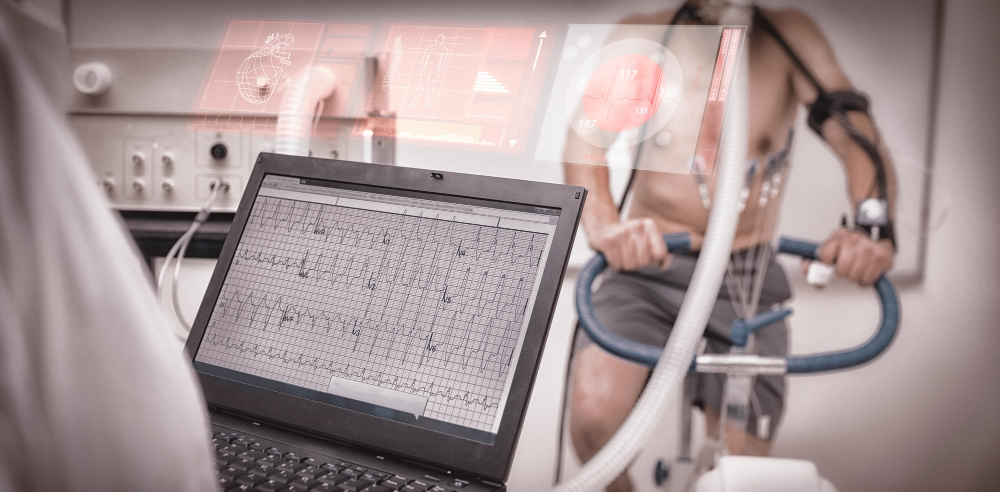
An echocardiogram is a non-invasive ultrasound test that creates real-time images of your heart. It shows the size, shape, and movement of the heart’s chambers and valves.
A baseline echocardiogram is simply your first test—taken before any symptoms appear, or at the start of cardiac care. It gives your care team a reference point. Future results are compared against it, so any changes over time become visible and measurable.
Echocardiograms are one of the most commonly used tools in cardiology because they provide detailed information without radiation or invasive procedures.
Understanding Your Ejection Fraction
Ejection fraction (EF) is one of the most important numbers your echocardiogram produces. It measures the percentage of blood your heart pumps out with each beat.
What Is a Normal Ejection Fraction?
The American Heart Association defines a normal ejection fraction as between 55% and 70%. This means your heart is pushing out more than half its blood volume with each contraction—enough to meet your body’s needs.
An EF in this range generally indicates that your heart muscle is functioning well.
What Does a Low Ejection Fraction Mean?
A low ejection fraction—typically below 40%—may signal heart failure with reduced ejection fraction (HFrEF). This condition means the heart is not pumping efficiently, and the body may not be receiving enough oxygenated blood.
Symptoms can include:
- Shortness of breath, especially during activity or when lying flat
- Persistent fatigue or weakness
- Swelling in the legs, ankles, or feet
- Irregular heartbeat
A low EF does not always mean an emergency. Many people live well with a reduced ejection fraction when it is identified early and managed properly. The key is knowing your numbers.
Why Getting a Baseline Echocardiogram Matters
Early detection changes outcomes. Without a baseline, it is difficult to know whether a change in your ejection fraction is new or longstanding.
This matters especially if you have risk factors such as high blood pressure, diabetes, a family history of heart disease, or you are beginning a medication known to affect the heart. According to Harvard Health, many cardiac conditions develop gradually—and a baseline echocardiogram gives your cardiologist the data needed to catch those changes early.
By establishing your echocardiogram baseline now, you create a personal reference point. Future tests are not just numbers in isolation—they tell a story about how your heart is doing over time.
When to See a Cardiologist
You do not need to wait for a crisis to speak with a cardiologist. Consider scheduling a consultation if you:
- Experience unexplained shortness of breath or chest discomfort
- Have been diagnosed with high blood pressure or a heart murmur
- Are over 60 and have not had a cardiac evaluation
- Have a family history of heart failure or sudden cardiac events
- Are starting chemotherapy or other medications that can affect heart function
If you are searching for a cardiology clinic in Brooklyn, look for one that offers echocardiography, personalized care planning, and access to a board-certified cardiologist who will take time to explain your results.
Your Heart Deserves Attention Now
Understanding your ejection fraction is not just a medical formality—it is one of the clearest ways to know how your heart is doing. A baseline echocardiogram gives you that knowledge.
You do not have to navigate this alone. Our cardiologist team is here to guide you through every step, from your first echocardiogram to ongoing cardiac monitoring. If you are ready to take charge of your heart health, reach out to us today by calling + 1-718-367-2555 or visiting us at 1797 Pitkin Avenue, Brooklyn, NY 11212 to schedule your baseline evaluation.