Patients who cannot perform a treadmill stress test have a safe alternative — a pharmacologic (chemical) stress test. A medication is used to mimic the effects of exercise on the heart, allowing cardiologists to evaluate heart function without physical exertion. Preparation differs from a standard stress test in a few important ways.
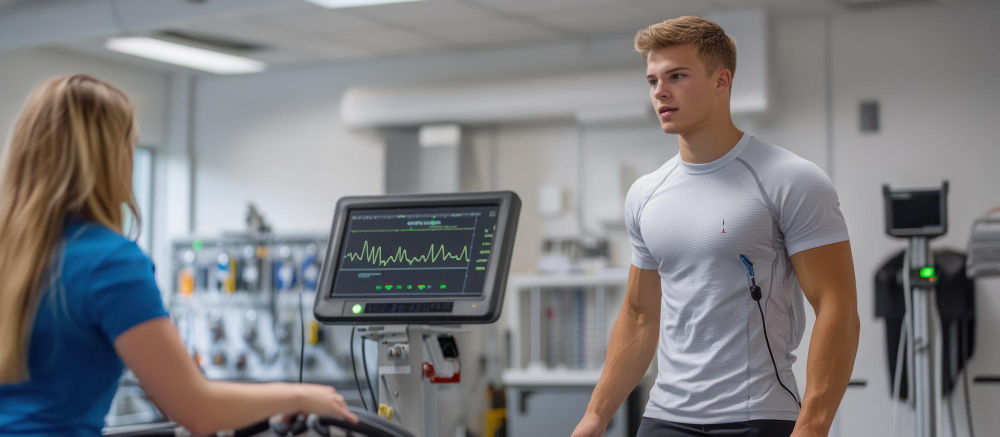
A cardiac stress test is one of the most reliable tools a cardiologist has for detecting coronary artery disease, abnormal heart rhythms, and reduced blood flow to the heart. Most people picture the treadmill version — walking at an increasing pace while connected to a heart monitor. But not everyone can do that.
Arthritis, a recent injury, severe shortness of breath, or another physical limitation may make exercise impossible. That does not mean the test cannot happen. A pharmacologic stress test offers a medically proven path forward, and knowing how to prepare for it can ease a great deal of worry before your appointment.
What Is a Pharmacologic Stress Test?
When physical exercise is not an option, cardiologists use medication to stress the heart instead. Drugs such as adenosine, regadenoson (Lexiscan), or dobutamine are administered intravenously. Each works differently, but the shared goal is to increase blood flow through the coronary arteries — or increase the heart’s workload — so that imaging can reveal how well the heart responds under pressure.
Two types of imaging are typically combined with this test:
- Nuclear imaging (myocardial perfusion imaging): A small amount of radioactive tracer is injected. A special camera captures how the tracer moves through the heart muscle, highlighting areas with poor blood flow.
- Stress echocardiography: Ultrasound images of the heart are taken before and after medication is given, showing how well the heart walls move and pump.
Your cardiologist will determine which combination is appropriate based on your medical history.
How to Prepare: Key Steps Before Your Appointment
Preparation for a pharmacologic stress test is different from a standard treadmill test. Follow these steps carefully — they directly affect the accuracy of your results.
- Avoid caffeine for at least 24 to 48 hours beforehand. Caffeine blocks the receptors that adenosine and regadenoson act on, which can interfere with the medication’s effectiveness and lead to inaccurate findings. This includes coffee, tea, energy drinks, chocolate, and certain medications.
- Ask your doctor about your current medications. Some heart medications — including certain beta-blockers and theophylline-containing drugs — may need to be paused before the test. Do not stop any medication without your doctor’s guidance.
- Do not eat for four to six hours before the test. A light meal may be permitted in some cases, but confirm this with your care team.
- Wear comfortable, loose-fitting clothing. You will have electrodes placed on your chest throughout the procedure.
- Arrange transportation. Some patients feel lightheaded or fatigued after the medication wears off. Having someone drive you home is a reasonable precaution.
What to Expect During the Test
The procedure itself typically takes one to three hours, depending on the imaging protocol used. An IV line will be placed in your arm. The medication is delivered slowly, and your heart rate, blood pressure, and electrocardiogram (EKG) are monitored throughout.
You may feel flushing, mild chest pressure, shortness of breath, or a brief headache — these are expected responses to the medication and usually pass within minutes. The medical team will be with you the entire time.
If nuclear imaging is part of your test, you may need to return for a second set of images at rest, either the same day or the following day.
What Happens After the Test?
Your cardiologist will review the images and report findings, typically within a few days. Results help determine whether follow-up care — such as medication adjustments, further imaging, or a procedure — is needed.
Staying well hydrated after the test helps your body clear the imaging tracer if nuclear imaging was used.
You Have Options — and Support
Not being able to walk the treadmill does not close the door on a thorough cardiac evaluation. Pharmacologic stress testing gives cardiologists at a cardiology clinic in Brooklyn the information they need to make confident, informed decisions about your heart health — without requiring you to do anything your body cannot safely handle.
Our cardiologist team is here to guide you through every step of the process, from pre-test preparation to understanding your results. If you have questions about a pharmacologic stress test or want to schedule an evaluation, reach out to us in Brooklyn today by calling + 1-718-367-2555 or visiting us at 1797 Pitkin Avenue, Brooklyn, NY 11212.