Living in for decades can suddenly feel confusing or downright dangerous. Dim lighting, slippery floors, and complex appliances easily trigger anxiety and physical harm. To protect their well-being and your own peace of mind, you must take a highly proactive approach.
Implementing a comprehensive dementia-friendly home safety checklist is the absolute best way to prevent accidents before they happen. A well-designed living space reduces confusion and actively promotes a sense of calm. In this guide, we will walk you through a clear, room-by-room breakdown to secure your home. By making these strategic physical changes and working closely with a qualified mental health specialist, you can create an environment that supports your loved one’s independence while strictly prioritizing their safety. Visit the best Mental Health Clinic in Brooklyn at Doral Health & Wellness, or log on to www.doralhw.org to know more.
Why You Need a Dementia-Friendly Home Safety Checklist
Dementia changes how the brain interprets visual information. Depth perception often declines, making dark rugs look like deep holes in the floor. Shadows can look like intruders. Because of these severe sensory shifts, you must adapt the environment to match their current reality.
While changing your home layout is crucial, you should never overlook medical guidance. A trusted mental health specialist can help you anticipate upcoming behavioral changes, allowing you to modify the house before new risks emerge. If you live in an urban area, seeking guidance from a reputable behavioral health clinic in Brooklyn provides you with local resources to make these physical and emotional transitions much smoother.
Room-by-Room Safety Modifications
Creating a secure home does not require a massive renovation. Small, intentional adjustments make an incredible difference in daily safety.
The Kitchen: Minimizing Hidden Risks
The kitchen holds numerous daily hazards, from sharp tools to hot stoves.
- Install safety knobs: Use covers on the stove to prevent accidental fires.
- Lock away hazards: Keep all cleaning supplies, sharp knives, and heavy pots in locked cabinets.
- Check food regularly: Remove expired food from the refrigerator frequently, as patients may lose their sense of taste or smell.
The Bathroom: Preventing Slips and Falls
Bathrooms present the highest risk for dangerous falls.
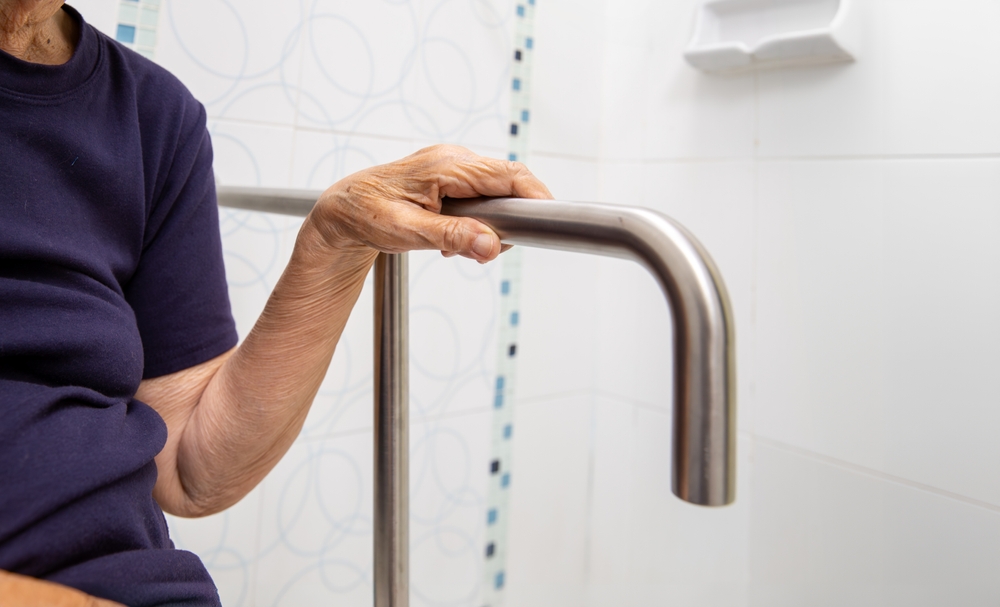
- Add grab bars: Install sturdy bars near the toilet and inside the shower.
- Use non-slip mats: Place high-quality, textured mats inside and right outside the tub.
- Lower the water temperature: Set your water heater below 120 degrees Fahrenheit to prevent severe accidental burns.
Living Areas and Bedrooms: Clearing the Path
Living spaces should promote easy, stress-free movement.
- Improve the lighting: Add bright, glare-free lamps to dark hallways and reading corners.
- Remove tripping hazards: Take away all loose throw rugs and secure electrical cords against the wall.
- Create clear contrasts: Use bed sheets and furniture covers that stand out from the floor color, making it easier for them to navigate the room.
The Importance of Ongoing Professional Care
Securing your home provides immediate physical safety, but cognitive decline requires ongoing emotional and medical support. Partnering with a dedicated behavioral health clinic in Brooklyn ensures you have a reliable team to lean on. A mental health specialist can review your safety measures and offer specialized coping strategies for both you and your loved one as the condition progresses.
Conclusion
Adapting your home takes time and patience, but the peace of mind it brings is worth every effort. By following this dementia-friendly home safety checklist, you actively reduce daily hazards and help your loved one navigate their world with dignity. You do not have to carry this caregiving burden entirely alone.
Are you looking for expert guidance to support your family through this journey? Reach out to our specialist today to schedule a consultation with our neurology department, or for further inquiries, call us at +1-718-367-2555 to get a consultation. Or log on to www.doralw.org. Visit us at 1797 Pitkin Avenue, Brooklyn, NY 11212. If you need help, register your information and make direct contact with us at https://yuz88hfiyh7.typeform.com/Doralintake.