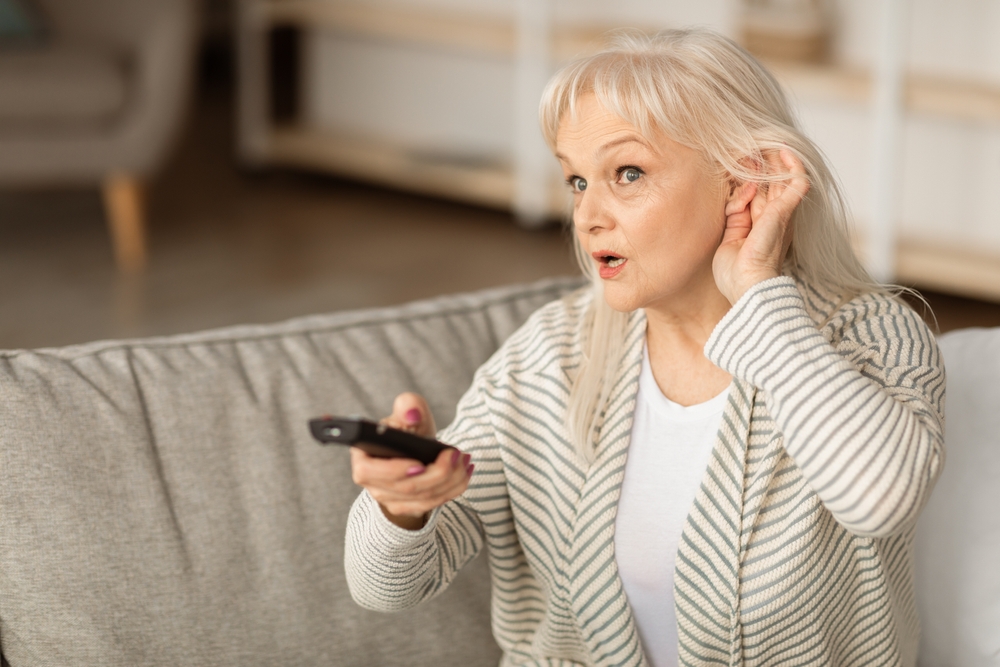
Have you ever noticed yourself struggling to follow a conversation in a crowded room? While many people dismiss this as a normal part of getting older, ignoring it might actually endanger your brain. Recent medical studies reveal a startling truth about cognitive decline. Understanding the direct connection between hearing loss and dementia risk can completely change how you approach your long-term health.
When your ears struggle to process sound, your brain works overtime. This leaves much less energy for memory and active thinking. Fortunately, you have the power to protect your mind before permanent damage occurs. Let us explore the science behind this critical link and discover actionable steps you can take to maintain your cognitive wellness. Visit the best Mental Health Clinic in Brooklyn at Doral Health & Wellness, or log on to www.doralhw.org to know more.
Unpacking the Connection Between Hearing Loss and Dementia Risk
Hearing loss does not just affect your ears. It physically changes how your entire brain functions. Researchers have found that even mild auditory impairment doubles your risk of developing severe cognitive decline.
Cognitive Load and Brain Atrophy
When you cannot hear well, your brain constantly strains to decode muffled sounds. Medical professionals call this excessive effort cognitive load. Because your brain uses so much energy simply trying to understand speech, it steals vital resources away from memory storage and fast mental processing. Over time, parts of the brain that handle sound can actually shrink from a lack of clear stimulation.
Furthermore, struggling to communicate often leads to severe social isolation. People who cannot hear clearly tend to avoid family gatherings and public events. Staying isolated actively speeds up mental decline, as the brain loses the daily workout that regular conversation provides.
Protecting Your Cognitive Health Early
You do not have to accept memory loss as an inevitable part of aging. Addressing your auditory issues early provides a powerful defense against mental decline. Using modern hearing aids successfully restores clear sound input. This immediately reduces the daily strain on your brain.
Building Your Support System
Sometimes, adapting to these physical changes requires strong emotional support. Experiencing sudden hearing loss often triggers anxiety and depression. This is exactly where a dedicated mental health specialist becomes invaluable. A trusted mental health specialist helps you process these difficult emotions and teaches you healthy, practical coping strategies.
If you notice sudden changes in your mood or your memory, seeking professional help is crucial. Visiting a comprehensive behavioral health clinic in Brooklyn gives you direct access to top medical experts. They can accurately assess your cognitive function and create a personalized care plan tailored to your specific lifestyle.
Practical Habits to Support Your Brain
Protecting your mind requires a daily, proactive approach. Follow these simple steps to maintain your cognitive and auditory health:
- Get regular screenings: Test your hearing every single year, especially if you are over the age of fifty.
- Wear your hearing aids: If a doctor prescribes them, use them consistently to keep your neural pathways actively engaged.
- Stay socially active: Force yourself to attend social events, even if you feel slightly hesitant. Continued interaction builds a highly resilient brain.
- Seek ongoing care: Do not hesitate to visit a local behavioral health clinic in Brooklyn for cognitive exercises and regular mental wellness check-ins.
Conclusion
Taking care of your hearing is one of the most effective ways to protect your long-term memory. By recognizing the serious connection between hearing loss and dementia risk, you empower yourself to make smarter health decisions today. Do not let untreated auditory issues steal your vibrant future and your independence.
Are you ready to prioritize your cognitive wellness and secure your peace of mind? Reach out to our specialist today to schedule a consultation with our neurology department, or for further inquiries, call us at +1-718-367-2555 to get a consultation. Or log on to www.doralw.org. Visit us at 1797 Pitkin Avenue, Brooklyn, NY 11212. If you need help, register your information and make direct contact with us at https://yuz88hfiyh7.typeform.com/Doralintake.