Watching a loved one lose their ability to find the right words can be heartbreaking. As memory loss progresses, traditional conversations become difficult, leaving families feeling disconnected. But the end of spoken words does not mean the end of connection. Mastering non-verbal communication in dementia care opens new pathways to understand and comfort your loved one.
When verbal skills fade, people rely heavily on visual cues, touch, and tone of voice to express their needs and emotions. Recognizing these silent signals is crucial. Whether you are a family caregiver or seeking guidance from a mental health specialist, learning to communicate without words reduces frustration and builds trust. In this guide, we will explore practical ways to foster meaningful interactions through body language, facial expressions, and physical presence. Visit the best Mental Health Clinic in Brooklyn at Doral Health & Wellness, or log on to www.doralhw.org to know more.
Why Non-Verbal Communication in Dementia Care Matters
People experiencing cognitive decline often retain their emotional awareness long after their vocabulary diminishes. They can sense frustration, sadness, or warmth in the people around them.
The Power of Body Language
Your posture and movements speak volumes. If you approach someone with crossed arms or a tense jaw, they may feel threatened or anxious. Approaching them with a relaxed posture signals safety. A top mental health clinic in Brooklyn often emphasizes that a calm environment starts with the caregiver’s physical presence. When you manage your own stress, your loved one mirrors that calm energy.
Essential Strategies for Silent Communication
Learning to adapt your approach takes time and practice. Consulting a mental health specialist can provide personalized strategies, but you can start with these foundational techniques:
- Maintain gentle eye contact: Drop down to their eye level to show you are fully present.
- Keep facial expressions positive: A warm, genuine smile is universally understood and instantly comforting.
- Use visual cues: Point to objects or demonstrate actions instead of just talking about them.
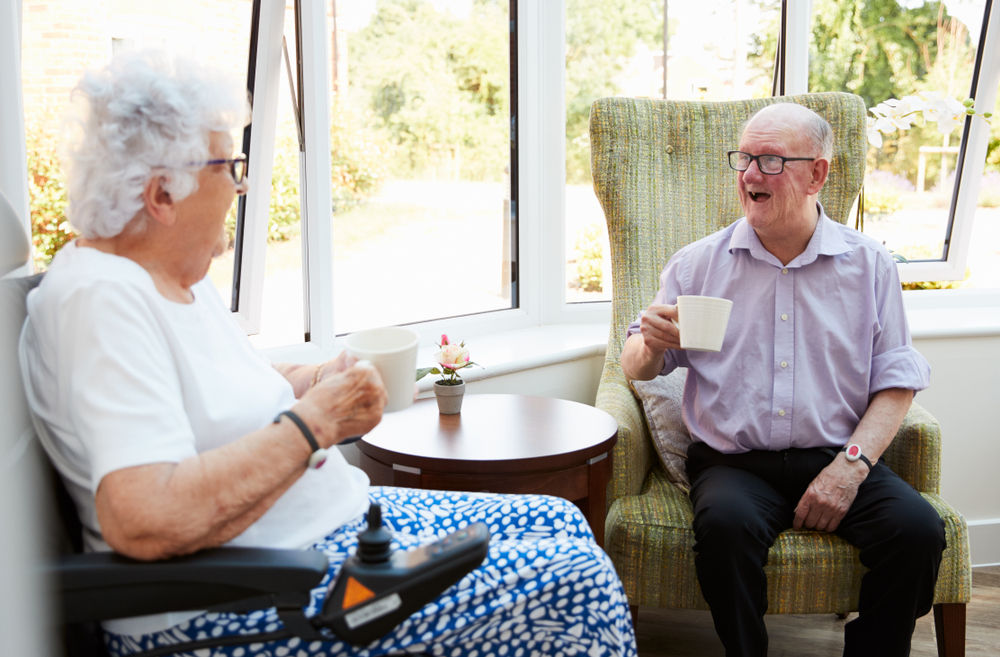
- Speak through touch: A soft hand on the shoulder or holding hands provides reassurance when words fail.
Setting the Right Environment
Background noise can be incredibly distracting for someone with memory loss. Before you try to connect, turn off the television and reduce loud noises. A quiet space helps them focus entirely on your physical cues.
Pacing and Patience
Avoid rushing. Move slowly and give your loved one plenty of time to process your gestures. Sudden movements can cause alarm. If they look confused, do not force the interaction. Step back, wait a few moments, and try again gently.
When to Seek Professional Support
Caregiving is demanding, and you do not have to navigate it alone. If you find it increasingly difficult to understand your loved one’s behavioral changes, it might be time to get outside help. Reaching out to a mental health clinic in Brooklyn can connect you with support groups and therapies designed for memory care. A qualified mental health specialist can assess your specific situation, offering coping mechanisms that protect both the patient and the caregiver.
Conclusion
Losing verbal abilities is challenging, but love and empathy do not require words. By embracing non-verbal communication in dementia care, you can maintain a strong, comforting bond with your loved one. Pay attention to your body language, use gentle touch, and practice patience. If you need more guidance or feel overwhelmed, reach out to our specialist today to schedule a consultation with our neurology department, or for further inquiries, call us at +1-718-367-2555 to get a consultation. Or log on to www.doralw.org. Visit us at 1797 Pitkin Avenue, Brooklyn, NY 11212. If you need help, register your information and make direct contact with us at https://yuz88hfiyh7.typeform.com/Doralintake.