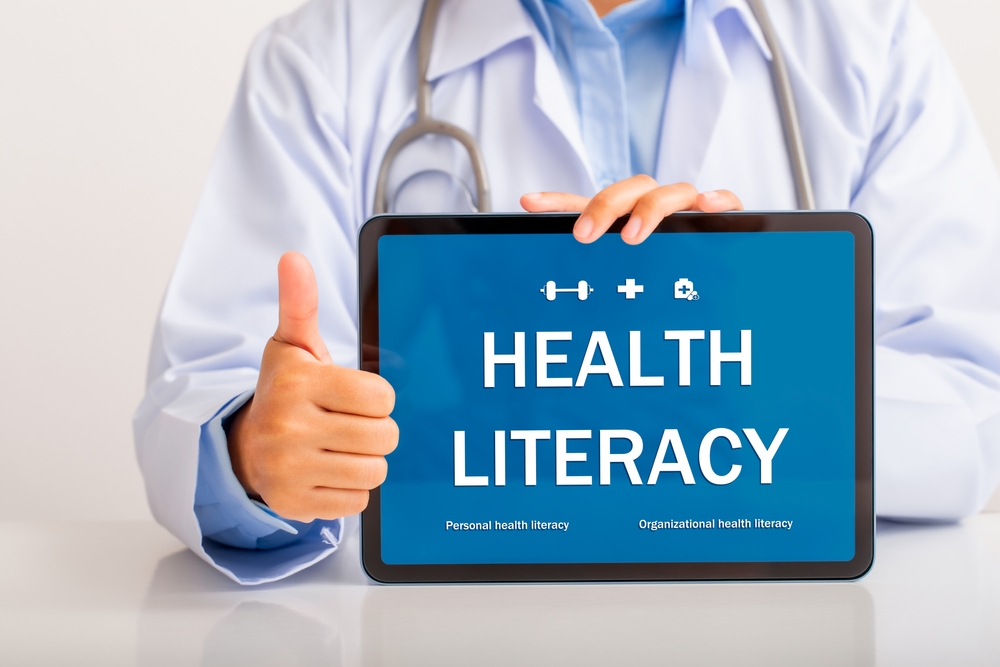
Health Literacy Month: October 2025
Health literacy is the foundation of patient engagement and positive health outcomes. When patients can find, understand, and use health information, they are better equipped to manage their care. Yet, a significant gap exists. Many patients struggle to navigate complex medical jargon and instructions. This guide explores how healthcare providers can educate for health literacy, offering practical tools and strategies. By focusing on clear communication and organizational change, providers can empower patients, improve adherence to treatment plans, and foster a more equitable healthcare system. These tools and strategies for health literacy are essential for modern care delivery. Visit the best Holistic Health Clinic in Brooklyn at Doral Health & Wellness, or log on to www.doralhw.org.
Understanding the Landscape of Health Literacy
Health literacy goes beyond a patient’s reading ability. It involves their capacity to comprehend verbal instructions, navigate healthcare systems, and make informed decisions. Low health literacy is linked to poorer health outcomes, increased hospitalization, and higher healthcare costs. For providers, addressing this issue starts with recognizing its scope and committing to an organizational approach. This means embedding clear communication practices into every patient interaction, from the front desk to the exam room.
The Role of Organizational Health Literacy
An organization committed to health literacy makes it easier for everyone to navigate, understand, and use health information. This is a system-wide effort, not just the responsibility of individual clinicians.
Key components include:
- Easy-to-navigate facilities: Clear signage and a welcoming environment reduce patient anxiety and confusion.
- Simplified forms and paperwork: Redesigning administrative documents to be straightforward to complete.
- Training for all staff: Everyone, including administrative and clinical staff, should be trained in clear communication techniques.
- Patient feedback loops: Actively seeking patient input on the clarity of communication and educational materials.
By adopting these practices, healthcare organizations can create a supportive environment that promotes understanding and boosts patient confidence.
Essential Tools and Strategies for Health Literacy
Improving patient understanding requires a proactive and multi-faceted approach. To effectively educate for health literacy, providers can integrate several key methods into their daily practice. These strategies ensure that information is not just delivered but truly understood.
Adopt the Teach-Back Method
The teach-back method is a simple yet powerful tool. After explaining a concept, such as a new medication or a self-care instruction, ask the patient to explain it back in their own words. This is not a test of the patient’s memory, but a check on how well you explained the information.
For example, instead of asking, “Do you have any questions?” try, “I want to be sure I explained everything clearly. Can you tell me in your own words how you will take this medication?” This approach encourages dialogue and clarifies misunderstandings immediately, enhancing overall health awareness.
Use Plain Language and Simple Visuals
Medical terminology can be a major barrier. Providers should consciously avoid jargon and use plain, everyday language.
- Words: Swap complex terms for simpler ones (e.g., “high blood pressure” instead of “hypertension”).
- Sentences: Keep sentences short and to the point.
- Visuals: Use diagrams, models, and simple charts to explain complex ideas. Visual aids can significantly improve retention, especially for patients with lower literacy levels or who are visual learners.
A well-designed health awareness program within a clinic can leverage these principles across all patient-facing materials.
Embrace Cultural Competency
Health and culture are deeply intertwined. A patient’s cultural background can influence their beliefs about health, their communication style, and their willingness to follow medical advice. Culturally competent care involves recognizing and respecting these differences.
Key practices include:
- Using professional interpreters: Avoid using family members as interpreters, as they may filter information or lack medical knowledge.
- Understanding diverse perspectives: Learn about the cultural health beliefs prevalent in your patient community.
- Checking for understanding: Be aware that a nod or “yes” may not always signify comprehension but rather cultural politeness.
Integrating cultural competency into your practice builds trust and ensures your educational efforts are received as intended.
Creating an Effective Health Awareness Program
A structured health awareness program can formalize an organization’s commitment to patient education. Such a program moves beyond individual efforts to create a consistent, clinic-wide strategy. It ensures that all patients receive high-quality, understandable information at every touchpoint. This organized approach to patient education is a powerful strategy for improving community health outcomes.
The program should focus on developing and distributing materials that are accurate, accessible, and actionable. This includes everything from brochures and website content to videos and workshop materials. By standardizing the creation and review process, you ensure all patient education aligns with health literacy best practices.
A Commitment to Clarity
Bridging the health literacy gap is a crucial responsibility for all healthcare providers. By implementing practical tools and strategies for health literacy, organizations can create a more inclusive and effective care environment. Focusing on organizational change, embracing the teach-back method, using plain language, and practicing cultural competency are actionable steps that yield significant results. Ultimately, a commitment to clear communication empowers patients, strengthens the provider-patient relationship, and leads to a healthier community. If you need help, register your information and make direct contact with our doctors at https://yuz88hfiyh7.typeform.com/Doralintake. For further inquiries, call us on +1- 718-367-2555 to get a consultation or visit us at 1797 Pitkin Avenue, Brooklyn, NY 11212.