Your kidneys do their work quietly, so trouble can build for years before you notice. Then one day, dull back pain, rising blood pressure, or blood in your urine makes you stop and wonder what is wrong. That worry is real, and you deserve clear answers. Polycystic kidney disease, or PKD, is an inherited condition where fluid-filled cysts grow in your kidneys and slowly impair how they work. The reassuring news is simple. When you learn the PKD symptoms to watch for and follow a few early detection tips, you can catch the disease sooner and protect your kidney health. This guide walks you through the warning signs you should never ignore and the steps that put you back in control.
If you have a family history of kidney disease or symptoms that worry you, you do not have to face it alone. Doral Health & Wellness Nephrology offers caring, specialist-led kidney care right in your neighborhood. Our team helps you understand your risk, monitor your kidneys, and build a plan that fits your life. Reach out today to take the first step toward stronger kidney health.
What is PKD and Why Early Detection Matters
PKD rarely announces itself. The cysts often grow slowly, and many people feel fine for years while damage quietly builds. Understanding the disease helps you act before it advances.
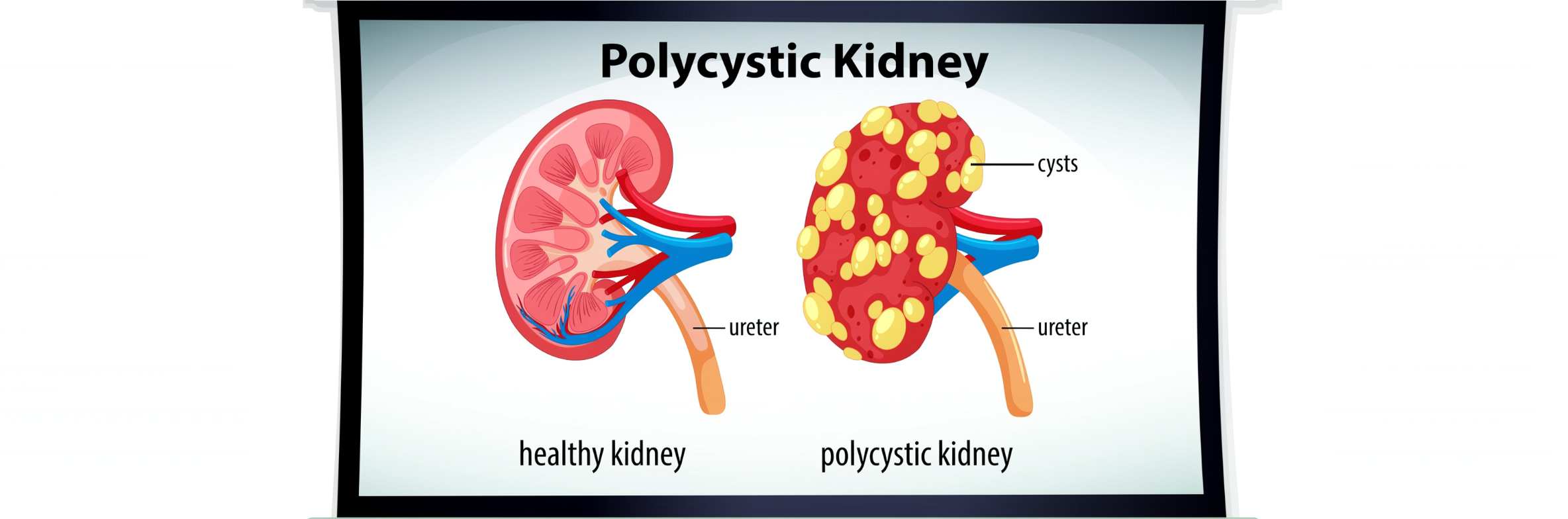
PKD is a genetic condition marked by clusters of fluid-filled cysts in the kidneys. These cysts can enlarge over time and impair kidney function, sometimes leading to kidney failure. The most common form, autosomal dominant PKD, often runs in families.
Here is the comforting truth. Early detection cannot erase the genes you inherited, but it can slow the damage and protect your quality of life. The sooner you know, the sooner you can act.
Why the Timing of Diagnosis Counts
Catching PKD early gives you more options. It opens the door to treatments and habits that protect your kidneys for longer.
- More treatment time – Early care lets your provider manage blood pressure and slow cyst growth.
- Fewer surprises – Knowing your status helps you plan instead of reacting to a crisis.
- Family awareness – A diagnosis can prompt relatives to get checked too.
If kidney disease runs in your family, take a breath. A search for a “kidney clinic near me” is a smart first step toward clear answers.
PKD Symptoms You Should Never Ignore
The hardest part of PKD is how silent it can be. By the time symptoms appear, cysts may already be affecting your kidneys. That is why knowing the warning signs matters so much.
Most people with ADPKD develop pain, high blood pressure, and eventually kidney failure at some point in their lives. Spotting these signs early gives you a real advantage.
Warning Signs to Watch For
Pay attention to these common PKD symptoms:
- High blood pressure – Often one of the earliest signs, and a key reason to monitor your numbers.
- Belly, side, or back pain – Discomfort that lingers as cysts enlarge and press on nearby organs.
- Blood in the urine – Pink or red urine that needs prompt evaluation.
- A feeling of fullness – A sense of pressure or swelling in your abdomen.
- Increased kidney size – Enlarged kidneys your provider may detect on an exam or scan.
If these sound familiar, do not panic. PKD is manageable, especially when caught early. A nephrologist can confirm what is happening and guide your next steps.
When a Symptom Becomes Urgent
Some signs call for prompt attention rather than watchful waiting. Trust your instincts when something feels off.
- Severe or sudden pain – Intense pain in your side or back deserves quick evaluation.
- Visible blood in urine – This warrants a call to your provider right away.
- Blood pressure that stays high – Persistent high readings need professional care.
A specialist in Brooklyn nephrology can examine your kidneys and explain what each symptom means for you.
Early Detection Tips That Protect Your Kidneys
You have more control than you might think. Even with an inherited condition, your daily choices and screening habits shape how the disease unfolds. A few early detection tips make a genuine difference.
The goal is simple. You want to catch problems early and give your kidneys steady support along the way.
Know Your Risk and Get Screened
Family history is one of your strongest clues. If a parent or sibling has PKD, your risk rises, and screening becomes especially important.
- Share your family history – Tell your provider about any relatives with kidney disease.
- Ask about imaging – Ultrasound, CT, or MRI scans can reveal cysts before symptoms appear.
- Consider genetic counseling – This can clarify your risk and guide testing decisions.
- Schedule regular checkups – Routine visits help catch changes early.
Build Kidney-Friendly Habits
Daily care supports your kidneys between visits. Small, steady changes add up over time.
- Monitor your blood pressure – Keeping it in a healthy range protects your kidneys directly.
- Stay hydrated – Drinking enough water supports overall kidney function.
- Eat with care – A lower-salt, balanced diet eases the strain on your kidneys.
- Stay active – Regular movement helps manage blood pressure and weight.
- Limit alcohol and avoid smoking – Both protect your kidneys and your whole body.
If you notice symptoms despite healthy habits, a search for a nephrologist near me connects you with expert guidance close to home.
When to See a Specialist
Most people wait too long to seek help for kidney concerns. You should never brush off symptoms that keep returning or a family history that worries you. Early care protects both your kidneys and your peace of mind.
A nephrologist looks beyond the surface. They confirm your diagnosis, monitor your kidney function, and build a plan to slow the disease and manage symptoms.
Consider booking a visit if you notice:
- Persistent high blood pressure – Readings that stay elevated despite lifestyle changes.
- Ongoing pain – Discomfort in your side, back, or belly that will not settle.
- Blood in your urine – A sign that always deserves prompt evaluation.
- A strong family history – Close relatives diagnosed with PKD or kidney failure.
Finding care is easier than you think. A search for a nephrologist in NY connects you with experienced doctors, and a referral from your primary provider can speed things along. For ongoing, personal support, asking about Brooklyn nephrology options keeps your follow-up care convenient and close to home.
Take the Next Step Toward Stronger Kidney Health
PKD can feel frightening, but knowledge puts you back in charge. By learning the PKD symptoms you should never ignore and following a few steady early detection tips, you can catch problems sooner and protect your kidneys for years to come. Early answers and expert care make all the difference, and you are never alone in this. The caring team at Doral Health & Wellness is ready to listen to your concerns, examine your kidneys, and walk beside you every step of the way. Whether you need a clear diagnosis or ongoing specialist support, expert help is close by.
To get started, contact Doral Health & Wellness today at 1-718-365-2555 or visit us at 1797 Pitkin Avenue, Brooklyn, New York 11212. For general information about Doral Health & Wellness services, you can contact or email info@doralhw.org.