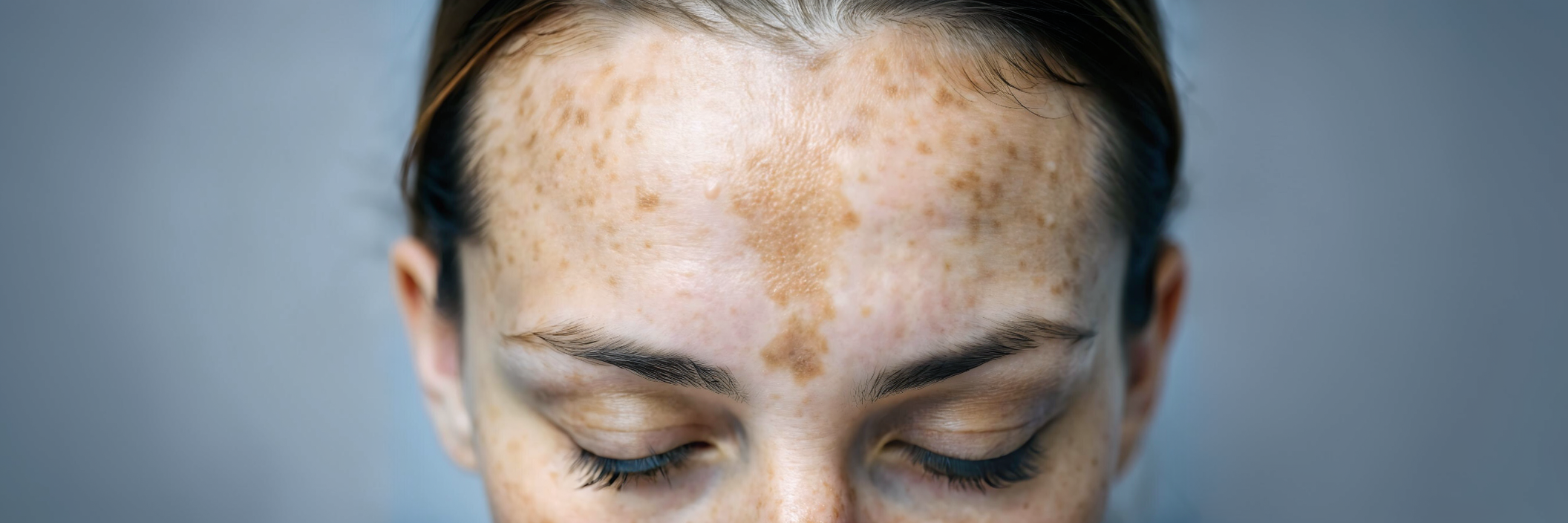
Living with brown or gray patches on your cheeks, forehead, or upper lip can chip away at your confidence day after day. You may hide them under makeup, avoid photos, or feel discouraged when nothing seems to work. Those patches are melasma, a common form of facial hyperpigmentation that leaves many people with an uneven skin tone. The good news is that real relief is possible. With the right skin brightening tips, a smart melasma skincare routine, and expert care, you can fade discoloration and feel good in your skin again. In this guide, you will learn how to treat melasma on the face, which melasma remedies help, and when to seek professional skin discoloration treatment for lasting results.
If you have been searching for a skin specialist in NY or a trusted dermatologist near me, you do not have to face these patches alone. Doral Health & Wellness Dermatology offers compassionate dermatology care delivered with patience and respect. Our team explains your options in plain language and builds a plan that fits your life. Reach out today to start your care with people who truly listen.
What is Melasma on the Face?
Seeing patches that come and go can leave you frustrated and unsure. You may wonder why they appeared or whether they will ever fade. Understanding melasma replaces that guesswork with clarity.
Melasma happens when pigment-making cells produce too much melanin, creating flat, blotchy patches. Melasma appears as brown or blue-gray patches or freckle-like spots, and it is often called the “mask of pregnancy.”
Here is what makes melasma on the face distinct:
- It favors sun-exposed areas – Cheeks, forehead, nose, and upper lip are common spots.
- It links to hormones – Pregnancy, birth control, and hormone therapy can all trigger it.
- It tends to return – Melasma is stubborn, so steady care matters more than quick fixes.
Melasma is a signal, not a flaw. Knowing what it is puts effective care within your reach.
Everyday Skin Brightening Tips
Small daily choices carry more power than you might think. You may feel like nothing helps, but consistency is what fades facial hyperpigmentation over time. These habits build the foundation for a brighter complexion.
Start with the steps that protect your progress:
- Wear sunscreen daily – Choose broad-spectrum SPF 30 to 50 with iron oxides, rain or shine.
- Seek shade – Stay out of direct sun between 10 a.m. and 4 p.m.
- Add antioxidants – A vitamin C serum helps guard against daily sun stress.
- Treat skin gently – Harsh scrubs and products can worsen discoloration.
Why Sun Protection Comes First
Sunlight deepens melasma and undoes your hard work. Even short daily exposure through windows or on cloudy days can keep patches coming back. That is why every plan for how to treat melasma begins with steady protection. A Brooklyn dermatologistcan help you choose a sunscreen that fits your skin and routine.
How to Treat Melasma: Your Options Explained
Patches that linger despite your best efforts can wear down your confidence. The reassuring truth is that effective skin discoloration treatment exists. Care usually starts gently and builds only as needed.
Treatment works best when you combine approaches. Sun protection, topical medications, and cosmetic procedures are often combined to achieve the best results.
Topical Melasma Cream
For many people, a prescription melasma cream does the heavy lifting. Prescription bleaching creams like hydroquinone, used alone or with retinoids and a mild steroid, can gradually fade pigment over several months.
- Hydroquinone – A lightening agent that reduces excess pigment over time.
- Retinoids – Speed up cell turnover to reveal fresher, more even skin.
- Combination formulas – A dermatologist may pair ingredients for stubborn patches.
In-Office Procedures
When creams are not enough, a dermatology clinic near me can offer added support. Options like gentle chemical peels or laser therapy may help fade facial hyperpigmentation. Melasma needs a careful hand, though, since aggressive treatment can darken patches. This is exactly why professional guidance matters. A team offering hyperpigmentation treatment near me can choose the safest path for your skin.
Gentle Melasma Remedies
For milder cases, supportive melasma remedies can soften discoloration alongside medical care.
- Niacinamide – A well-tolerated ingredient that helps even skin tone.
- Azelaic acid – Fades pigment gently, often safe during pregnancy.
- Consistent hydration – Healthy, calm skin responds better to treatment.
Patience is key, since results build over weeks. A caring skin care clinic NY residents trust can help you set realistic expectations.
Building a Melasma Skincare Routine
A cluttered shelf of products can feel overwhelming. You may not know what to use or in what order. A simple, steady routine brings structure and results.
Sun protection can help fade melasma and prevent it from returning, making it the anchor of any routine.
Here is a straightforward daily approach:
- Morning – Cleanse gently, apply your treatment serum, then finish with sunscreen.
- Evening – Cleanse, apply your prescribed melasma cream or retinoid, then moisturize.
- Weekly – Skip harsh exfoliants that could irritate skin and worsen patches.
Common Mistakes to Avoid
Even good intentions can backfire. Watch out for these missteps:
- Skipping sunscreen – The fastest way to undo your progress.
- Overtreating – Layering too many actives can inflame skin and deepen discoloration.
- Quitting early – Melasma fades slowly, so consistency protects your results.
Steady, gentle care wins over quick fixes. A dermatologist for melasma can fine-tune your routine so nothing works against you.
When to See a Dermatologist for Melasma
Trying to manage stubborn patches alone can feel discouraging. You may cycle through products without lasting change. That is exactly when professional support makes the difference.
A caring provider can turn frustration into a clear plan. Consider reaching out if you notice any of these signs:
- Spreading patches – Discoloration that grows or darkens over time.
- No improvement – Weeks of effort with little change.
- Hormonal triggers – Melasma tied to pregnancy or medication.
- A desire for options – Interest in prescription or in-office care.
If you have been searching for melasma treatment near me or a welcoming clinic offering cosmetic dermatology Brooklynresidents recommend, early help brings real peace of mind. A trusted skin specialist in NY can shape care around your goals.
You are never alone in caring for your skin. With the right team beside you, a brighter complexion feels within reach.
Take the Next Step Toward Brighter Skin
Living with melasma is frustrating, but understanding it makes the path forward clear. You now know what melasma on the face is, the everyday skin brightening tips that protect your progress, how to treat melasma with creams and procedures, the melasma remedies that support your skin, and how to build a melasma skincare routine that lasts. Each of these steps gives you real power over your uneven skin tone and your confidence. The right care team turns worry into a plan you can trust. If you have been searching for a caring dermatologist near me or a dependable dermatology clinic near me, compassionate help is closer than you think. Our experienced team is ready to guide you through treatment, prevention, and everyday care with patience and genuine support every step of the way.
To begin your care with people who put your health first, contact Doral Health & Wellness today at 1-718-365-2555 or visit us at 1797 Pitkin Avenue, Brooklyn, New York 11212. For general information about Doral Health & Wellness services, you can contact or email info@doralhw.org.