High cholesterol can feel overwhelming. You want to protect your heart, but the choices are confusing. Should you take a natural supplement like red yeast rice, or trust a prescription statin? Many people ask us this exact question.
The difference between red yeast rice and statins is smaller than most people think. Both can lower cholesterol, but they come with different risks, side effects, and levels of evidence. Understanding how they compare helps you make a safer, smarter choice for your health.
This post breaks it down in plain terms. You will learn how each option works, how their side effects match up, why both can lower CoQ10, and what cardiologists recommend for managing cholesterol.
What Is the Difference Between Red Yeast Rice and Statins?
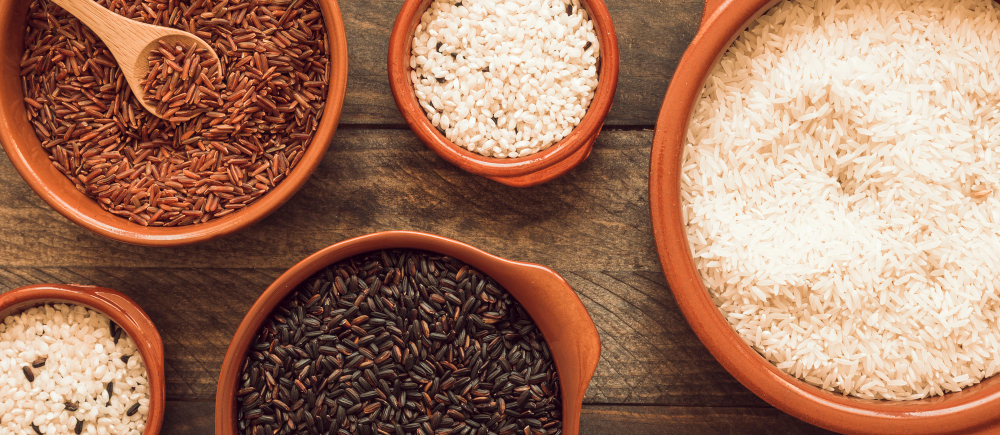
Red yeast rice is a fermented rice product. It naturally contains a compound called monacolin K, which is chemically identical to lovastatin, a prescription statin. In other words, red yeast rice is a low, unregulated dose of a statin drug.
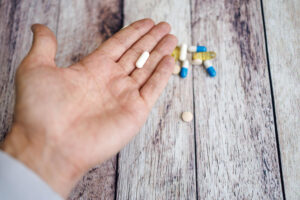
Statins are prescription medications designed to lower LDL, or “bad,” cholesterol. Doctors control the dose, monitor your progress, and adjust your plan over time.
The key difference is consistency. Statins are tested and standardized. Red yeast rice supplements vary widely in strength, and some contain almost no active ingredient at all.
Side Effects: How Do They Compare?
Both options can cause similar side effects, since they work in similar ways. Knowing what to watch for keeps you safe.
Side Effects of Statins
Statins are well studied, so their risks are clear.
- Muscle aches: The most common complaint, usually mild.
- Liver enzyme changes: Rare, and monitored through routine blood tests.
- Digestive upset: Occasional nausea or stomach discomfort.
Most people tolerate statins well, and your doctor can adjust the dose if problems arise.
Side Effects of Red Yeast Rice
Red yeast rice can cause the same muscle and liver effects because it contains a statin compound. The bigger concern is the lack of regulation.
- Inconsistent dosing: You may get too much or too little active ingredient.
- Contamination risk: Some products contain citrinin, a substance that can harm the kidneys.
- Hidden strength: A “natural” label does not mean a safe or predictable dose.
CoQ10 Depletion: What Both Have in Common
Here is something many people miss. Both statins and red yeast rice can lower your body’s level of CoQ10.
CoQ10 is a nutrient your cells use to make energy. When it drops, some people notice muscle fatigue or weakness. Because red yeast rice works like a statin, CoQ10 depletion happens with both.
The good news is that this effect can be managed. A CoQ10 supplement may help, and a professional can tell you if it is right for you.
What Cardiologists Recommend for Managing Cholesterol
Cardiologists generally favor statins over red yeast rice. The reason is trust. Prescription statins are tested, dosed, and monitored, so you know exactly what you are taking.
Most experts advise against relying on red yeast rice as a substitute for prescribed medication. If your LDL is high, a proven treatment plan matters more than a natural label.
Diet, exercise, and sleep still form the foundation of heart health. A nutritionist can help you combine these habits with the right treatment for your body.
Take the First Step Toward a Healthier Heart
Managing cholesterol does not have to be confusing. You deserve a plan built around your body, your labs, and your goals.
A nutritional consultant can review your diet, your supplements, and your medications to find what truly works for you. You do not have to sort through the noise alone.
Reach out to our nutritional expert today by calling +1-718-367-2555 or visiting us at 1797 Pitkin Avenue, Brooklyn, NY 1121 to book your consultation. Our team is ready to help you protect your heart for years to come.