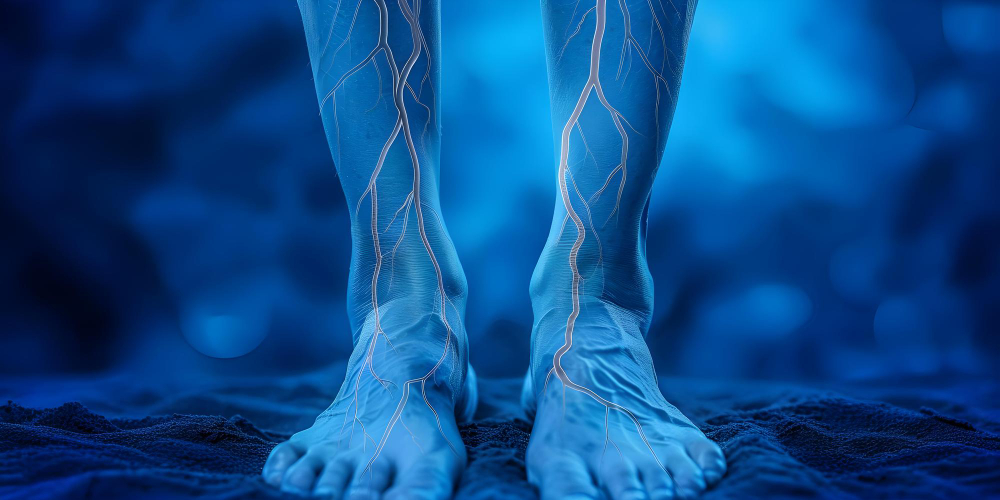
Those bulging, twisted veins on your legs can feel like a simple cosmetic worry. Many people assume varicose veins are just a matter of appearance. For a lot of families, that assumption holds true.
But not always.
Sometimes varicose veins are a warning sign of something deeper happening inside your body. In certain cases, they point to Chronic Venous Disease or raise your risk of a dangerous condition called Deep Vein Thrombosis (DVT). Understanding the difference matters, because early attention can protect you or your loved one from a serious health event. This guide explains what your veins may be telling you, and what steps you can take to stay safe.
What Varicose Veins Really Mean
Varicose veins form when the small valves inside your veins weaken. Blood pools instead of flowing back to your heart. Over time, the veins swell and twist near the skin’s surface.
Most cases are harmless. Still, they can signal that your vein system is under strain. If you notice aching, heaviness, or swelling that worsens by day’s end, your body may be asking for help. Keeping up with regular checkups through your primary care team is a simple first step toward catching problems early.
Signs Worth Watching
Pay attention if you or your loved one notices:
- Leg swelling that lingers. Ongoing puffiness, especially in one leg, deserves attention.
- Skin changes. Darkening, hardening, or open sores near the ankle can point to Chronic Venous Disease.
- Warmth or tenderness. A warm, painful spot along a vein may signal a clot forming.
- Sudden pain or redness. These can be early warnings of Deep Vein Thrombosis and need prompt care.
The Connection to Deep Vein Thrombosis
Deep Vein Thrombosis happens when a blood clot forms in a deep vein, usually in the leg. It is serious because a piece of the clot can travel to the lungs. That complication, called pulmonary embolism, can be life-threatening.
Varicose veins alone do not cause most clots. But when varicose veins appear alongside poor circulation and prolonged inactivity, your DVT risk climbs. Knowing the warning signs of blood clots helps you act quickly and calmly.
Here is the reassuring part. When caught early, both varicose veins and clot risks are highly treatable.
When to See a Specialist
Many people wonder when their veins cross from cosmetic to medical. The answer is simple: when symptoms interfere with daily life, or when warning signs appear, it is time for expert guidance.
A varicose vein surgeon can evaluate your veins with a painless ultrasound. From there, a vascular surgery doctor can recommend a plan that fits your needs. Treatment options range from lifestyle changes and compression stockings to minimally invasive procedures.
For homebound patients or those recovering from surgery, our in-home care services bring skilled monitoring directly to you. A visiting nurse can track swelling, manage medications, and coordinate follow-ups with your vascular surgery doctor. That means fewer trips out and more peace of mind for the whole family.
Take Charge of Your Vascular Health
Your legs work hard for you every day. When they signal distress, listening early can make all the difference.
Whether you are managing mild varicose veins or worried about Deep Vein Thrombosis, you do not have to figure it out alone. Our compassionate team, along with a trusted varicose veins surgeon, can help you build a plan that protects your comfort and safety. Reach out today by calling 1-347-384-5690 or visiting us at 1797 Pitkin Avenue, Brooklyn, New York 11212 to schedule a consultation and take the next step toward stronger Vascular Health.