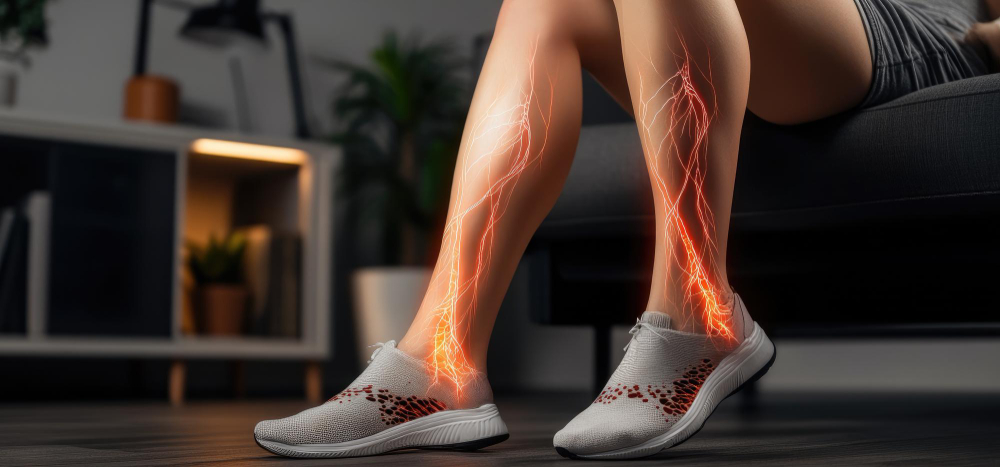
You beat the blood clot. That was the emergency, the frightening part, the moment everyone rallied around you. But weeks or months later, your leg still aches, swells, and feels heavy by afternoon. This is the part no one warned you about.
For many people, surviving Deep Vein Thrombosis (DVT) is only the beginning. Up to half of those who experience a clot go on to develop post-thrombotic syndrome, a lasting condition that quietly reshapes daily life. The good news is that you are not imagining these symptoms, and you are not out of options. Understanding what your body is going through is the first step toward relief and long-term care.
What Post-Thrombotic Syndrome Really Feels Like
The clot may be gone, but the damage it left behind can linger. When a DVT forms, it can scar the delicate valves inside your veins. Those valves are supposed to keep blood moving upward toward your heart. Once damaged, blood pools in the leg instead.
This is how a single clot can lead to Chronic Venous Disease. You may notice symptoms that come and go, or slowly worsen over time.
Common signs include:
- Persistent swelling. Your ankle or calf may puff up, especially after standing.
- Aching or heaviness. Legs feel tired and full, often worse by evening.
- Skin changes. The skin may darken, thicken, or become itchy near the ankle.
- Open sores. In advanced cases, slow-healing ulcers can form.
If these symptoms sound familiar, you are among many people quietly living with the aftermath. Naming what is happening gives you a starting point.
Why Ongoing Deep Vein Thrombosis Treatment Matters
Here is the part that gives many families hope. Post-thrombotic syndrome is manageable, and early attention makes a real difference. Proper Deep Vein Thrombosis Treatment does not end when the clot dissolves. It continues with care aimed at protecting your veins and easing daily discomfort.
For patients recovering at home, consistent follow-up is key. A visit from your home care team can help you stay on top of medication, monitor swelling, and catch complications early. Managing this condition well starts with reliable medication management support that keeps your treatment on track.
Everyday Steps That Help
Small, steady habits protect your legs over time:
- Wear compression stockings. They support blood flow and reduce swelling.
- Stay active. Gentle walking keeps blood moving.
- Elevate your legs. Raising them above heart level eases pressure.
- Take medications as prescribed. Consistency prevents new clots.
These steps are simple, but they work best with guidance. You do not have to figure it out alone.
When to See a Specialist
Sometimes home care needs backup. If your symptoms worsen despite treatment, a Vascular Surgery Doctor can evaluate the deeper cause. A skilled Varicose Veins Surgeon may recommend procedures to restore healthy blood flow when veins are severely damaged.
Knowing when to escalate matters. A Vascular Surgery Doctor can offer imaging, minimally invasive treatments, and a long-term plan. And a Varicose Veins Surgeon can address visible, painful veins that no longer respond to conservative care. Asking for that referral is a sign of strength, not failure.
You Do Not Have to Manage This Alone
Living with Chronic Venous Disease after a DVT can feel isolating. It does not have to be. With the right care team, consistent monitoring, and compassionate support at home, you can protect your legs and reclaim comfort.
Reach out to our Vascular Health team today by calling 1-347-384-5690 or visiting us at 1797 Pitkin Avenue, Brooklyn, New York 11212 to build a personalized care plan that supports you every step of the way.