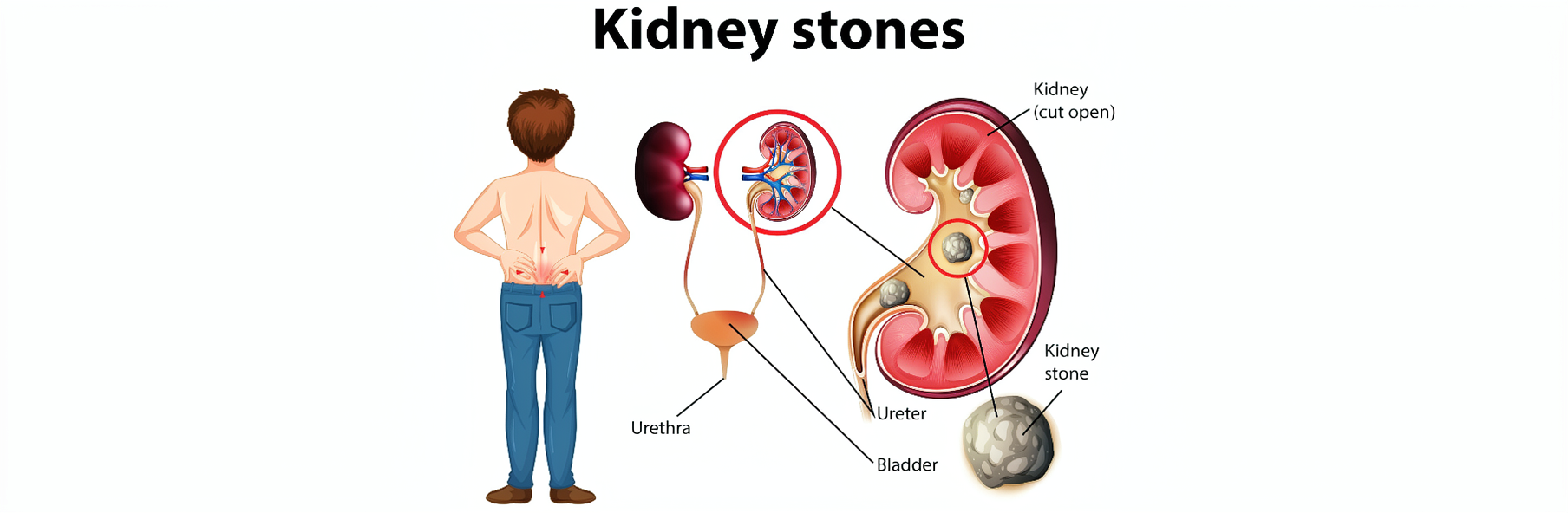
That sharp, gripping pain in your side is impossible to ignore. It may come in waves, radiate toward your groin, and leave you searching for a comfortable position that never comes. You might wonder if it is a pulled muscle, a stomach bug, or something more serious. For many people, the answer is a kidney stone. Understanding kidney stones treatment and following simple urinary health tips can help you find relief and lower your chances of another painful episode. Kidney stones are common, and the good news is that most can be managed successfully. This guide explains what kidney stones are, the different types and how they differ, the symptoms to watch for, and the treatment options that help you pass them.
If you have been searching for a kidney clinic near me or trusted nephrology in NY, you do not have to face this pain alone. Doral Health & Wellness Nephrology offers compassionate Brooklyn nephrology care delivered with patience and respect. Our team explains your diagnosis in plain language, answers your questions, and guides you toward the treatment that fits your life. Reach out today to start your care with people who truly listen.
What Are Kidney Stones?
Sudden, severe pain can leave you frightened and confused about what is happening inside your body. You may not know whether to wait it out or seek help right away. Understanding what a stone actually is helps replace that fear with clarity.
A kidney stone is a hard mass that forms in your kidney from substances in your urine. When minerals and salts build up and cling together, they harden into a stone. Your kidneys filter extra water and waste from your blood to make urine, and stones form when that waste becomes too concentrated.
Here is what makes kidney stones so distinct:
- Size varies widely – A stone may be as small as a grain of sand or grow to the size of a pea or larger.
- Location matters – Pain often begins when a stone moves and blocks the flow of urine.
- They are common – Many people pass a stone at some point, and the risk rises without prevention.
A kidney stone is painful, but it is rarely a mystery once you understand its source. With the right care, most stones can be treated.
Types of Kidney Stones and How They Differ
Not all kidney stones are the same. Knowing which type you have shapes both your treatment and your prevention plan. The difference comes down to what the stone is made of.
Each type forms for its own reason, and telling them apart helps your care team stop the next one from forming.
- Calcium stones – The most common type, usually made of calcium oxalate. They often form when your urine holds too much calcium or oxalate.
- Uric acid stones – These form when your urine stays too acidic, often linked to diet, dehydration, or certain health conditions.
- Struvite stones – These develop after urinary tract infections and can grow quickly into large stones.
- Cystine stones – The rarest type, caused by an inherited condition that leaks too much of an amino acid into your urine.
The key takeaway is simple. The makeup of your stone reveals why it formed, and that knowledge guides how you prevent the next one. A nephrologist near me can analyze your stone and tailor a plan around it.
Symptoms You Should Not Ignore
A small stone sitting quietly in your kidney may cause no symptoms at all. The trouble often begins when it starts to move. That is when the pain arrives, and it can be intense.
Recognizing the warning signs helps you know when to act. Watch for these common symptoms:
- Severe side or back pain – Often below the ribs, coming in waves that build and fade.
- Pain that radiates – Discomfort that spreads to your lower belly and groin.
- Blood in your urine – Pink, red, or brown urine can signal a stone.
- Painful urination – A burning feeling as the stone reaches your bladder.
- Cloudy or foul-smelling urine – A possible sign of infection alongside a stone.
- Nausea and vomiting – Common companions to severe stone pain.
Some signs call for urgent care. Seek help right away if you have pain with fever and chills, cannot pass urine, or the pain becomes unbearable. These can point to a blockage or infection that needs immediate attention.
Kidney Stones Treatment Options
A diagnosis can stir up worry about what comes next. The reassuring truth is that most stones pass on their own or respond well to treatment. Your plan depends on the size, type, and location of your stone.
Passing a Stone Naturally
Many small stones leave your body without a procedure. The most important step is staying well hydrated. People who form stones should drink enough fluid to produce at least 2.5 liters of urine each day. Your doctor may also suggest pain relief and medicine to help the stone pass more easily.
Medication
For certain stones, medicine does more than ease pain. Depending on your stone type, your provider may prescribe treatments that relax your urinary tract or adjust the chemistry of your urine to help stones dissolve or pass.
Procedures for Larger Stones
When a stone is too large or stuck, a procedure may be needed. Common options include:
- Shock wave therapy – Sound waves break the stone into smaller pieces you can pass.
- Ureteroscopy – A thin scope removes or breaks up a stone in the urinary tract.
- Surgical removal – Reserved for very large stones that other methods cannot clear.
You have real, effective options. A trusted team offering nephrology in NY can help you choose the safest path toward relief.
Urinary Health Tips for Prevention
Passing one stone makes you more likely to form another. That fact can feel discouraging. The encouraging news is that daily habits carry real power to keep stones away.
These urinary health tips are simple, and they add up over time:
- Drink plenty of water – Aim for six to eight glasses a day, unless your doctor says otherwise.
- Watch your salt – Too much sodium raises the calcium in your urine.
- Limit high-oxalate foods – Cut back if you are prone to calcium oxalate stones.
- Moderate animal protein – Large amounts can increase your risk of certain stones.
- Stay active and manage weight – Both support healthier urine chemistry.
Know When to See a Specialist
Prevention works best alongside professional guidance. If you have had more than one stone, or your pain keeps returning, do not wait to get checked. A dependable Brooklyn nephrology team can test your urine, analyze your stones, and build a plan that fits your life. If you have been searching for a kidney clinic near me, choosing a team you trust makes all the difference.
You are never alone in protecting your health. With steady habits and the right support, you can lower your risk for years to come.
Take the Next Step Toward Lasting Relief
Living with kidney stone pain is exhausting, but understanding it makes the path forward clear. You now know what kidney stones are, how calcium, uric acid, struvite, and cystine stones differ, the symptoms to watch for, and the treatment options that bring real relief. Each of these facts gives you more power over your health and your comfort. The right care team turns worry into a plan you can trust. If you have been searching for trusted nephrology in NY or a caring nephrologist near me, compassionate help is closer than you think. Our experienced Brooklyn nephrology team is ready to guide you through testing, treatment, and prevention with patience and genuine care every step of the way.
To begin your care with people who put your health first, contact Doral Health & Wellness today at 1-718-365-2555 or visit us at 1797 Pitkin Avenue, Brooklyn, New York 11212. For general information about Doral Health & Wellness services, you can contact or email info@doralhw.org.