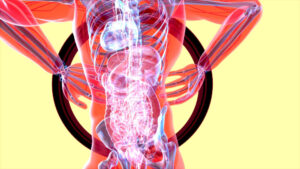
Changes in your urine or unexpected swelling can leave you uneasy. You might notice foamy urine, puffy ankles, or a color that looks wrong, and wonder if it will simply pass. That worry is real, and it deserves honest answers. The truth is that spotting glomerulonephritis symptoms and following simple early detection tips can protect your kidneys long before serious damage sets in. Glomerulonephritis is inflammation of the tiny filters inside your kidneys, and it often starts quietly. The reassuring part is that when caught early, it can be treated and managed well. This guide walks you through the warning signs, the difference between acute and chronic forms, and the steps that keep you one move ahead.
If you have been searching for a kidney clinic near me or trusted nephrology in NY, you do not have to sort through this worry alone. Doral Health & Wellness Nephrology offers compassionate Brooklyn nephrology care delivered with patience and respect. Our team explains your results in plain language, answers your questions, and guides you toward the right testing. Reach out today to start your care with people who truly listen.
What is Glomerulonephritis?
An unfamiliar diagnosis can feel unsettling, especially when it involves an organ you rarely think about. You may not know what glomerulonephritis actually does inside your body. Understanding the basics replaces that fear with clarity.
Glomerulonephritis is inflammation of the glomeruli, the tiny filters in your kidneys that clean your blood. When these filters become inflamed, they can leak blood and protein into your urine. Symptoms can include too much protein in your urine, low albumin in your blood, swelling, and high blood pressure.
Here is what makes glomerulonephritis worth understanding:
- It is inflammation, not infection – The problem lies in your kidney’s filtering units, not a simple bug you can shake off.
- It affects filtering – Damaged filters let blood and protein slip through where they should not
- It responds to care – Catching it early gives you the best chance to protect your kidney function.
Glomerulonephritis is a signal worth heeding. Knowing what it is helps you respond calmly and wisely.
The Glomerulonephritis Symptoms You Should Never Ignore
Fear often keeps people from looking closely at their own health. You may notice a change and quietly hope it fades on its own. Naming the warning signs takes away that uncertainty and puts you back in control.
Experts lists several signs worth watching. Pay attention if you notice:
- Pink or cola-colored urine – A sign of red blood cells slipping into your urine, known as hematuria.
- Foamy or bubbly urine – Often points to too much protein passing through your filters.
- Swelling – Puffiness in your face, hands, feet, or ankles from fluid buildup.
- High blood pressure – Damaged kidneys can drive your pressure upward.
- Fatigue – Feeling worn out as waste builds in your blood.
One symptom does not mean the worst. But several signs together, or any that linger, deserve a closer look. Listening to your body is never an overreaction.
Acute vs. Chronic Glomerulonephritis: What’s the Difference?
Not every case of glomerulonephritis looks the same. Knowing whether it strikes suddenly or builds slowly shapes how it is treated. The difference comes down to timing and how the symptoms appear.
Both forms inflame the same filters, yet they behave differently.
Acute Glomerulonephritis
Acute glomerulonephritis comes on quickly, often after an infection. Post-streptococcal glomerulonephritis can cause hematuria, proteinuria, and swelling within two to three weeks after a sore throat or skin infection. Symptoms tend to be noticeable and sudden.
Chronic Glomerulonephritis
Chronic glomerulonephritis develops slowly, often over years. It may cause few symptoms at first, quietly damaging your kidneys before you feel anything. Over time, it can lead to lasting harm and even kidney failure if left unchecked.
Here is the key difference to remember:
- Acute – Sudden onset, often tied to a recent infection, with clear symptoms.
- Chronic – Slow, silent progression that may go unnoticed for a long time.
The pattern is clear. Acute cases announce themselves, while chronic ones hide. That is exactly why regular testing matters, and a caring nephrologist near me can tell the two apart.
Early Detection Tips That Protect Your Kidneys
A diagnosis tied to your kidneys can feel discouraging. You may wonder whether the damage is beyond your control. The reassuring truth is that early action carries real power.
A urinalysis can reveal red blood cells and protein that signal inflammation. A simple test often catches trouble before symptoms turn serious.
Keep these early detection tips in mind:
- Do not skip routine tests – A quick urine test can spot hidden blood or protein early.
- Track your symptoms – Note any changes in urine color, swelling, or energy.
- Act after infections – See a doctor if swelling or dark urine follows a sore throat or skin infection.
- Watch your blood pressure – Rising numbers can be an early clue.
Know When to See a Specialist
Prevention works best alongside professional guidance. If you notice warning signs or a test flags a concern, do not wait to get checked. A dependable Brooklyn nephrology team can evaluate your kidneys, confirm the cause, and build a plan around your needs. If you have been searching for a kidney clinic near me, choosing a team you trust makes the whole process easier.
You are never alone in protecting your health. With early testing and the right support, you can stay one step ahead.
Take the Next Step Toward Healthier Kidneys
Facing kidney concerns is never easy, but knowledge changes everything. You now know the glomerulonephritis symptoms worth watching, how acute and chronic forms differ, and the early detection tips that keep you protected. Each of these facts gives you real power over your health and your peace of mind. The right care team turns worry into a plan you can trust. If you have been searching for trusted nephrology in NY or a caring nephrologist near me, compassionate help is closer than you think. Our experienced team is ready to guide you through testing, diagnosis, and care with patience and genuine understanding every step of the way.
To begin your care with people who put your health first, contact Doral Health & Wellness today at 1-718-365-2555 or visit us at 1797 Pitkin Avenue, Brooklyn, New York 11212. For general information about Doral Health & Wellness services, you can contact or email info@doralhw.org.