A diagnosis of polycystic kidney disease can shake your sense of security. You may hear the word “genetic” and wonder what it means for your future, your family, and the years ahead. That worry is real, and it deserves honest, caring answers. The truth is that understanding PKD complications and building strong kidney failure awareness gives you real power over what comes next. PKD is a lifelong condition, but it is not a mystery, and it is not something you have to face alone. Many people manage it well for decades with the right care and monitoring. This guide explains what PKD is, the difference between its two main types, the complications to watch for, how it can lead to kidney failure, and the steps that help you stay ahead of it.
If you have been searching for a kidney clinic near me or trusted nephrology in NY, you do not have to sort through this worry by yourself. Doral Health & Wellness Nephrology offers compassionate Brooklyn nephrology care delivered with patience and respect. Our team explains your diagnosis in plain language, answers your questions, and guides you toward a plan that fits your life. Reach out today to start your care with people who truly listen.
What is Polycystic Kidney Disease?
An unfamiliar diagnosis can feel overwhelming, especially when it involves an organ you rarely think about. You may not know what PKD actually does inside your body or how serious it is. Understanding the basics replaces that fear with clarity.
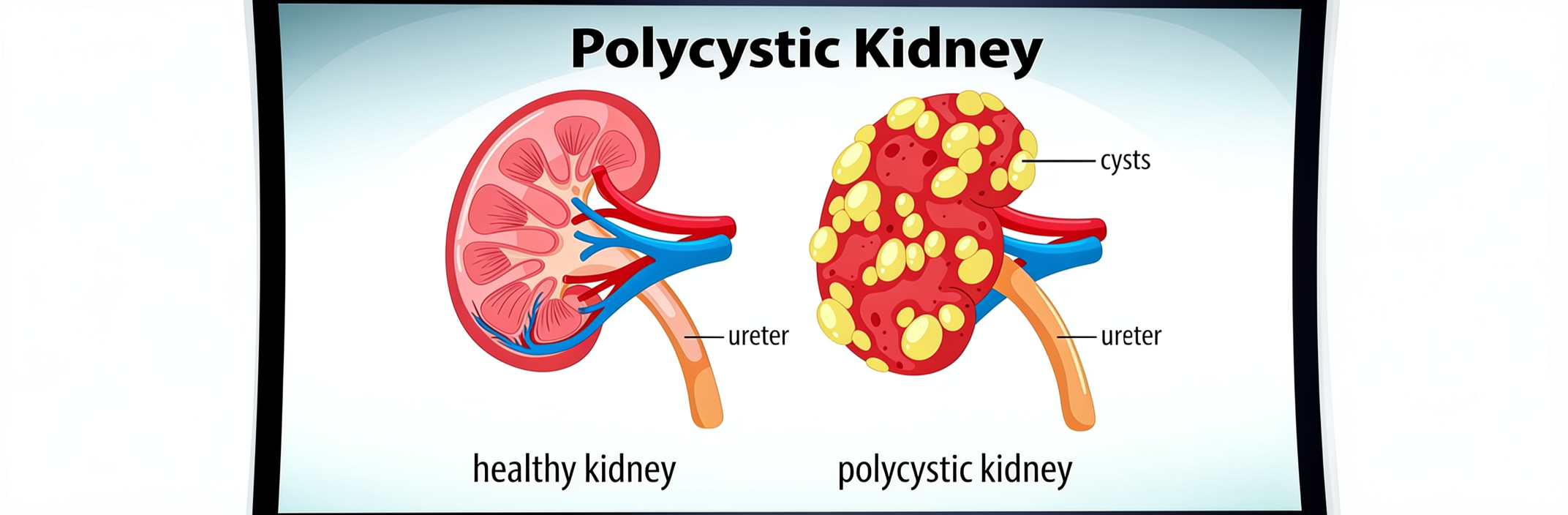
Polycystic kidney disease is an inherited disorder that causes fluid-filled sacs, called cysts, to grow in your kidneys. These cysts can enlarge your kidneys and slowly damage the healthy tissue that filters your blood. Over time, that damage can weaken how well your kidneys work.
Here is what makes PKD distinct:
- It is genetic – PKD passes down through families rather than developing from lifestyle alone.
- It is progressive – Cysts tend to grow and multiply over the years.
- It is manageable – Early care can slow its progress and protect your kidney function.
PKD is a lifelong condition, but knowledge and steady care put you in control.
Types of PKD: ADPKD vs. ARPKD
Not all PKD is the same. Knowing which type you or your loved one has shapes the entire care plan. The difference comes down to how the condition is inherited and when it appears.
There are two main forms, and telling them apart matters.
Autosomal Dominant PKD (ADPKD)
ADPKD is the most common form. It usually shows up in adulthood, often between ages 30 and 50. A person needs only one copy of the changed gene, from either parent, to develop it.
Autosomal Recessive PKD (ARPKD)
ARPKD is far rarer and often appears in infancy or early childhood. It requires two copies of the changed gene, one from each parent. Because it strikes so early, it tends to be more serious.
Here is the key difference to remember:
- ADPKD – Common, adult-onset, needs one changed gene, progresses over decades.
- ARPKD – Rare, appears in childhood, needs two changed genes, often more severe.
The pattern is clear. ADPKD gives you a longer window to act, while ARPKD demands early, specialized care. A caring nephrologist near me can confirm the type and explain what it means for you.
Understanding PKD Complications
Cysts on the kidneys sound frightening, and the effects can reach beyond the kidneys themselves. You may not realize how many parts of your body PKD can touch. Learning the risks helps you spot trouble early.
PKD complications can affect more than kidney function. Experts points to several problems worth watching for:
- High blood pressure – Often one of the earliest complications, and a driver of further kidney damage.
- Kidney pain – Enlarged kidneys and growing cysts can cause ongoing back or side discomfort.
- Kidney stones – People with PKD face a higher risk of painful stones.
- Urinary tract infections – Cysts can become infected and require prompt treatment.
- Cysts elsewhere – Cysts may also form in the liver, and in some cases affect blood vessels in the brain.
These complications are real, but they are not beyond reach. With regular monitoring, your care team can catch and treat them early.
How PKD Leads to Kidney Failure
The connection between cysts and kidney failure is what worries most people. You may wonder whether failure is certain or something you can slow. Understanding the process brings that answer within reach.
As cysts grow and multiply, they crowd out healthy kidney tissue. Over time, your kidneys struggle to filter waste and extra fluid from your blood. PKD is a leading cause of kidney failure, and many people with ADPKD reach that stage by their 60s.
Kidney failure means your kidneys can no longer do their job well enough to keep you healthy. At that point, treatment shifts toward dialysis or a kidney transplant.
The reassuring truth is that this progress is not always fast, and it is not always inevitable at the same pace. Strong kidney failure awareness, steady blood pressure control, and regular checkups can slow the decline. Early action truly matters, and a trusted team offering nephrology in NY can help you make the most of every year.
Symptoms and Warning Signs
PKD often stays quiet in its early stages, and that silence is exactly what makes it risky. You may feel completely well while cysts slowly grow. Knowing the warning signs helps you act before problems advance.
Watch for these common symptoms:
- High blood pressure – Frequently the first noticeable sign of PKD.
- Back or side pain – A dull ache tied to enlarged kidneys.
- Blood in the urine – Pink, red, or brown urine that should never be ignored.
- Frequent infections – Repeated urinary or kidney infections.
- A feeling of fullness – Pressure in your abdomen as kidneys enlarge.
- Headaches – Sometimes linked to rising blood pressure.
Some signs call for prompt care. If you notice blood in your urine, severe pain, or a sudden, intense headache, do not wait to be seen.
Management Tips for Living With PKD
A lifelong diagnosis can feel like something outside your control. The encouraging truth is that your daily choices carry real power. Small, steady habits protect your kidneys for years to come.
These management tips support your kidney health and your peace of mind:
- Control your blood pressure – This is one of the most important steps to slow kidney damage.
- Stay hydrated – Adequate water supports healthy kidney function.
- Eat kidney-friendly meals – Focus on vegetables, whole grains, and less salt.
- Stay active – Regular movement supports your heart and kidneys.
- Avoid smoking – Quitting protects your blood vessels and kidneys.
- Keep your appointments – Regular monitoring catches complications early.
Know When to See a Specialist
Prevention works best alongside professional guidance. If PKD runs in your family, or you notice warning signs, do not wait to get checked. A dependable Brooklyn nephrology team can track your kidney function, manage complications, and build a plan around your needs. If you have been searching for a kidney clinic near me, choosing a team you trust makes all the difference.
You are never alone in protecting your health. With the right habits and support, you can live well with PKD for many years.
Take the Next Step Toward Healthier Kidneys
Facing PKD is never easy, but knowledge changes everything. You now understand what PKD is, how ADPKD and ARPKD differ, the PKD complications to watch for, how the disease can lead to kidney failure, and the steps that help you stay ahead of it. Each of these facts strengthens your kidney failure awareness and gives you real power over your health and your future. The right care team turns worry into a plan you can trust. If you have been searching for trusted nephrology in NY or a caring nephrologist near me, compassionate help is closer than you think. Our experienced team is ready to guide you through testing, monitoring, and treatment with patience and genuine care every step of the way.
To begin your care with people who put your health first, contact Doral Health & Wellness today at 1-718-365-2555 or visit us at1797 Pitkin Avenue, Brooklyn, New York 11212. For general information about Doral Health & Wellness services, you can contact or email info@doralhw.org.