Sore, hardened patches of skin on your feet can turn everyday walking into a painful chore. If a loved one keeps wincing when they slip on their shoes, corns and calluses are often the reason. The good news is that these thickened spots are common, treatable, and usually easy to avoid. In this guide, we walk you through the causes of corns and calluses, the symptoms of corns and calluses to watch for, and simple ways to prevent corns and calluses from coming back. Whether you are caring for an aging parent or managing your own foot health, understanding these small problems can save you a lot of discomfort down the road.
What Causes Corns and Calluses?
Corns and calluses form when your skin tries to protect itself. Repeated pressure and rubbing cause the skin to thicken and harden. It is your body’s way of shielding sensitive tissue.
Several everyday habits lead to this buildup:
- Ill-fitting shoes. Tight, pointy, or high-heeled shoes squeeze the feet and create friction.
- Skipping socks. Bare skin rubbing against a shoe increases pressure.
- Repeated activity. Lifting weights or playing an instrument can cause calluses on the hands.
- Foot shape or bone alignment. Certain deformities create pressure points that keep coming back.
By identifying what is causing the friction, you can take the first real step toward relief.
Recognizing the Symptoms of Corns and Calluses
You may notice a rough patch before you feel any pain. That is normal. Spotting the symptoms of corns and calluses early makes them far easier to manage.
Corns
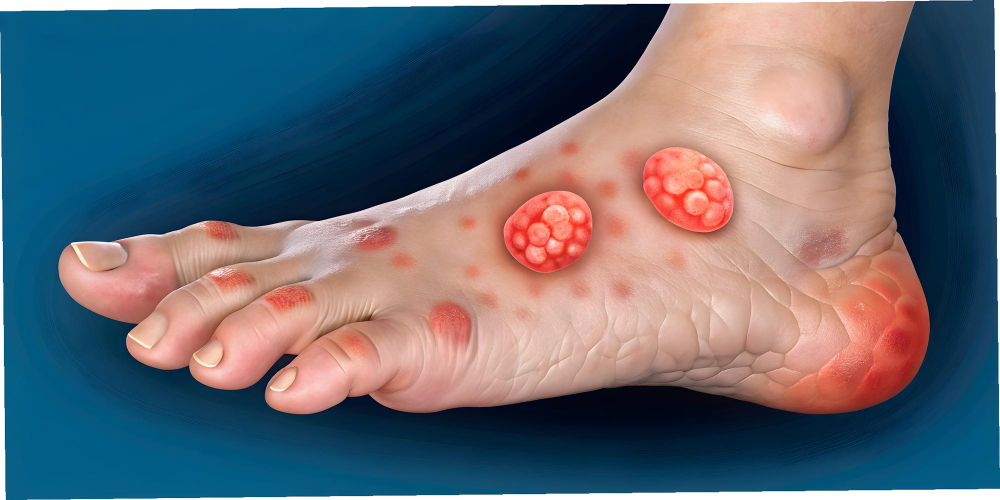
Corns are small, round lumps of hard skin. They often develop on or between the toes, where shoes press hardest. Corns can feel tender or painful when touched.
Calluses
Calluses are larger patches of rough, thick skin. They usually appear on the soles of the feet, the heels, or the palms of the hands. They are rarely painful but can feel uncomfortable under pressure.
If a hardened spot bleeds, oozes, or becomes very painful, it is time to have a podiatrist take a closer look.
Ways to Prevent Corns and Calluses
Prevention comes down to reducing pressure and friction. Small changes make a big difference, and most of them fit easily into your daily routine.
Here are practical ways to prevent corns and calluses:
- Choose the right shoes. Pick wide, comfortable footwear with a low heel and a soft sole.
- Wear cushioned socks. Thick socks reduce rubbing and protect your skin.
- Use protective pads. Soft insoles, heel pads, or donut-shaped pads ease pressure points.
- Moisturize regularly. Soft skin is less likely to harden and crack.
- Soak and smooth. Warm water softens rough skin, and a pumice stone gently removes it.
A quick note of caution. If your loved one has diabetes, heart disease, or poor circulation, never treat corns or calluses at home. These conditions make foot problems more serious, so professional care is the safest choice.
When to See a Podiatrist
Sometimes home care is not enough, and that is perfectly okay. A podiatrist can safely trim thickened skin, fit custom insoles, and correct the pressure that is causing the problem. Waiting only makes the discomfort worse.
If you are seeking expert help, a trusted podiatry clinic in Brooklyn can assess your feet and develop a care plan that fits your needs. Many families find that one visit to a podiatry clinic in Brooklyn brings lasting comfort and peace of mind.
Compassionate Foot Care, Close to Home
You do not have to live with sore, aching feet. With the right shoes, gentle daily care, and expert support when you need it, healthy feet are well within reach. To take the next step, reach out to our Podiatry care team today by calling +1 718 367 2555 or visit us at 1797 Pitkin Avenue, New York, NY 11212, and let our caring team help you or your loved one walk with comfort again.