Sore, thickened patches on your feet can turn a simple walk into a painful ordeal. If your loved one keeps easing off their shoes with a wince, corns and calluses are often the cause. The discomfort is real, but the solution is usually within reach. This guide walks you through practical ways to get rid of corns and calluses, how a proper diagnosis of corns and calluses works, and when to bring in expert help. You are not stuck with achy, tender feet. With the right care at home and support from a trusted professional, you can help yourself or your loved one walk in comfort again.
Understanding Your Corns and Calluses Diagnosis
Before you treat anything, you need to know exactly what you are dealing with. That is where an accurate corns and calluses diagnosis matters most.
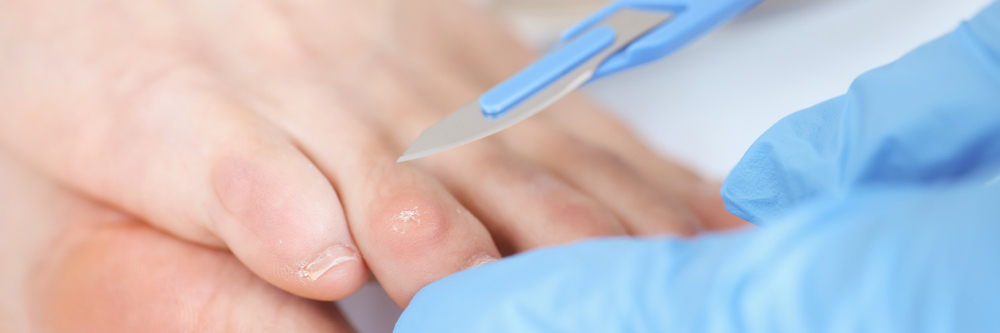
A healthcare provider usually examines the affected skin closely. This simple check rules out other causes of thickened skin, such as warts or cysts. Sometimes a provider pares away a small bit of hardened skin. If it bleeds or shows tiny dark points, it may be a wart rather than a corn.
When to Get a Professional Opinion
Home guessing only goes so far. See a podiatrist promptly if:
- The pain is severe. Sharp or constant pain deserves a closer look.
- There are signs of infection. Bleeding, pus, or discharge means it is time for care.
- You have a health condition. Diabetes, heart disease, or poor circulation makes foot problems more serious.
For families in New York, a podiatry clinic in Brooklyn can confirm what is going on and rule out anything more concerning.
Simple Ways to Get Rid of Corns and Calluses at Home
Most corns and calluses respond well to gentle, consistent care. The goal is to soften the skin and reduce the pressure that caused it.
Here are safe ways to get rid of corns and calluses at home:
- Soak the skin. Warm, soapy water softens hardened areas and makes them easier to manage.
- Smooth gently. After soaking, use a pumice stone or foot file to remove one thin layer at a time.
- Moisturize daily. Regular moisturizer keeps skin soft and less likely to harden again.
- Use protective pads. Donut-shaped pads and soft insoles ease pressure on tender spots.
- Switch your shoes. Wide, cushioned footwear with a low heel reduces the friction that started the problem.
One important caution. If your loved one has diabetes or poor circulation, never trim or file the skin at home. These conditions turn small foot problems into serious ones, so professional care is always the safer path.
Professional Treatment You Can Rely On
Sometimes home care is not enough, and that is completely okay. A podiatrist can safely remove thickened skin and treat the root cause.
Professional options often include:
- Careful trimming. A specialist pares down hard skin with proper tools during a visit.
- Medicated patches. These soften stubborn corns so they can be removed safely.
- Custom insoles. Padded orthotics correct pressure points and prevent corns from returning.
A caring podiatry clinic in Brooklyn can build a plan that fits your loved one’s needs, right down to comfortable, custom support.
Walk in Comfort Again
Painful feet do not have to be part of daily life. With a clear diagnosis, gentle home care, and expert help when you need it, relief is closer than you think. You do not have to figure this out alone. To take the next step, reach out to our Podiatry care team today by calling +1 718 367 2555 or visit us at 1797 Pitkin Avenue, New York, NY 11212, and let our compassionate team help you or your loved one move with comfort and confidence.