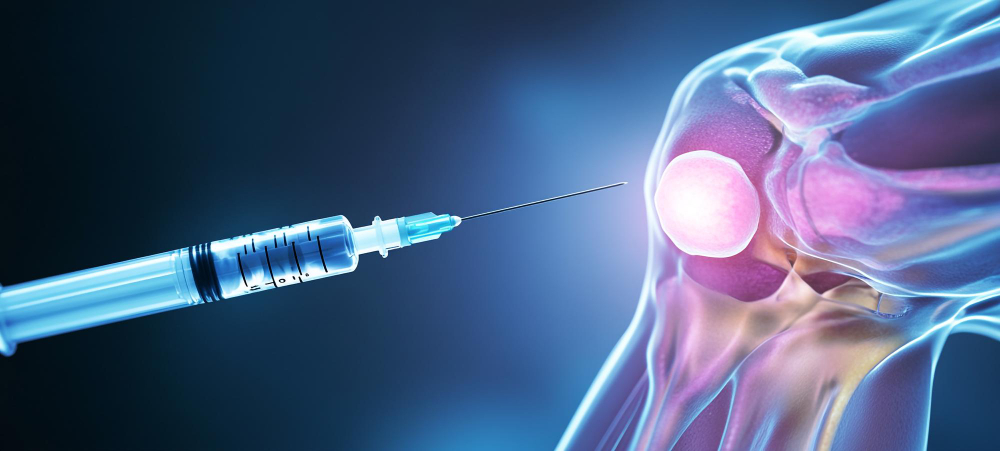
Knee and joint pain can wear you down. It interferes with work, sleep, and the simple joys of moving through your day. When stiffness and aching become constant companions, you start looking for real answers.
Joint injections offer one path toward relief. They deliver medication directly into a sore joint to calm inflammation and ease pain, especially for people living with osteoarthritis. This gradual “wear and tear” condition breaks down the cushioning in your joints over time.
In this guide, you will learn:
- The main types of joint injections for knee pain
- What happens during the procedure
- When it may be time to consult a specialist
If osteoarthritis is holding you back, our pain management team can help you explore options without the stress of a clinic visit.
Types of Joint Injections for Knee Pain and Osteoarthritis
Not every injection works the same way. Choosing the right one depends on your diagnosis, your symptoms, and how your body responds. Here are the most common options.
Cortisone (Corticosteroid) Injections
Cortisone shots are powerful medications that reduce inflammation. According to Johns Hopkins Medicine, they are often used to treat arthritis-related knee pain and can control discomfort for several weeks or months.
Relief is not always immediate. It can take up to a week for symptoms to improve. To protect the joint, doctors limit these shots to three or four times per year.
Hyaluronic Acid (Gel Shots)
Hyaluronic acid acts like a natural shock absorber and lubricant in your knee. People with osteoarthritis have less of this fluid than they should, which leads to pain and stiffness.
The Arthritis Foundation notes that gel shots aim to restore that cushioning. Doctors typically give one to five injections, and relief can last around six months.
Platelet-Rich Plasma (PRP)
PRP injections use your own blood, processed to concentrate healing platelets. Research shared by Johns Hopkins Medicine shows PRP may relieve mild to moderate knee osteoarthritis. Results build gradually over several weeks.
Trigger Joint Injections
Trigger joint injections target specific painful points around the joint or surrounding soft tissue. They combine a numbing agent with an anti-inflammatory medication to calm localized flare-ups. For many people, trigger joint injections offer focused relief when a single tender area is the main source of discomfort.
What to Expect During Joint Injections
Worried about the needle? That is completely normal. The good news is the process is quick and done while you are awake.
Here is the general flow:
- Preparation: Your provider cleans the skin and applies a numbing spray.
- Guidance: Ultrasound or X-ray may guide the needle to the right spot.
- Injection: The medication goes into the joint capsule, the space between the bones.
- Recovery: You can return to light activity, but rest the joint for the first 48 hours.
Some soreness or swelling afterward is common. Ice and over-the-counter pain relievers usually help.
When to See a Pain Management Specialist
Sometimes injections alone are not enough. When pain keeps returning or starts limiting your daily life, it may be time for expert guidance.
A pain management specialist can review your full history and build a plan around your needs. They help you weigh the benefits and risks of each treatment, so you feel confident in your choice. For more tips, explore our guide to living well with osteoarthritis.
You do not have to figure this out alone. A pain management specialist can coordinate care that fits your life, not the other way around.
Conclusion
Knee and joint pain does not have to define your days. From cortisone to trigger joint injections, the right treatment can restore comfort and movement.
Your next step is simple. Talk with a pain management specialist who understands osteoarthritis and can tailor care to you. Reach out today by calling us at +1-718-367-2555 or walking into our clinic at 1797 Pitkin Avenue, Brooklyn, NY 11212 to schedule an in-home pain management visit and take the first step toward lasting relief.