Bruising and compression care after sclerotherapy post-op are two of the most common concerns patients have. Bruising typically fades within two to four weeks, and consistent compression garment use helps reduce swelling, improve results, and support healing. Knowing what is normal — and when to call your vascular surgeon — makes recovery far more manageable.
Bruising after sclerotherapy can catch patients off guard. You followed every instruction, kept your appointment at a trusted vascular clinic in Brooklyn, and came home hopeful — only to notice discoloration spreading across your legs. That reaction is normal, and it does not mean something went wrong.
Understanding what your body is doing during recovery helps you move through it with confidence. This guide covers what causes post-procedure bruising, how to care for it, and why compression is one of the most important tools your vascular surgeon has in your recovery plan.
Why Bruising Happens After Sclerotherapy
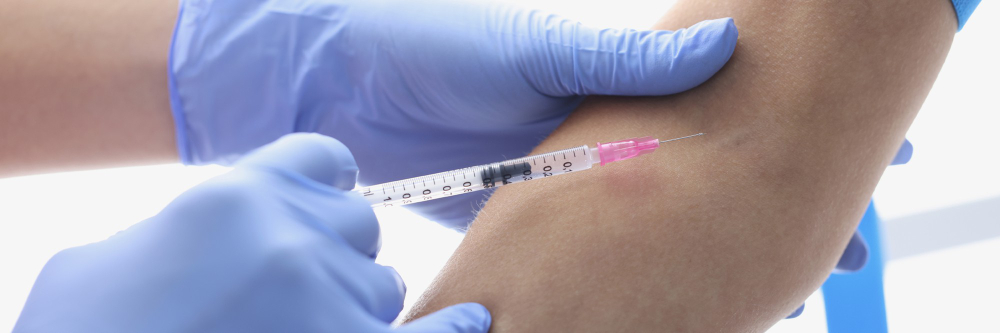
Sclerotherapy works by injecting a solution directly into a targeted vein, causing it to scar and close. Blood is then rerouted through healthier vessels. That process is effective — but it does involve controlled injury to the vein wall, and your body responds accordingly.
Bruising is a natural part of that response. The injection site experiences minor trauma, and small amounts of blood can leak into surrounding tissue, producing the purple, blue, or brownish discoloration you may notice in the days following treatment.
How Long Does Bruising Last After Sclerotherapy?
For most patients, bruising fades within two to four weeks. Larger veins may take slightly longer. According to the American Society for Dermatologic Surgery, some patients also develop a condition called hyperpigmentation — a temporary brownish staining along the treated vein — which can persist for three to six months but typically resolves on its own.
A few factors can influence how quickly bruising clears:
- Skin tone and sensitivity: Fair skin may show bruising more visibly, though healing timelines are generally similar.
- Medications and supplements: Blood thinners, aspirin, fish oil, and certain vitamins can increase bruising. Discuss these with your vascular surgeon before your procedure.
- Activity level: Returning to high-impact exercise too quickly can worsen bruising. Your care team will advise you on when it is safe to resume normal activity.
If bruising is accompanied by significant warmth, hardness, or worsening pain at the site, contact your vascular surgeon promptly. These can be signs of inflammation or, in rare cases, a complication that warrants evaluation.
Why Compression Care Is a Critical Part of Recovery
Compression is not just about comfort — it is a core component of bruising and compression care after sclerotherapy post-op. Wearing a compression stocking or bandage after treatment applies gentle, consistent pressure to the treated area. This pressure keeps the vein walls collapsed and in contact with each other, which is exactly what allows the treated vessel to close properly.
Without adequate compression, blood can re-enter the treated vein before it has sealed, reducing the effectiveness of the procedure and increasing the risk of complications like clot formation or recurrence.
How Long Should You Wear Compression Garments After Sclerotherapy?
Your vascular surgeon will give you personalized instructions, but general guidance from most vascular clinics in Brooklyn and across the US follows this pattern:
- Immediately after treatment: Compression bandages or stockings should be worn continuously for the first 24 to 48 hours, including during sleep.
- Days two through seven: Continue wearing compression stockings during all waking hours. Remove them only for bathing.
- Weeks two through four: Your surgeon may recommend continued daytime compression, particularly if you are on your feet for long periods.
Follow your care team’s specific instructions closely. The right compression level — typically 20–30 mmHg for most patients — matters as much as duration. A garment that is too loose will not apply effective pressure; one that is too tight can restrict circulation.
Tips for Managing Compression Care at Home
Recovery is manageable with the right habits in place.
- Put stockings on in the morning before you stand up, when swelling is at its lowest.
- Avoid heat exposure — hot baths, saunas, and direct sun on the treated area — during the first two weeks. Heat causes vessels to dilate, which works against compression’s purpose.
- Walk regularly. Short walks promote circulation and reduce the risk of blood pooling. Prolonged standing or sitting without movement is discouraged in the early recovery period.
- Elevate your legs when resting to help reduce swelling and support drainage.
Take the Next Step With Your Care Team
Bruising fades. Compression garments come off. And with the right guidance from an experienced vascular surgeon, your recovery moves forward steadily.
If you have concerns about your healing, questions about your compression routine, or you are considering sclerotherapy for the first time, our vascular team is here to support you. Reach out today by calling 1-347-384-5690 or visiting us at 1797 Pitkin Avenue, Brooklyn, New York 11212 to schedule a consultation for your comfort, and your results both depend on care that begins well before the procedure ends.