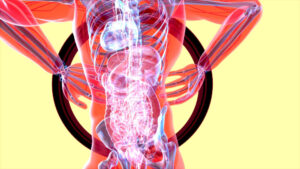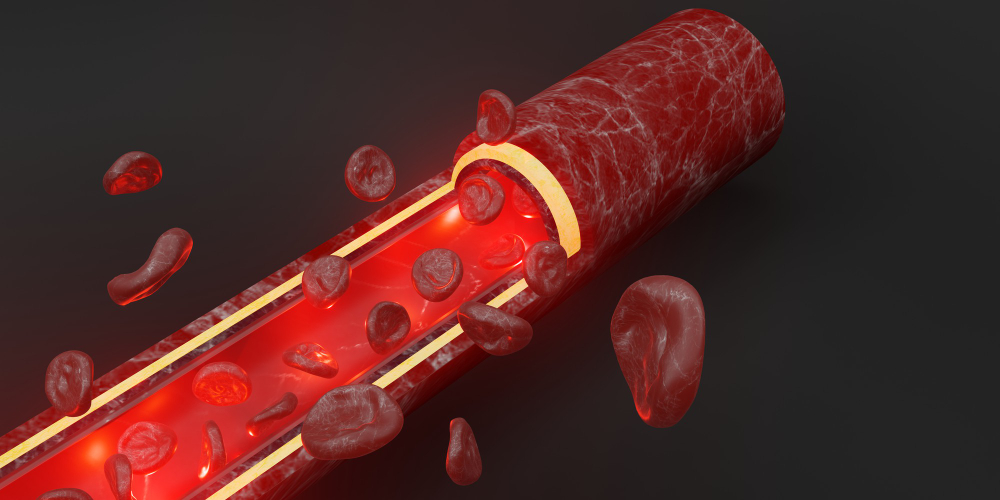
Vascular embolization is a minimally invasive procedure that reduces or blocks blood flow to an arteriovenous malformation (AVM), helping relieve pain and lower the risk of rupture. A vascular surgeon performs the procedure by threading a thin catheter through a blood vessel to deliver blocking agents directly to the abnormal vessels.
Living with an arteriovenous malformation is not just a diagnosis — it is a daily experience of uncertainty, discomfort, and difficult decisions. For many patients and their families, learning that surgery may not be the only path forward brings real relief. Vascular embolization has become one of the most important minimally invasive options for AVM pain management, offering meaningful results without the recovery burden of open surgery.
What Is an AVM, and Why Does It Cause Pain?
An arteriovenous malformation is an abnormal tangle of blood vessels that connects arteries directly to veins, bypassing the capillaries that normally slow and regulate blood flow. This disruption puts pressure on surrounding tissue, increases the risk of bleeding, and can cause persistent pain.
AVMs can occur in the brain, spine, or other parts of the body. When located in sensitive areas, they can produce headaches, neurological symptoms, or localized pain that worsens over time.
Who Is Most Affected?
AVMs are typically congenital, meaning they form before birth, but symptoms often do not appear until adulthood. Patients diagnosed with an AVM — especially those experiencing recurring pain or who face a risk of rupture — are often referred to a vascular surgeon to discuss treatment options.
How Vascular Embolization Works as an AVM Treatment
Vascular embolization addresses AVMs by reducing or cutting off the blood supply that feeds the abnormal vessels. A vascular surgeon accesses the malformation through a small catheter inserted into an artery, usually at the wrist or groin. Guided by imaging, the catheter is threaded to the site of the AVM, where embolic agents — such as coils, glue, or particles — are delivered to block blood flow.
The procedure does not require large incisions, and most patients return home within one to two days.
What to Expect During Recovery
Recovery from vascular embolization is generally more manageable than open surgery, though it varies depending on the size and location of the AVM. Common experiences include:
- Mild fatigue in the days following the procedure
- Soreness at the catheter insertion site
- Imaging follow-up to confirm how well blood flow was reduced
- Gradual pain relief as the treated vessels close off
Your care team will provide specific guidance on activity restrictions, medications, and warning signs to watch for at home.
When Is Embolization the Right Choice for AVM Pain Management?
Embolization is not always used as a standalone treatment. For smaller AVMs, it may resolve the issue entirely. For larger or more complex malformations, a vascular surgeon may recommend embolization before surgery or radiation therapy to reduce the risk of bleeding during those procedures.
The right approach depends on several factors, including the AVM’s size, location, and blood supply, as well as your overall health.
Treatment Approach | Best For |
Embolization alone | Small AVMs with limited blood supply |
Embolization before surgery | Large AVMs needing safer resection |
Embolization before radiation | Reducing AVM volume before radiosurgery |
Discussing these options with a vascular clinic in Brooklyn that specializes in AVM care gives you the clearest picture of what approach fits your specific situation.
Why Minimally Invasive Matters
The phrase “minimally invasive” carries real meaning for patients and families weighing treatment decisions. Shorter hospital stays, lower infection risk, and faster return to daily life are not small benefits — they shape the entire recovery experience.
For patients who are elderly, managing other health conditions, or simply concerned about the risks of open surgery, minimally invasive options for AVM pain management can change what feels possible. A skilled vascular surgeon at a trusted vascular clinic in Brooklyn can walk you through what the procedure would look like for your specific case.
Take the Next Step
You do not have to make these decisions alone. Our vascular team is here to help patients and families understand their options, ask the right questions, and move forward with confidence. Reach out today by calling 1-347-384-5690 or visiting us at 1797 Pitkin Avenue, Brooklyn, New York 11212 to get compassionate guidance your family deserves.