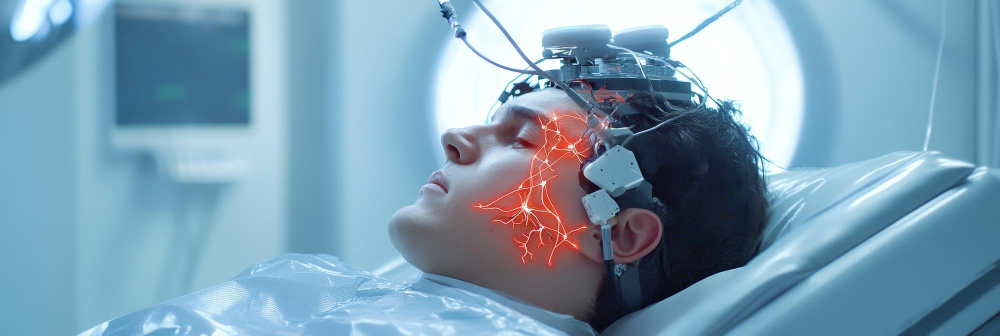
Recovery after carotid endarterectomy brings its own set of questions — and concerns. Your loved one has just undergone a serious procedure to restore blood flow to the brain, and the work does not stop when surgery ends. Understanding the ways to safeguard the brain after carotid endarterectomy is one of the most important steps you can take to protect the progress made in the operating room. This guide walks you through what to watch for, what to do, and how to give the brain the best possible chance at a full recovery.
Why Brain Safeguards Matter After Carotid Endarterectomy
Carotid endarterectomy removes plaque buildup from the carotid artery — the vessel responsible for carrying oxygen-rich blood to the brain. The surgery significantly reduces stroke risk, but the days and weeks that follow carry their own vulnerabilities.
Blood pressure fluctuations, clot formation, and cerebral hyperperfusion syndrome are among the most serious post-operative risks. Protecting the brain after surgery is not a passive process. It requires consistent monitoring, lifestyle adjustments, and close communication with your vascular surgeon.
Key Brain Safeguards to Follow at Home
Once discharged, your recovery shifts into your hands — with your vascular surgeon’s guidance supporting every decision.
Medication Adherence
Most patients are prescribed antiplatelet medications such as aspirin or clopidogrel to prevent clot formation. Skipping doses, even once, raises stroke risk. Keep medications organized, take them at the same time each day, and never discontinue them without consulting your provider first.
Blood Pressure Management
Uncontrolled blood pressure is one of the leading threats to brain health after this procedure. Your doctor may adjust existing blood pressure medications following surgery. Track your readings daily at home and bring that log to every follow-up appointment — it gives your care team the clearest picture of how your recovery is progressing.
Activity Restrictions
Rest matters, but complete inactivity is not the goal. Light walking is generally encouraged within days of surgery. Activities that strain the neck, raise blood pressure sharply, or risk trauma to the surgical site — including heavy lifting and strenuous exercise — should be avoided until your vascular surgeon clears you.
Diet and Brain Health
What you eat directly affects the health of every blood vessel in your body, including the carotid artery. A heart-healthy diet supports vascular recovery. Focus on:
Food Category | What to Prioritize |
Fruits & Vegetables | Antioxidant-rich options like berries, leafy greens |
Grains & Protein | Whole grains, lean meats, legumes |
Sodium | Low-sodium options to support blood pressure |
Fats | Limit saturated fats and processed foods |
Follow-Up Care at a Vascular Clinic in Brooklyn
Consistent follow-up is not optional — it is the backbone of safe recovery. A reputable vascular clinic in Brooklyn will schedule imaging to confirm the artery remains open and healing as expected, typically within 30 days of surgery and again at six months.
These appointments give your care team the chance to catch complications early, adjust medications, and answer the questions that inevitably arise once you are home. If something feels wrong between visits, reach out without hesitation. A trusted vascular clinic in Brooklyn is there to support you through every stage of recovery, not just the day of the procedure.
Warning Signs That Need Immediate Attention
Some symptoms after carotid endarterectomy require emergency evaluation. Call 911 or go directly to an emergency room if you or your loved one experiences any of the following:
- Sudden numbness or weakness on one side of the body
- Confusion or difficulty speaking or understanding speech
- Vision changes in one or both eyes
- Severe, unexplained headache
- Loss of balance or coordination
These may indicate a transient ischemic attack (TIA) or stroke — both of which require immediate medical intervention. Do not wait to see if the symptoms resolve on their own.
Take the Next Step With Our Department
Recovery after carotid endarterectomy is manageable, and you do not have to navigate it alone. Our vascular team is here to answer your questions, coordinate your follow-up care, and connect you with experienced vascular surgeons who can guide your recovery with skill and compassion. Reach out today by calling 1-347-384-5690 or visiting us at 1797 Pitkin Avenue, Brooklyn, New York 11212 to speak with our team and take the next step toward lasting brain health with confidence.