PAD in women often goes undiagnosed because symptoms rarely match the classic calf pain men experience. Combined with racial and ethnic disparities in screening, many women across New York live with narrowed leg arteries for years before anyone connects the dots. Recognizing subtle warning signs and seeking evaluation early can prevent serious complications down the road.
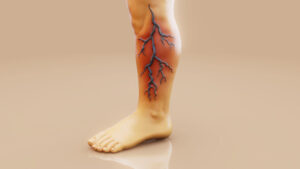
If you or someone you love has been feeling unusually tired legs, odd cramping, or just a general sense that something is “off” with your lower body, you are not imagining things. Peripheral artery disease, or PAD, develops when plaque narrows the arteries carrying blood to your legs. It is a serious condition, but it is also one that too often slips past diagnosis, especially in women and in communities of color.
Why PAD in Women Goes Underdiagnosed in New York
PAD does not always look the same from one patient to the next. That variability is a major reason why so many cases are missed.
Atypical Symptoms in Women
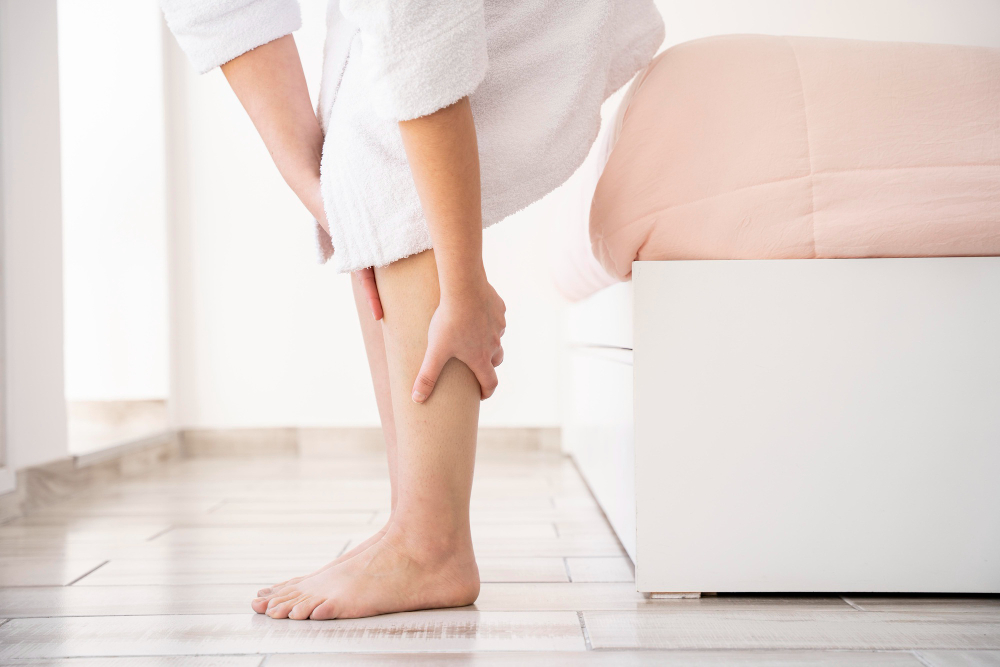
PAD involves cramping pain in the calf that worsens with walking and eases with rest. Many women, however, do not experience this pattern at all. Women and individuals from underrepresented communities are more likely to have atypical symptoms, or no noticeable symptoms, which makes the disease far easier to overlook.
- Generalized leg fatigue: A heaviness or tiredness that does not fit the usual description of cramping.
- Discomfort without a clear pattern: Pain that does not reliably appear with activity and fade with rest.
- No symptoms at all: Some women have significant artery narrowing and still feel nothing unusual day to day.
Racial and Ethnic Disparities in PAD Diagnosis
Diagnosis gaps do not stop at symptom differences. African Americans face a higher risk of developing PAD and experience disproportionately higher rates of amputation, often tied to later diagnosis and delayed treatment. These disparities reflect broader, systemic gaps in access to screening and specialist care, not differences in how seriously the disease should be taken.
Risk Factors for PAD in Women and Communities of Color
Knowing your personal risk factors can help you advocate for the screening you deserve.
- Smoking: One of the strongest modifiable risk factors for artery narrowing.
- Diabetes: Elevated blood sugar damages blood vessels over time.
- High blood pressure and high cholesterol: Both contribute to plaque buildup in the arteries.
- Age: Risk increases as you get older.
- Chronic kidney disease: Linked to higher rates of vascular disease.
- Family history: A relative with PAD or related cardiovascular disease raises your own risk.
If several of these apply to you or a family member, that is reason enough to bring it up at your next appointment, even without obvious leg symptoms.
The Cost of Delayed Diagnosis
Waiting to address PAD is never without consequence. Left unmanaged, narrowed arteries can progress to chronic limb-threatening ischemia, a severe stage of the disease that may involve non-healing wounds and, in advanced cases, amputation. Because PAD signals that atherosclerosis is affecting blood vessels throughout the body, it also raises the risk of heart attack and stroke.
When to See a Vascular Surgeon
You do not need to wait for severe pain to ask for help. If you notice unusual leg fatigue, cramping that does not fit a clear pattern, or any of the risk factors above, it is worth scheduling an evaluation with a vascular surgeon, whom patients can turn to for an accurate diagnosis.
Reach out sooner rather than later if you experience:
- Pain in your legs or feet at rest, especially at night
- A sore or wound on your foot or leg that is slow to heal
- Sudden, severe leg pain or numbness
You Deserve a Clear Answer, Not a Guess
PAD in women is underdiagnosed in New York for reasons that have nothing to do with how seriously your symptoms should be taken. Atypical presentations and longstanding gaps in care access have left too many women and families without the answers they need. You deserve a thorough, compassionate evaluation, whether your symptoms fit the textbook description or not. Our Vascular team provides personalized evaluations to ensure your treatment plan fits your health needs. Reach out today by calling +1-718-367-2555 or visiting us at 1797 Pitkin Avenue, Brooklyn, NY 11212 to schedule a consultation.