Access to quality medical care should be a fundamental right, not a privilege determined by your zip code or race. Yet, significant gaps in medical outcomes continue to affect communities of color across the country. If we want to build a fairer, healthier society, we must fully understand how to address healthcare disparities in the African American community.
This complex issue requires immediate action from patients, healthcare providers, and policymakers alike. While dedicated advocacy periods like National Minority Health Month shine a vital spotlight on these challenges, the real work must continue every single day. We will explore the root causes of these medical gaps, the importance of diverse representation, and actionable steps to build stronger health awareness for minorities. Visit the best Health & Wellness Clinic in Brooklyn at Doral Health & Wellness, or log on to www.doralhw.org.
Understanding the Root Causes of Health Inequities
To fix a broken system, you must first understand why it fails. Systemic barriers have long prevented equitable access to essential medical resources.
Economic and Geographic Barriers
Many neighborhoods simply lack well-funded hospitals, specialized clinics, or even primary care physicians. This absence forces residents to travel long distances, rely on emergency rooms for basic care, or skip important preventative screenings entirely. Furthermore, a lack of comprehensive health insurance prevents many families from seeking early treatments, allowing minor issues to become severe conditions.
Proven Strategies on How to Address Healthcare Disparities in the African American Community
Fixing these systemic issues requires intentional, community-focused solutions. Here are the most effective ways to drive meaningful, lasting change in medical spaces.
Expanding Health Awareness for Minorities
Education empowers patients to advocate fiercely for their own well-being. By expanding health awareness among minorities, communities can better navigate confusing, complex medical systems. Accessible, culturally relevant health education helps families catch chronic conditions like hypertension, heart disease, and diabetes long before they become life-threatening emergencies.
Increasing Medical Representation
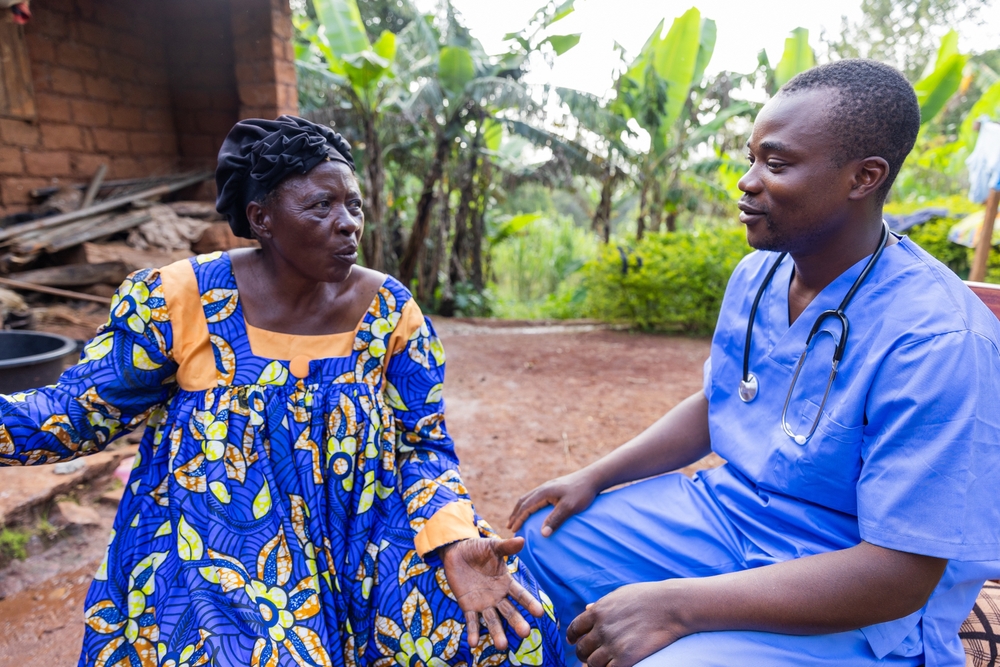
Patients consistently experience much better outcomes when treated by doctors who share or understand their cultural background. Increasing the number of Black medical professionals builds essential trust. It encourages patients to seek care earlier, ask questions, and speak openly about their symptoms without any fear of bias or dismissal.
The Power of National Minority Health Month
Public advocacy campaigns play a massive role in creating long-term health equity. Observing national minority health month forces communities and local governments to acknowledge the specific medical hurdles that people of color face daily.
This dedicated time pushes health systems to fund mobile clinics, host free community screening events, and launch neighborhood wellness programs. However, the incredible energy and funding generated during national minority health month must translate into permanent policy changes to ensure nobody gets left behind.
Take Action for a Healthier Future
Achieving true medical equity takes time, ample resources, and unwavering community commitment. We already know how to address healthcare disparities in the African American community through improved education, diverse medical staffing, and relentless patient advocacy. By year-round, heavy promotion of health awareness among minorities, we can ensure every single family receives the high-quality, respectful care they absolutely deserve.
Are you looking for a medical team that truly listens, respects your background, and advocates for your overall well-being? Reach out to our primary care department today to schedule a comprehensive wellness evaluation. We will help you celebrate National Minority Health Month by mapping out a personalized, science-backed plan for a vibrant future. For further inquiries on healthcare wellness, call us at +1-718-367-2555 to get a consultation or visit us at 1797 Pitkin Avenue, Brooklyn, NY 11212. If you need help, register your information and make direct contact with us at https://yuz88hfiyh7.typeform.com/Doralintake.