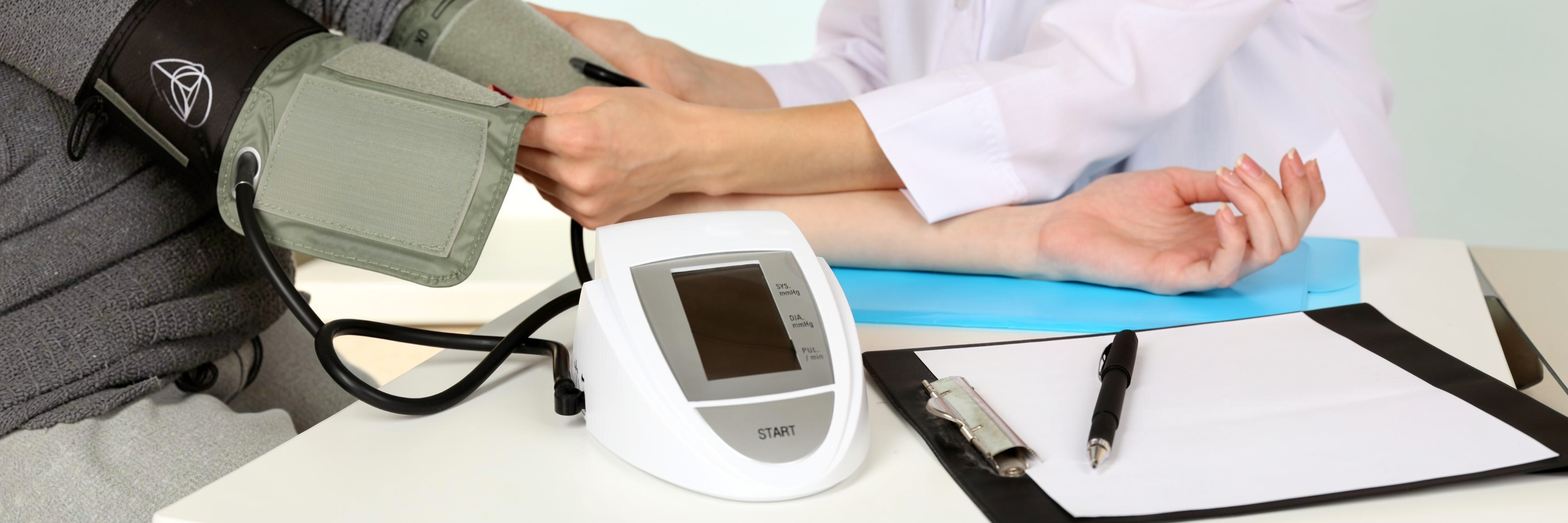
Learning that your blood pressure is high can feel unsettling, especially when you feel perfectly fine. You may worry about your heart, your future, or what a lifetime of medication might mean. Those fears are real, and you are not alone in facing them. Here is the reassuring truth: high blood pressure, or hypertension, is one of the most manageable conditions once you understand it. It often develops quietly, without warning signs, which is why learning your high blood pressure numbers is such a powerful first step. Left unchecked, hypertension carries serious risks to your heart, brain, and kidneys. The good news is that proven strategies for how to lower blood pressure can protect you for years to come. This guide walks you through what your numbers mean, the risks involved, and the steps that make a real difference.
Taking that first step is easier with a caring team beside you. Doral Health & Wellness Primary Care in Brooklyn offers integrated, compassionate care in a modern medical facility. Our specialists guide you through diagnosis, treatment, and everyday management with clarity and support. Reach out today, and let us help you protect your heart and your peace of mind.
Decoding Your High Blood Pressure Numbers
A blood pressure reading can look confusing at first. Two numbers, a slash, and a lot of uncertainty about what they mean for you. Once you understand them, that confusion turns into confidence.
Every reading has two parts, measured in millimeters of mercury (mmHg). The top number, called systolic pressure, measures the force your heart puts on your artery walls with each beat. The bottom number, called diastolic pressure, measures the force in your arteries between beats.
The American College of Cardiology (ACC) and American Heart Association (AHA) sort readings into clear categories:
- Normal – Less than 120/80 mmHg.
- Elevated – Systolic between 120 and 129 mmHg, with diastolic below 80 mmHg.
- Hypertension Stage 1 – Systolic between 130 and 139 mmHg, or diastolic between 80 and 89 mmHg.
- Hypertension Stage 2 – Systolic of 140 mmHg or higher, or diastolic of 90 mmHg or higher.
- Hypertensive Crisis – Systolic over 180 mmHg and/or diastolic over 120 mmHg. This is a medical emergency that needs immediate attention.
Knowing where your numbers fall puts power back in your hands. That knowledge helps you and your doctor decide when it is time to act.
The Silent Dangers: Understanding Hypertension Risks
Hypertension is often called the “silent killer” for a reason. It usually causes no symptoms, so it can quietly harm your body for years before you notice anything wrong. That silence is exactly why awareness matters so much.
Over time, the extra force of blood pushing through your arteries takes a toll. Here are the primary risks worth knowing:
- Heart attack and heart failure – High pressure forces your heart to work harder, thickening and weakening the muscle over time while making arteries more prone to blockages.
- Stroke – Hypertension can cause blood vessels in the brain to burst or clog more easily, leading to a stroke.
- Kidney disease – The delicate filtering vessels in your kidneys can be damaged by high pressure, weakening their ability to remove waste and excess fluid.
- Vision loss – High blood pressure can strain or damage the small blood vessels in your eyes.
- Cognitive decline – Uncontrolled hypertension is linked to a higher risk of dementia and problems with memory and thinking.
These risks are serious, but they are also largely preventable. With steady management, you can protect the organs that matter most.
How to Lower Blood Pressure: A Complete Approach
Facing a hypertension diagnosis can feel overwhelming. You may wonder whether your daily choices really make a difference. The truth is that they carry real weight.
Managing high blood pressure usually combines lifestyle changes with medication when needed. Your primary care provider works with you to build a plan that fits your life.
Lifestyle Strategies for Blood Pressure Control
Small, steady habits protect your heart day after day. Here is where to focus:
- Adopt the DASH diet – The Dietary Approaches to Stop Hypertension plan is rich in fruits, vegetables, whole grains, and low-fat dairy, and it is proven to lower blood pressure.
- Reduce sodium – Aim for less than 2,300 mg of sodium a day, or less if your doctor advises, by limiting processed foods, canned soups, and fast food.
- Stay active – Strive for at least 150 minutes of moderate aerobic exercise each week, such as brisk walking or cycling.
- Maintain a healthy weight – Losing even a modest amount of weight can have a major impact on your numbers.
- Limit alcohol and quit smoking – Excess alcohol raises blood pressure, and smoking damages your blood vessels and raises your risk of complications.
- Monitor at home – A validated home blood pressure monitor gives you and your doctor valuable data to guide your care.
These habits add up over time. When you care for your body every day, you give your treatment the best chance to work.
Medical Treatment for Hypertension
Sometimes lifestyle changes are not quite enough on their own. That is not a failure, and it is far more common than you might think. Effective medications can help.
If your blood pressure stays high, your doctor may prescribe one or more of these common types:
- Diuretics – Help your body clear excess salt and water.
- ACE inhibitors – Relax blood vessels by blocking a hormone that narrows them.
- ARBs – Work similarly to ACE inhibitors and are often used when those are not well tolerated.
- Calcium channel blockers – Ease pressure by relaxing the muscles in your blood vessel walls.
Take your medication exactly as prescribed, even when you feel fine. Consistency is what keeps your blood pressure steady and your organs protected.
Finding the Right Medical Partner in Brooklyn
Managing hypertension takes an ongoing partnership with a provider you trust. The right team explains your risks, tracks your progress, and adjusts your plan as needed. Local, caring support keeps that help within reach.
When you search for the best primary care doctor near me or a primary care doctor NY patients rely on, look for someone who listens and explains your options plainly. A trusted provider serves as the central point for your health, coordinating any specialist referrals, including to a Brooklyn nephrologist if your kidneys need extra attention. Partnering with a caring team that offers primary care near me ensures you receive consistent, comprehensive guidance tailored to your needs. That kind of relationship turns a worrying diagnosis into a clear, manageable path forward.
Taking Control of Your Blood Pressure
High blood pressure is serious, but it does not have to control your life. You now understand what your numbers mean, the risks of leaving hypertension unchecked, and the proven steps that make a difference. With early detection, steady lifestyle changes, and the right medical care, you can protect your heart, brain, and kidneys for years to come.
You do not have to face this alone. To get expert, compassionate care that puts your well-being first, contact Doral Health & Wellness today at 1-718-365-2555 or visit us at 1797 Pitkin Avenue, Brooklyn, New York 11212. Our dedicated team is ready to assess your blood pressure, personalize your treatment, and support you at every step.
For general information about Doral Health & Wellness services, you can contact or email info@doralhw.org.