Putting off a checkup is easy when you feel fine. You may worry it will take too much time, cost too much, or uncover something you would rather not know. Those hesitations are understandable, and you are not alone in having them. Here is the good news: preventive care is one of the most powerful ways to protect your long-term health, and a routine physical exam is at its heart. An annual physical gives you and your provider a chance to check your overall health, spot potential risks, and catch problems before they grow serious. This visit is far more than a quick check-in. Understanding the screenings and tests involved helps you take an active role in your well-being. This guide walks you through what to expect and why it matters.
Taking that first step is easier with a caring team beside you. Doral Health & Wellness Primary Care in Brooklyn offers thorough, compassionate primary care in a modern medical facility. Our expert providers give you personalized guidance and steady support through every stage of your health journey. Reach out today, and let us help you build a strong foundation for a healthier future.
What is a Physical Exam? More Than a Check-Up
Skipping a physical because you feel healthy is a common choice. The trouble is that many serious conditions show no symptoms in their early stages. That silence is exactly why a routine exam matters so much.
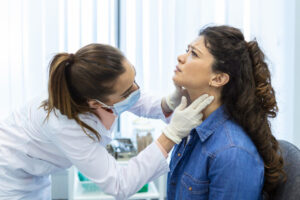
An annual physical is a full assessment of your body and lifestyle, performed by your primary care provider. The main goal is to prevent future problems and catch existing ones while they are still easy to treat. This visit also sets a baseline for your health, so your doctor can track changes over time and build a trusted relationship with you.
During the exam, your doctor will typically:
- Review your history – Going over your personal and family medical background.
- Check your vital signs – Measuring things like blood pressure, heart rate, and temperature.
- Perform a physical assessment – Examining your body for any signs of concern.
- Discuss your lifestyle – Talking through diet, exercise, and any substance use.
- Order preventive screenings – Recommending the right lab tests and screenings for you.
Each step adds to a clearer picture of your health. Together, they help your provider guide you with confidence.
Key Preventive Screenings During Your Physical
Wondering which tests you actually need is natural. The right screenings depend on your age, sex, risk factors, and family history. These evaluations are built to catch signs of disease before you feel a thing.
Cardiovascular Health Screenings
Heart disease remains a leading cause of death, but many of its risk factors respond well to early action. Catching them sooner protects your heart for years to come.
- Blood pressure screening – Checked at every visit, since consistently high readings can damage your arteries and raise your risk of heart attack, stroke, and kidney disease.
- Cholesterol panel – A blood test that measures total cholesterol, LDL (“bad”) cholesterol, HDL (“good”) cholesterol, and triglycerides, since high levels can lead to plaque buildup in your arteries.
Knowing these numbers puts you in control. Small changes today can protect your heart tomorrow.
Metabolic and Endocrine Screenings
These tests look for signs of conditions that can quietly affect your whole body. Early detection often means simpler, more effective treatment.
- Blood glucose test – Screens for prediabetes and type 2 diabetes by measuring the sugar in your blood, so lifestyle changes can prevent or delay full-blown diabetes.
- Thyroid function test – Checks how well your thyroid works if you have symptoms like fatigue, weight changes, or mood swings.
A simple blood draw can reveal a great deal. That early insight gives you time to act.
Cancer Screenings
Early detection is one of the most powerful tools against many cancers. Your provider will recommend screenings based on established guidelines.
- Colorectal cancer screening – Usually begins at age 45 for those at average risk, with options including a stool-based test or a colonoscopy.
- Breast cancer screening – Mammograms help detect breast cancer in women, with timing based on age and risk.
- Cervical cancer screening – Pap tests and HPV tests screen women for cervical cancer.
- Prostate cancer screening – Your doctor will discuss the benefits and risks of PSA blood testing for men.
The right screenings for you depend on your personal risk profile. A trusted provider tailors these recommendations to fit your needs.
Why a Consistent Doctor Relationship Matters
Seeing a different provider each visit can leave gaps in your care. When no one knows your history, subtle changes are easy to miss. That continuity is more valuable than it may seem.
When you see the same doctor for your annual visits, they come to know your health history and what is normal for you. This familiarity makes it far easier to notice small shifts that might otherwise slip by, which supports earlier detection and better outcomes.
Finding a provider you trust is the goal. The best doctor for you listens to your concerns, answers your questions thoroughly, and partners with you to build a personalized health plan. That kind of relationship turns routine visits into real peace of mind.
How to Prepare for Your Annual Physical
Walking in unprepared can leave important questions unasked. A little planning helps you get the most from your time. These simple steps make your visit more productive.
- Compile your medical history – Write down your personal and family health history, including chronic conditions and significant illnesses.
- List your medications – Include all prescriptions, over-the-counter drugs, vitamins, and supplements you take.
- Prepare your questions – Note any health concerns you want to discuss, and remember that no question is too small.
Coming ready helps your provider address everything that matters to you. Good preparation leads to better care.
Your Trusted Partner in Preventive Health
Your health is your most valuable asset, and preventive care is one of the smartest investments you can make in it. You now understand what a physical exam involves, the key screenings that protect you, and how to prepare for your visit. With regular exams and a trusted provider, you can catch issues early and stay ahead of serious problems.
If it has been a while since your last physical, do not wait to take that next step. To get expert, compassionate care that puts your well-being first, contact Doral Health & Wellness today at 1-718-365-2555 or visit us at 1797 Pitkin Avenue, Brooklyn, New York 11212. Our dedicated primary care team is ready to assess your health, personalize your care, and support you toward a healthier future.
For general information about Doral Health & Wellness services, you can contact or email info@doralhw.org.