Smoking is one of the strongest risk factors for peripheral artery disease, a condition that narrows the arteries carrying blood to your legs. Cigarette chemicals damage artery walls, encourage plaque buildup, and constrict blood vessels, reducing circulation over time. Quitting smoking slows this damage, lowers the risk of complications like non-healing wounds or amputation, and gives treatment a real chance to work.
If you or your loved one has been told about peripheral artery disease, the diagnosis can feel overwhelming. You may be wondering what it means for daily life, for mobility, and for the future. One thing is clear: the choices made now, especially around smoking, can shape how this condition progresses.
What Is Peripheral Artery Disease and Why Does It Affect Your Legs?
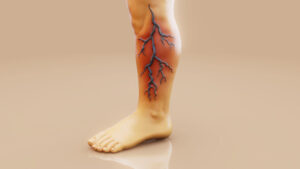
Peripheral artery disease develops when arteries narrow due to plaque buildup, a process called atherosclerosis. When this happens in the legs, blood flow slows down, and muscles and tissue do not get the oxygen they need. Your loved one might notice leg pain or cramping while walking that eases with rest, numbness, coldness in one leg, or slow-healing sores on the feet. Some people experience very mild symptoms or none at all, which is part of what makes awareness so important
How Does Smoking Cause Peripheral Artery Disease?
Cigarette smoke damages the inner lining of the arteries. This damage makes it easier for plaque to build up and harder for blood to move freely. Smoking also causes blood vessels to constrict, adding further strain on circulation already struggling under narrowed arteries. According to the National Heart, Lung, and Blood Institute, smoking is a leading modifiable risk factor for peripheral artery disease, alongside diabetes, high blood pressure, and high cholesterol
Why Does Quitting Smoking Help Save Your Legs?
Here is the encouraging part: quitting smoking at any stage can make a real difference.
- Slower disease progression: Stopping smoking reduces ongoing damage to artery walls, giving the body a chance to stabilize.
- Lower risk of serious complications: Continued smoking raises the risk of advanced disease, including wounds that will not heal and, in severe cases, limb loss. Quitting lowers that risk.
Your loved one does not have to face this change alone. A vascular surgeon Brooklyn families trust can help build a cessation plan that fits individual needs and health history.
When Should You See a Vascular Surgeon
If leg pain, numbness, or slow-healing sores are part of daily life, it is time to talk with a specialist. Diagnosis often involves a simple ankle-brachial index test along with imaging to assess blood flow. Early evaluation by a vascular surgeon Brooklyn families can rely on gives your loved one more options and a better outlook. Waiting rarely helps, and advanced, untreated disease can progress quickly toward serious complications.
Taking the Next Step Toward Healthier Legs
Peripheral artery disease can feel frightening, especially when a loved one’s mobility and independence are at stake. But quitting smoking is one of the most powerful steps toward protecting circulation and preserving quality of life. You are not navigating this alone, and support is close by. Our Vascular team provides personalized evaluations to ensure your treatment plan fits your health needs. Reach out today by calling +1-718-367-2555 or visiting us at 1797 Pitkin Avenue, Brooklyn, NY 11212, to schedule a consultation.