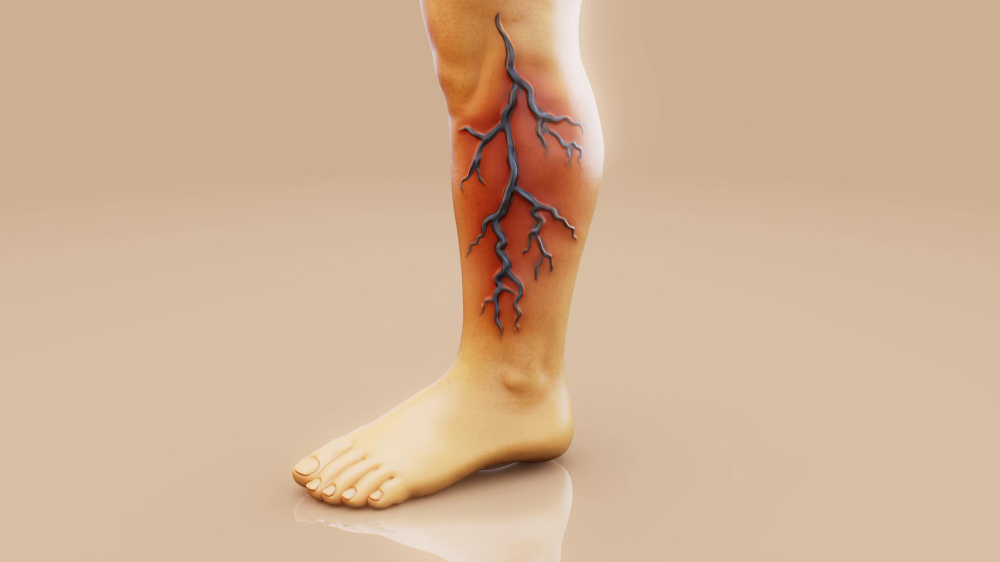
Critical limb ischemia is the most advanced stage of peripheral artery disease, marked by severe rest pain, non-healing sores, or gangrene in the foot or leg. Blood flow is so restricted that tissue begins to break down. Delaying evaluation raises the risk of infection and limb loss, so prompt care from a vascular surgeon is essential.
A dull ache in your foot that does not go away. A small wound on your toe that refuses to heal, week after week. These are not small problems to wait out. They may be signs of critical limb ischemia, a serious circulation condition that needs attention sooner rather than later.
What Is Critical Limb Ischemia?
Critical limb ischemia develops when the arteries supplying blood to the legs and feet become so narrowed or blocked that tissue no longer gets enough oxygen. It represents the most severe form of peripheral artery disease.
Plaque buildup inside the arteries, a process called atherosclerosis, is usually the underlying cause. Over time, this buildup restricts blood flow until the body can no longer keep tissue healthy, even while resting.
Warning Signs: Rest Pain, Non-Healing Sores, and Gangrene
Rest pain is one of the clearest signals that something is wrong. Unlike the leg cramping some people feel while walking, rest pain often shows up in the foot or toes at night and may ease somewhat when the leg hangs over the edge of the bed.
Other warning signs include:
- Non-healing sores: Small wounds or ulcers on the toes, feet, or ankles that do not improve over weeks.
- Color and temperature changes: Skin that looks pale, bluish, or unusually cool to the touch.
- Gangrene: Tissue that has turned black or died due to a complete lack of blood supply, a medical emergency.
Any of these symptoms deserve prompt attention from a vascular surgeon Brooklyn families can trust for timely evaluation.
The Wait-and-See Trap: Why Delaying Care Is Dangerous
It is tempting to hope a sore will heal on its own or that the pain will fade. Unfortunately, critical limb ischemia tends to move in the opposite direction.
Untreated, advanced disease can progress quickly toward infection, tissue death, and in severe cases, limb loss. Every week spent waiting is a week the affected tissue continues losing the blood supply it needs to survive. Early evaluation gives you more treatment options and a better chance at preserving the limb.
How a Vascular Surgeon Evaluates and Treats Critical Limb Ischemia
Diagnosis typically starts with an ankle-brachial index test, a simple comparison of blood pressure in the ankle and arm, followed by imaging to map out exactly where blood flow is restricted.
Treatment is tailored to each person’s situation and may include:
- Risk-factor management: Addressing smoking, diabetes, high blood pressure, and cholesterol, since these conditions accelerate artery damage.
- Medication: Drugs that improve blood flow and reduce clotting risk.
- Minimally invasive procedures: Techniques like angioplasty or stenting to reopen narrowed arteries.
- Bypass surgery: Rerouting blood flow around a severely blocked artery when needed.
When to See a Vascular Surgeon
If rest pain, a non-healing sore, or skin discoloration has become part of daily life, it is time to schedule an evaluation. Waiting rarely improves the outlook, and symptoms of critical limb ischemia can worsen faster than expected.
A vascular surgeon Brooklyn patients rely on can assess your circulation, explain your options in plain language, and build a treatment plan suited to your health history.
Taking the Next Step for Your Legs
Living with rest pain or a wound that will not heal is frightening, and it is reasonable to want quick answers. The good news is that critical limb ischemia is treatable, especially when caught early.
You do not have to figure this out on your own. Our Vascular team provides personalized evaluations to ensure your treatment plan fits your health needs. Reach out today by calling +1-718-367-2555 or visiting us at 1797 Pitkin Avenue, Brooklyn, NY 11212 to schedule a consultation.