Malnutrition refers to deficiencies, excesses, or imbalances in a person’s intake of nutrients. The main types include undernutrition, micronutrient deficiency, and overnutrition. Each type carries serious health risks, but with the right nutritional support, they are manageable and often preventable.
Malnutrition is more common than most people realize. It does not only affect those who are not eating enough. A person can be overweight and still be malnourished. A child can appear healthy on the outside while quietly lacking the vitamins their body needs to grow. Understanding the different types of malnutrition is the first step toward protecting your health or the health of someone you love.
Key Types of Malnutrition
Malnutrition falls into two broad categories: undernutrition and overnutrition. Within these, there are specific conditions that affect the body in different ways.
What Is Undernutrition?
Undernutrition occurs when the body does not receive enough energy, protein, or essential nutrients to function properly. It is most common in children, older adults, and people recovering from illness.
There are three main forms:
- Wasting: Low weight relative to height, often caused by sudden or severe food shortage. It weakens the immune system and increases the risk of serious infection.
- Stunting: Low height for age, caused by prolonged poor nutrition. It affects physical growth and brain development in children.
- Underweight: A combination of both wasting and stunting, meaning a child is below the expected weight for their age.
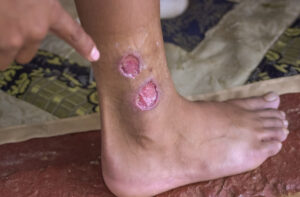
Undernutrition can slow wound healing, reduce energy levels, and make it harder to recover from illness.
What Is Micronutrient Deficiency?
Micronutrient deficiency, sometimes called “hidden hunger,” happens when the body lacks essential vitamins and minerals, even if calorie intake appears adequate.
Common deficiencies include:
- Iron deficiency: The most widespread nutritional deficiency globally. It leads to anemia, fatigue, and impaired concentration.
- Vitamin A deficiency: Can cause vision problems, especially in low light, and increases vulnerability to infection.
- Iodine deficiency: Affects thyroid function and, in pregnant women, can impact the neurological development of the baby.
- Vitamin D deficiency: Weakens bones and immune function, and is particularly common in older adults who spend little time outdoors.
Micronutrient deficiencies often go unnoticed for years, which is part of what makes them so concerning.
What Is Overnutrition?
Overnutrition occurs when calorie intake consistently exceeds what the body needs, leading to excess weight, obesity, and related health conditions such as type 2 diabetes, heart disease, and high blood pressure.
A person can be overnourished and still lack key micronutrients. This is sometimes called the “double burden” of malnutrition, and it is increasingly common in both urban and suburban communities.
How a Nutritionist Can Help
No matter which type of malnutrition affects you or your family member, a nutritionist can help you find a clear path forward.
A qualified nutritionist will assess your current diet, identify gaps, and build a personalized plan that fits your lifestyle and health needs. For older adults recovering from illness or surgery, nutritional support can speed recovery and reduce the risk of hospital readmission. For children, early intervention can protect long-term development.
Working with a nutritionist means you are not guessing. You are making informed, evidence-based decisions about food and health.
Finding Nutritional Experts in Brooklyn
If you are in Brooklyn and looking for nutritional experts, having access to qualified, compassionate support close to home makes a real difference. Local nutritionists understand the communities they serve and can offer culturally responsive guidance that fits your family’s needs and food traditions.
Whether you are managing a diagnosis, supporting a loved one through recovery, or simply trying to build healthier habits, connecting with nutritional experts in Brooklyn is a practical first step.
Small Changes, Real Results
Malnutrition in any form takes a toll on the body, but it is not something you have to navigate on your own. With the right support, even small dietary adjustments can lead to meaningful improvements in energy, recovery, and overall health.
Reach out to us today by calling us at +1-718-367-2555 or visit us at 1797 Pitkin Avenue, Brooklyn, NY 11212 to connect with a nutritional expert who can help you or your loved one get the care and guidance you deserve.