Protein does more than build muscle. It powers your immune system, repairs damaged tissue, regulates fluid balance, and keeps vital organs functioning properly. When the body is deprived of enough protein and energy over time, it begins to break down — quietly, gradually, and often without obvious warning. That is what makes protein energy malnutrition so easy to miss.
The 5 warning signs of protein energy malnutrition you should not ignore are frequently mistaken for normal aging, stress, or general fatigue. By the time a diagnosis is made, the damage can already be significant. Knowing what to look for — and acting on it early — can protect you or your loved one from serious, long-term complications.
5 Warning Signs of Protein Energy Malnutrition You Should Not Ignore
1. Rapid Muscle Loss and Unexplained Weakness
Muscle wasting is one of the earliest and most telling signs of protein energy malnutrition. Without adequate protein intake, the body begins breaking down muscle tissue for fuel. Over time, this leads to visible muscle loss, reduced physical strength, and difficulty with everyday tasks — standing up from a chair, climbing stairs, or carrying even light items.
In older adults, this kind of muscle loss dramatically increases the risk of falls and serious injury. In children, it can manifest as stunted growth and delayed development. If you notice your loved one growing noticeably weaker without a clear cause, this warrants prompt attention.
2. Persistent Swelling (Edema)
Swelling in the abdomen, legs, feet, or hands — particularly when it appears without an obvious injury — can signal a serious drop in protein levels. This occurs because protein helps regulate fluid balance in the body’s tissues. When those levels fall too low, fluid leaks into surrounding tissue and accumulates.
In children, a swollen belly alongside thin limbs is a hallmark sign of kwashiorkor, one of the most severe forms of protein-energy malnutrition. In adults, unexplained edema that keeps returning deserves careful evaluation from a qualified nutritionist or healthcare provider.
3. Slow Wound Healing and Compromised Skin
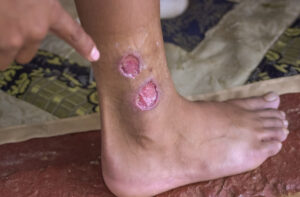
Protein plays a central role in producing collagen and cytokines — both essential for tissue repair. When protein levels are insufficient, cuts, bruises, and surgical wounds take far longer to close. Skin may become dry, flaky, or prone to unexplained rashes and sores.
For your loved one recovering from surgery or managing a chronic illness, slow healing is not a minor inconvenience. It is a sign that the body lacks the building blocks it needs to repair itself. A nutritionist consultant in Brooklyn can help identify whether nutritional gaps are driving these healing delays and develop a plan to address them.
4. Frequent Infections and Weakened Immunity
The immune system depends on protein to produce antibodies — the body’s primary defense against bacteria and viruses. Protein energy malnutrition compromises this defense significantly, leaving the body less equipped to fight off illness and slower to recover when it does fall sick.
If your loved one seems to catch every seasonal illness, struggles to recover from infections that others shake off quickly, or experiences recurring respiratory or digestive issues, protein deficiency may be contributing. Early nutritional intervention can help restore immune function before complications set in.
5. Hair Loss, Brittle Nails, and Skin Changes
Protein supplies the raw materials for keratin, collagen, and elastin — structural proteins that maintain the health of hair, nails, and skin. A sustained deficiency disrupts this production, leading to thinning or shedding hair, nails that split or break with minimal pressure, and skin that appears dull, dry, or discolored.
Unexpected changes in hair pigmentation — where the hair fades or lightens in patches — can also indicate protein energy malnutrition. These changes are easy to dismiss as cosmetic concerns, but they often reflect deeper nutritional deficits that require professional assessment.
What To Do If You Notice These Signs
The warning signs above are your body’s way of asking for help. Left unaddressed, protein energy malnutrition can lead to organ damage, irreversible muscle loss, immune failure, and in severe cases, life-threatening complications. The good news is that early intervention — guided by a knowledgeable nutritionist — can prevent much of this harm.
If you or your loved one is experiencing any combination of these symptoms, do not wait for them to resolve on their own. Our nutritionists are here to support you with compassionate, evidence-based care tailored to your individual health needs. A nutritionist can assess your nutritional status, identify deficiencies, and create a personalized recovery plan that works for your lifestyle and medical situation.
Reach out today by calling us at +1-718-367-2555 or visit us at 1797 Pitkin Avenue, Brooklyn, NY 11212. Seeking the right support early is the most important step you can take.