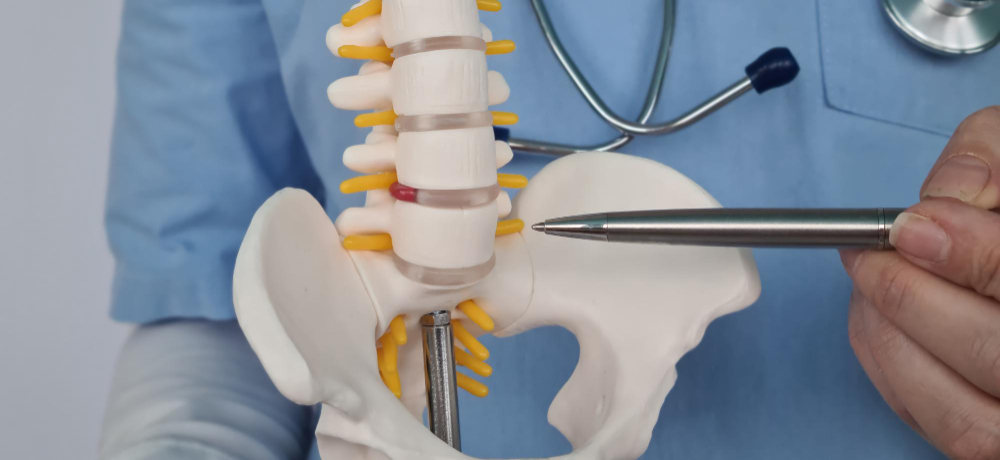
That sharp pain shooting from your lower back down through your leg. It stops you mid-step. It wakes you at night. If this sounds familiar, you may be living with sciatica, and you are not alone.
Sciatica happens when the sciatic nerve, the longest nerve in your body, becomes compressed or irritated. Millions of people feel it every year, and for many, it turns simple tasks like sitting, standing, or picking up a grandchild into a struggle.
Here is the good news. Sciatica is treatable, and relief is closer than you think. This guide walks you through what causes the pain, how it is diagnosed, and the real steps you can take to feel like yourself again.
What Sciatica Feels Like and Why It Happens
The pain is hard to ignore. It often travels along one side of your body, from your lower back into your hip, leg, and sometimes your foot.
Common causes include:
- Herniated discs: When a spinal disc slips out of place and presses on the nerve.
- Spinal stenosis: A narrowing of the spinal canal that crowds the nerve.
- Piriformis syndrome: When a muscle deep in the buttock tightens and pinches the nerve.
- Everyday strain: Long hours sitting, heavy lifting, or poor posture can all play a part.
Understanding the root cause matters. It shapes the treatment that will actually work for you. Many families who care for an aging parent or a recovering loved one find that reviewing symptoms with a home-based care team, like our in-home medical visits, makes the first step far less overwhelming.
Finding Relief: Treatment Options That Work
You do not have to accept the pain as your new normal. Most cases of sciatica improve with the right, personalized approach.
Conservative Care First
For many people, gentle steps bring meaningful relief:
- Physical therapy to strengthen your back and ease pressure on the nerve.
- Stretching and movement to keep the area from stiffening further.
- Heat and cold therapy to calm inflammation and soothe muscles.
- Over-the-counter support when recommended by a professional.
If home care and gentle movement are not enough, it may be time to speak with experienced Pain Management Doctors who can pinpoint the source of your discomfort.
When to See a Specialist
Some symptoms need prompt attention. Reach out to a professional if you notice:
- Pain that lasts longer than a few weeks
- Weakness or numbness in your leg
- Loss of bladder or bowel control (seek care immediately)
Skilled Pain Management Doctors can offer targeted treatments, from guided injections to advanced therapies. If you are searching for trusted pain management in Brooklyn, look for a team that builds a plan around your daily life, not a one-size-fits-all script. Our guide to managing chronic pain at home offers practical comfort tips you can start using today.
Care That Comes to You
Getting to appointments can feel like its own hurdle, especially after surgery or during recovery. That is where flexible, at-home support changes everything.
With reliable pain management in Brooklyn brought directly to your door, you get expert care without the stress of travel. Our compassionate providers coordinate treatment, track your progress, and keep your family informed every step of the way.
Take the First Step Toward Relief
Sciatica does not have to control your days or your nights. With the right plan and a caring team beside you, real relief is within reach.
You deserve to move freely again. Reach out today by calling us at +1-718-367-2555 or walking into our clinic at 1797 Pitkin Avenue, Brooklyn, NY 11212, to connect with our compassionate pain management team and start your personalized path to feeling better.