CTA scan preparation involves fasting for 4–6 hours before the procedure and following specific iodine contrast guidelines, including disclosing kidney function, allergies, and current medications. A vascular health specialist will review your medical history to confirm you are a safe candidate for contrast-enhanced imaging.
Getting scheduled for a CTA scan can bring up a lot of questions. What can you eat beforehand? What happens if you have a reaction to the dye? Knowing what to expect and what is expected of you makes the experience far less stressful and helps your care team get the clearest results possible.
CTA scan preparation is straightforward when you understand the reasoning behind each step. This guide walks you through fasting requirements and iodine contrast guidelines so you can arrive ready and confident.
Why CTA Scan Preparation Matters for Accurate Results
A CT angiography (CTA) scan uses X-ray technology and iodine-based contrast dye to produce detailed images of your blood vessels. The contrast dye highlights your arteries and veins, allowing your care team to identify blockages, narrowing, or other vascular conditions that could affect your health.
Skipping or misunderstanding preparation steps does not just cause inconvenience; it can affect image quality or, in some cases, create health risks. Following your preparation instructions carefully gives your vascular health specialist the clearest picture of what is happening inside your body.
Fasting Guidelines Before a CTA Scan
How Long Should You Fast?
Most patients are asked to avoid solid food for four to six hours before a CTA scan. Clear liquids, such as water, black coffee, and plain tea, are generally permitted up to two hours before the procedure, though your care team may adjust this based on your specific health situation.
Fasting reduces the risk of nausea, which some patients experience when iodine contrast is injected. An empty stomach also supports a smoother, safer procedure overall.
What You Should Not Eat or Drink
In the hours before your scan, avoid:
- Solid meals: Heavy foods take longer to digest and increase the likelihood of nausea during the scan.
- Dairy products: These can interact with digestive discomfort when contrast dye is administered.
- Alcohol: Alcohol can affect kidney function, which plays a key role in how your body processes and clears the contrast agent.
If you have diabetes, speak with your care team before fasting. Adjustments to your medication schedule may be needed to keep your blood sugar stable.
Iodine Contrast Guidelines: What to Know Before Your Scan
What Is Iodine Contrast Dye?
Iodine contrast is a liquid injected into a vein before or during the CTA scan. It travels through your bloodstream and makes your blood vessels visible on the imaging. Without it, many vascular conditions would be difficult or impossible to detect.
Most patients tolerate contrast dye well. A warm, flushing sensation during injection is common and typically passes within minutes.
Who Should Disclose Medical History Before Receiving Contrast?
Before your scan, your care team needs to know about:
- Kidney disease or reduced kidney function: The contrast agent is filtered through the kidneys. Impaired kidney function can make clearance more difficult and may require additional monitoring or an alternative approach.
- Previous allergic reactions to contrast dye: A prior reaction does not automatically disqualify you from receiving contrast, but pre-treatment with antihistamines or steroids may be recommended.
- Thyroid conditions: Iodine can affect thyroid function, so patients with certain thyroid disorders need to inform their physician in advance.
- Metformin use: Patients taking metformin for diabetes are often advised to pause the medication around the time of the scan, as a precaution related to kidney function and contrast clearance.
A vascular health specialist at your vascular clinic in Brooklyn will review all of this with you before scheduling the procedure.
What to Bring and Expect on the Day of Your Scan
Arrive at your vascular clinic in Brooklyn with a list of your current medications, any known allergies, and your insurance information. Wear comfortable clothing without metal zippers or clasps, as these can interfere with imaging.
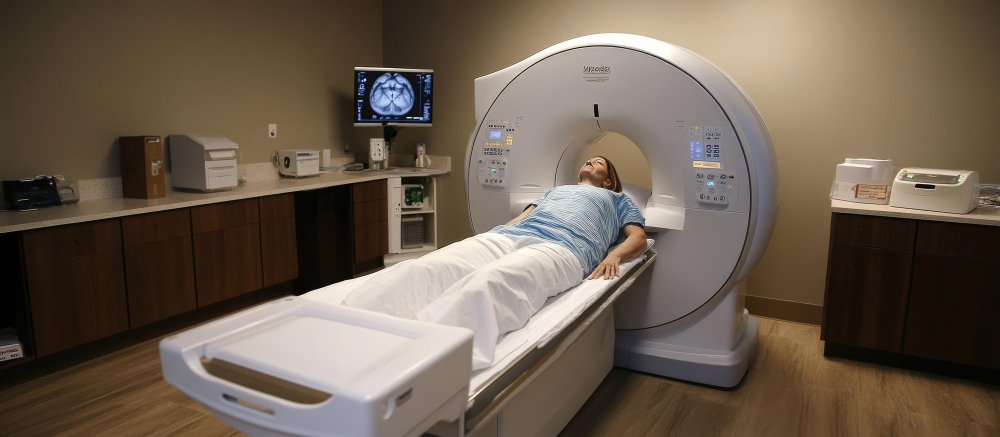
The scan itself typically takes 10 to 30 minutes. You will lie still on a table that moves through the imaging machine while the contrast is injected through an IV. After the procedure, drinking plenty of water helps your kidneys flush the contrast agent from your body.
Take the Next Step With Confidence
Preparing for a CTA scan does not have to feel overwhelming. Fasting and iodine contrast guidelines exist to protect you and ensure your results are as accurate as possible.
Our vascular team is here to answer your questions and walk you through every step of your preparation. Whether you are scheduling your first scan or managing an ongoing vascular condition, our team is ready to help. Reach out today by calling 1-347-384-5690 or visiting us at 1797 Pitkin Avenue, Brooklyn, New York 11212 to connect with a vascular health specialist who will guide your care from start to finish.