Facing your first dialysis session can feel frightening. You have heard the word “needles,” you have imagined hours in a chair, and now you are wondering one thing above all else. Is dialysis painful? The honest answer brings relief for most people. The treatment itself is not painful, though you may feel brief discomfort when the needles go in. The dialysis treatment itself is painless, and people usually get used to the equipment over time. In this guide, you will learn what the first treatment truly feels like, which side effects to watch for, and practical steps to stay comfortable from day one.
Starting dialysis is a big step, and you do not have to take it alone. At Doral Health & Wellness Dialysis, our experienced kidney care team walks with you through every stage, answering your questions and easing your worries before your first session. If you have been searching for a trusted dialysis center near me, we are here in your community with compassionate, expert care. Reach out today to talk with a specialist who understands exactly what you are going through.
What Does Dialysis Feel Like During Hemodialysis?
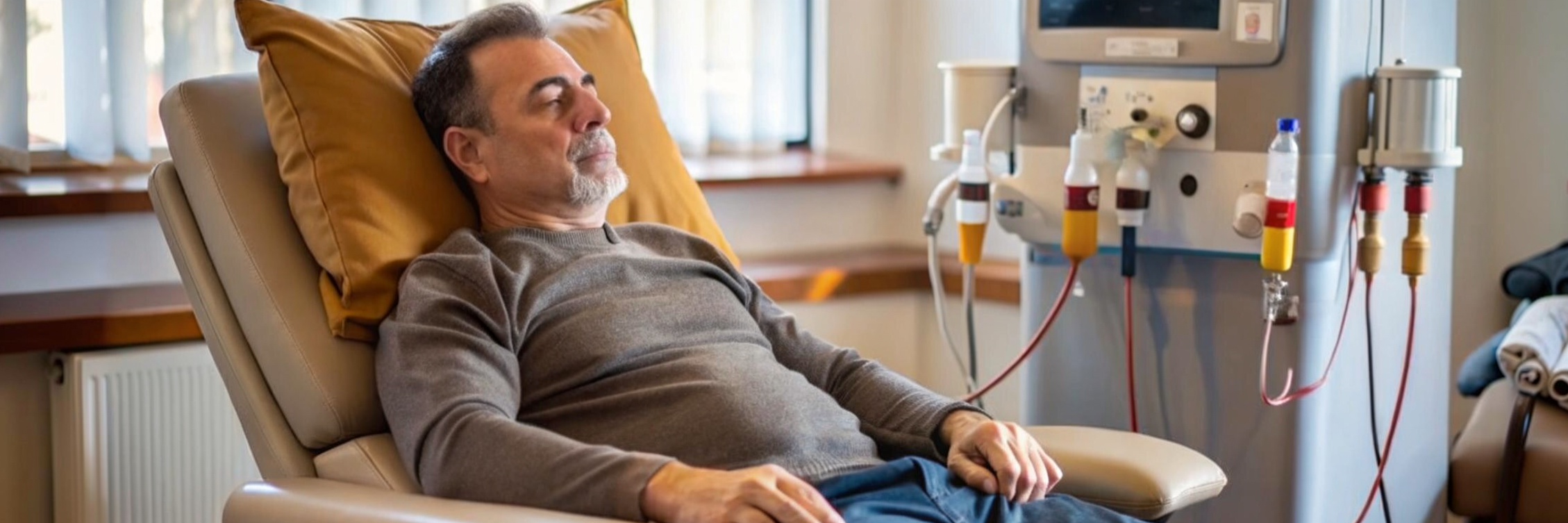
The fear of pain is real, and it deserves a clear answer. During hemodialysis, your blood flows through a filter called a dialyzer that removes waste and extra fluid, then returns the clean blood to your body. Most people feel nothing unusual while their blood is being filtered.
You sit or recline in a comfortable chair for the session. Many patients use this time to watch TV, read, nap, or chat with others nearby. A typical in-center session lasts three to five hours, usually three times a week.
So the machine work itself does not hurt. What you may notice instead is the moment the needles are placed, and that part is short. If you are looking for a nephrologist near me who can explain the full process before you begin, a good kidney doctor makes the first visit far less stressful.
How Does Needle Insertion Feel?
Needles are the number one worry, so let’s be direct. During hemodialysis, two needles are inserted into your arm through your access site and taped in place. You may feel a quick pinch or sting as they go in.
That discomfort is brief. A numbing cream or spray can be used if placing the needles bothers you. Many patients ask for this at their first few sessions, then find they no longer need it once they get used to the routine.
- Ask about numbing options – Request a numbing cream or spray before insertion if you feel anxious.
- Breathe and relax your arm – A tense arm can make the pinch feel sharper than it is.
- Speak up early – Tell your nurse if something feels wrong, since they can adjust quickly.
The takeaway is simple. The needle stick lasts seconds, and comfort tools are always available.
Is Peritoneal Dialysis Less Painful?
Some people worry that every type of dialysis involves needles. That is not the case, and this matters if needles are your biggest fear.
Peritoneal dialysis works differently. Instead of filtering your blood through a machine, it uses the lining of your belly as a natural filter. A soft catheter placed during a minor surgery carries cleansing fluid in and out of your abdomen. Because there is no needle stick with each treatment, the pain linked to needles is not part of daily peritoneal dialysis.
You may feel a sense of fullness or mild pressure as the fluid fills your belly. Most people adjust to this feeling quickly. A Brooklyn dialysis provider can help you compare both options and choose the one that fits your body and your daily life.
Common Side Effects to Expect
Knowing what might happen removes much of the fear. Dialysis is safe, but your body is adjusting to big changes in fluid and minerals, so some side effects are common. Here is what to watch for:
- Muscle cramps – These can happen as fluid is removed, and adjusting your treatment or fluid intake often helps.
- Low blood pressure – A drop in blood pressure may leave you dizzy, weak, or nauseated during a session.
- Fatigue – Feeling tired or washed out for a few hours after treatment is common, especially at first.
- Nausea – You may feel queasy as excess fluid leaves your body, particularly if you gained fluid between sessions.
- Itchy skin – Many patients notice itching during or just after treatment.
Every person responds differently, so you may experience only one or two of these. Your care team can treat most side effects quickly and easily once you report them.
Why Do These Side Effects Happen?
The reason is straightforward. Your kidneys once balanced fluid and minerals around the clock, and dialysis does that work in a few hours. That fast shift is what triggers cramps, blood pressure changes, and nausea.
The good news is that longer or more frequent treatments tend to cause fewer of these problems. A skilled nephrologist in NY can fine-tune your dialysis prescription so your sessions feel smoother over time.
Tips to Manage Discomfort and Feel Better
Small habits make a real difference in how each session feels. You have more control than you might think, and these steps come straight from trusted kidney care guidance.
- Watch your fluid intake – Staying within your recommended limits between sessions reduces cramps and nausea.
- Follow your meal plan – A kidney dietitian can build a plan that limits sodium, potassium, and phosphorus.
- Care for your access site – Wash it daily and check for warmth or redness to prevent infection.
- Report symptoms early – Telling your team about discomfort lets them adjust your treatment fast.
- Ask about numbing options – Simple creams or sprays ease needle-related worry.
By following these steps, you can turn a stressful experience into a manageable part of your week. If side effects continue, a dialysis center near me with an attentive team can adjust your plan for lasting comfort.
The Bottom Line
So, is dialysis painful? For most people, the honest answer is no. You may feel a quick pinch during needle insertion and some mild side effects as your body adjusts, but the treatment itself does not hurt, and comfort tools are always within reach. With the right team, your sessions become easier, safer, and far less frightening than you feared.
You deserve kidney care that treats you with patience and respect. To learn more about your options or to schedule a visit, contact Doral Health & Wellness today at 1-718-365-2555 or visit us at 1797 Pitkin Avenue, Brooklyn, New York 11212. Whether you need a nephrologist near me or want to explore Brooklyn dialysis services, our team is ready to guide you every step of the way. For general information about Doral Health & Wellness services, you can contact or email info@doralhw.org.