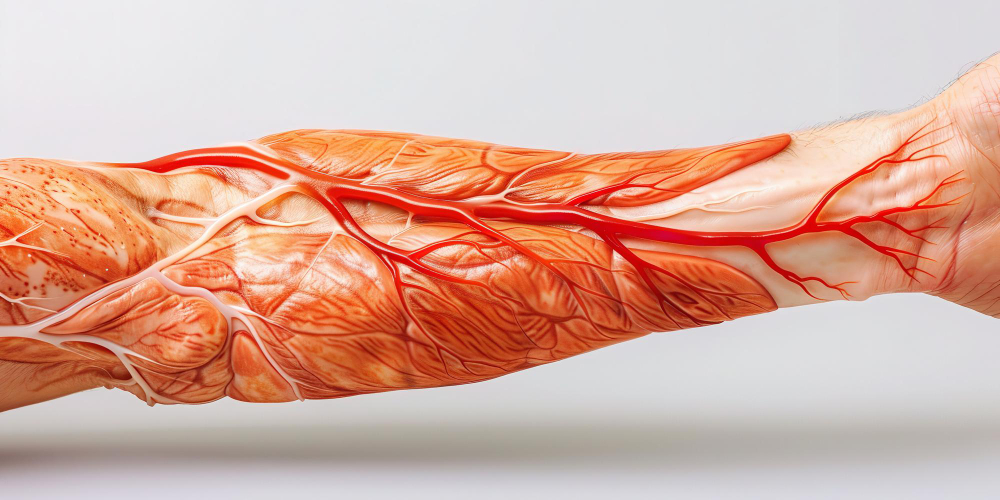
If you or your loved one lives with diabetes, poor circulation may already feel like a constant worry. Cold feet, slow-healing sores, cramping legs. These small signs are easy to brush aside. But together, they may point to something more serious.
Peripheral Artery Disease (PAD) narrows the arteries that carry blood to your legs and feet. For most people, it develops slowly. For people with diabetes, it moves faster, cuts deeper, and often hides its warning signs until real damage is done. Understanding why this happens is the first step toward protecting the ones you care about. In the sections below, you will learn what makes PAD so dangerous for diabetic patients, the warning signs to watch, and when it is time to call for help.
What Makes Peripheral Artery Disease (PAD) So Risky With Diabetes
High blood sugar does not just affect energy or weight. Over time, it damages the inner walls of your arteries, making them stiff and clogged with plaque. This same process happens in PAD, so the two conditions feed each other.
Here is why the combination is especially harmful:
- Faster artery damage. High glucose speeds up plaque buildup, so arteries narrow sooner and more severely.
- Hidden symptoms. Diabetes-related nerve damage, called neuropathy, dulls pain signals. Your loved one may not feel the leg cramps that usually warn of trouble.
- Slower healing. Reduced blood flow means small cuts and blisters take longer to heal, and sometimes they do not heal at all.
- Higher amputation risk. According to the CDC, diabetes is a leading cause of lower-limb amputations, and PAD is often the reason behind them.
The takeaway is simple. When diabetes and PAD appear together, the stakes rise quickly. Early attention makes all the difference.
Warning Signs Families Should Never Ignore
Because pain is often muted, families frequently spot the trouble before the patient does. Knowing what to look for helps you act sooner.
Watch closely for:
- Sores or wounds on the feet that heal slowly or not at all
- Skin on the legs that looks pale, bluish, or shiny
- Cold feet, even in a warm room
- Leg cramping while walking that eases with rest
- Weak or absent pulses in the feet
If you notice any of these signs, do not wait. A quick evaluation from a vascular surgery doctor can catch problems while they are still treatable.
When to Bring in a Specialist
Not every leg cramp needs a specialist. But diabetes changes that math. A trained vascular surgeon in Brooklyn can run simple, painless tests to measure blood flow and confirm whether PAD is present.
Early testing matters because treatment options are broader when the disease is caught early. Lifestyle changes, medication, and minimally invasive procedures can all help restore healthy circulation. You can review these treatment paths through our vascular surgery services, which are designed around each patient’s needs.
How the Right Care Protects Your Loved One
A diagnosis of PAD can feel frightening, especially alongside diabetes. But you are not facing this alone.
The right care team combines expert medical treatment with steady emotional support. A vascular surgery doctor will build a personalized plan, monitor healing, and adjust care as needs change. For patients who struggle to travel, in-home visits keep that care consistent and comfortable.
By acting early, you give your loved one the best chance to stay mobile, independent, and safe. That peace of mind is worth reaching for.
Take a Step for Your Vascular Health
Do not wait for a small sore to become a serious problem. If you or your loved one has diabetes and any signs of poor circulation, reach out today by calling 1-347-384-5690 or visiting us at 1797 Pitkin Avenue, Brooklyn, New York 11212 to schedule an evaluation with our vascular team. Compassionate, expert care is closer than you think.