Managing blood sugar is just one part of living well with diabetes. Many people miss a crucial risk factor that threatens their long-term health and mobility. The connection between diabetes and peripheral artery disease is a critical issue that demands your attention.
When your blood sugar remains high over time, it can silently damage your blood vessels. This damage often restricts blood flow to your lower extremities. Without proper circulation, your legs and feet do not get the oxygen they need to stay healthy. This lack of blood flow can cause severe pain, limit your ability to walk, and lead to dangerous complications if you ignore it. Understanding this vital link empowers you to take control of your health and seek the right medical support before irreversible damage occurs. Get a consultation with the best vascular disease specialists in Brooklyn.
The Science Behind the Connection Between Diabetes and Peripheral Artery Disease
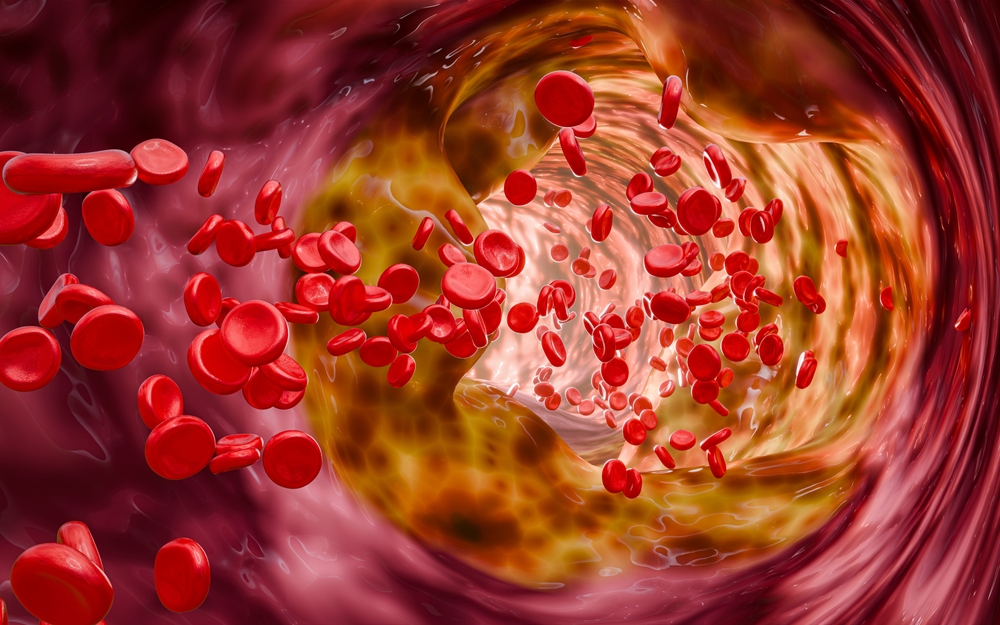
High glucose levels create a harsh environment inside your blood vessels. Over time, this excess sugar damages the smooth inner lining of your arteries. This damage makes it incredibly easy for plaque—a sticky substance made of fat and cholesterol—to build up along the artery walls.
As plaque builds up, your arteries become narrow and stiff. Doctors call this condition atherosclerosis. Because diabetes accelerates this plaque buildup, individuals with blood sugar issues face a much higher risk of developing peripheral artery disease (PAD).
Common Warning Signs You Should Not Ignore
PAD often develops slowly. You might not notice the symptoms right away, but paying attention to your body can save your limbs. Look out for these common warning signs:
- Painful cramping: You may feel pain in your hips, thighs, or calves when walking or climbing stairs. This pain usually stops when you rest.
- Temperature changes: One leg or foot may feel noticeably colder than the other.
- Slow-healing wounds: Sores or ulcers on your toes, feet, or legs that take weeks to heal or do not heal at all.
- Color changes: Your legs may look pale or bluish, and the skin may appear unusually shiny.
Why You Need a Vascular Health Specialist
If you notice any of the warning signs above, you need a proper medical evaluation. A primary care doctor can help, but a dedicated vascular health specialist has the exact training needed to evaluate your circulation. These experts focus entirely on your blood vessels. They use painless, non-invasive ultrasound tests to measure the blood flow in your legs and find blockages early.
When you partner with a vascular health specialist, you gain access to customized treatment plans. These plans might include exercise programs, medication to improve blood flow, or minimally invasive procedures to clear blocked arteries. For patients in the city, visiting a reputable vascular clinic in Brooklyn ensures you get prompt, specialized care without traveling far from home.
Managing Your Risks and Protecting Your Health
You can actively manage your risks and slow the progression of PAD. A healthy lifestyle, combined with professional medical guidance, makes a significant difference.
- Control your glucose: Keep your blood sugar levels within the target range your doctor set.
- Stay active: Regular walking trains your body to use oxygen more efficiently and can actually help create new, smaller blood vessels in your legs.
- Stop smoking: Smoking restricts your blood vessels further. Quitting is the most critical step you can take.
Working closely with a local vascular clinic in Brooklyn will keep you on track. Your care team will monitor your circulation and adjust your treatments as needed to keep your legs healthy and pain-free.
Ignoring poor circulation can lead to severe consequences, but you have the power to protect your mobility. The connection between diabetes and peripheral artery disease is undeniable, yet highly manageable with early intervention. Take proactive steps today by managing your blood sugar and paying close attention to your foot health.
If you experience leg pain or notice slow-healing sores, do not wait. Reach out to our vascular health specialist to schedule a thorough evaluation. Partnering with Doral Health & Wellness Vascular Health Department in Brooklyn will give you the tools and treatments you need to maintain a healthy, active life for years to come. For any vascular problems, call us at +1-718-367-2555. The Vascular Disease Specialists at Doral Health & Wellness consistently have outstanding patient satisfaction ratings. The professionals at Doral Health & Wellness Vascular Health Department in Brooklyn can improve your health and quality of life because of their vast training and experience. New Yorkers can get the greatest medical and surgical vascular care at Doral Health & Wellness Brooklyn. If you need help, register your information and make direct contact with our doctors at https://yuz88hfiyh7.typeform.com/Doralintake or send an email to info@doralhw.org. Visit us at 1797 Pitkin Avenue, Brooklyn, NY 11212.