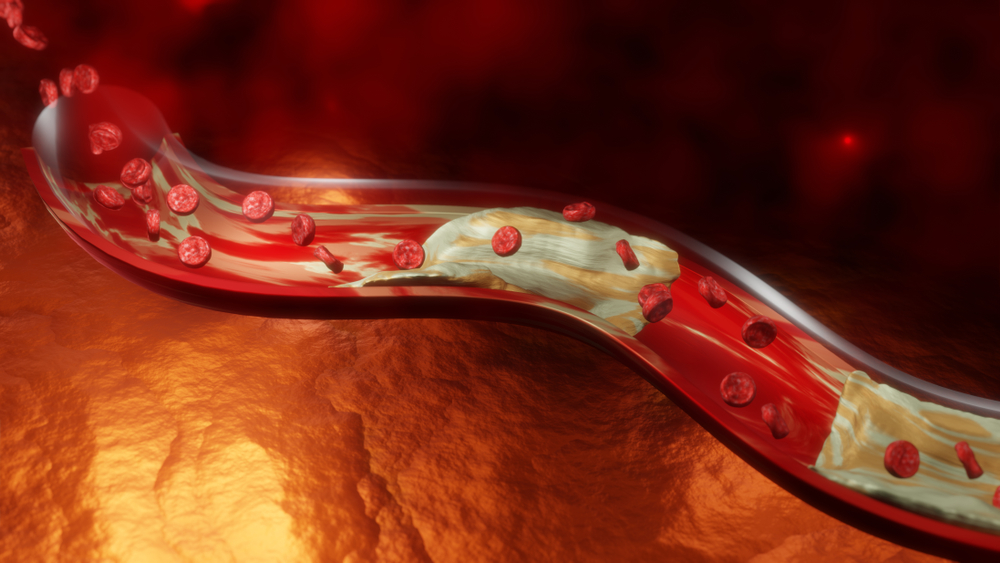
Your blood vessels are lined with a delicate, single-cell layer called the endothelium. This layer is crucial for your cardiovascular health, acting as a smart barrier that controls blood flow and prevents clots. When this lining becomes damaged, it sets off a dangerous chain reaction. Understanding how endothelial damage leads to heart attack or stroke is the first step in protecting yourself from these life-threatening events. This silent injury disrupts the normal function of your arteries, creating the perfect conditions for blockages that can starve your heart or brain of vital oxygen. Get a consultation with the best vascular disease specialists in Brooklyn.
How Endothelial Damage Leads to Heart Attack or Stroke
A healthy endothelium is smooth and flexible, allowing blood to flow freely. However, certain risk factors can injure this fragile layer. These include high blood pressure, high cholesterol, smoking, and high blood sugar. When the endothelium is damaged, it becomes inflamed and “sticky.” This is where the trouble begins.
The damaged areas attract cholesterol and other fatty substances circulating in your blood. These materials start to build up, forming a plaque deposit along the artery wall in a process called atherosclerosis. The endothelium loses its ability to signal the artery to relax and widen, making it stiff and narrow.
From Plaque to Catastrophe
Over time, this plaque can grow, further narrowing the artery and restricting blood flow. But the real danger often comes when a plaque deposit becomes unstable and ruptures.
- Heart Attack: When a plaque in one of the coronary arteries (which supply the heart muscle) ruptures, the body rushes to repair the injury by forming a blood clot. This clot can completely block the artery, cutting off blood flow to a part of the heart. Without oxygen, the heart muscle begins to die. This is a heart attack.
- Stroke: A similar process can occur in the arteries leading to the brain. A clot can form on a ruptured plaque in the neck’s carotid arteries and then travel to the brain, causing an ischemic stroke. Alternatively, severe plaque buildup itself can block a brain artery, leading to the same devastating outcome.
The Role of a Vascular Health Specialist
Because endothelial damage happens silently, you may not know you have a problem until it’s severe. This is why expert medical care is so important. A vascular health specialist is a doctor who focuses exclusively on the circulatory system. They have advanced training in diagnosing and treating conditions related to arteries, veins, and the lymphatic system.
If you have risk factors like diabetes, high blood pressure, or a family history of heart disease, consulting with a specialist is a proactive step. They can perform non-invasive tests to assess your vascular health and detect early signs of atherosclerosis. Finding an expert is key to managing your risk. A dedicated vascular clinic in Brooklyn can provide comprehensive evaluations and personalized treatment plans to protect your vessels.
Protecting Your Endothelium and Your Future
While the process sounds intimidating, you have significant power to prevent or slow endothelial damage. Lifestyle changes are your most effective weapon.
- Control Blood Pressure and Cholesterol: Work with your doctor to manage these numbers through diet, exercise, and medication if needed.
- Stop Smoking: Tobacco smoke is directly toxic to the endothelium. Quitting is the single best thing you can do for your vessel health.
- Eat a Heart-Healthy Diet: Focus on fruits, vegetables, whole grains, and lean proteins while limiting processed foods, sugar, and saturated fats.
- Stay Active: Regular physical activity helps lower blood pressure, improve cholesterol levels, and keep arteries flexible.
Partnering with a trusted vascular health specialist ensures you are on the right track. Regular check-ups at a specialized vascular clinic in Brooklyn can help monitor your progress and catch any issues early.
Take Control of Your Vascular Health
The journey from endothelial damage to a heart attack or stroke is a process, not a single event. By understanding this connection, you can take meaningful steps to interrupt it. Proactive management of your risk factors is essential for maintaining a healthy circulatory system.
Don’t wait for a medical emergency to address your vascular health. If you have concerns, speak with your doctor or contact our vascular specialist to schedule a consultation. Taking action today is the best way to ensure a healthier tomorrow. For any vascular problems, call us at +1-718-367-2555. The Vascular Disease Specialists at Doral Health & Wellness consistently have outstanding patient satisfaction ratings. The professionals at Doral Health & Wellness Vascular Health Department in Brooklyn can improve your health and quality of life because of their vast training and experience. New Yorkers can get the greatest medical and surgical vascular care at Doral Health & Wellness Brooklyn. If you need help, register your information and make direct contact with our doctors at https://yuz88hfiyh7.typeform.com/Doralintake or send an email to info@doralhw.org. Visit us at 1797 Pitkin Avenue, Brooklyn, NY 11212.