Smoking is widely known for its devastating effects on the lungs and heart. However, its harmful reach extends throughout the entire body, significantly damaging the circulatory system. One of the most serious but lesser-known consequences is its role in vascular conditions. The link between smoking and peripheral artery disease (PAD) is particularly strong, making it the single greatest risk factor for this painful and progressive disease. For smokers, the condition can lead to debilitating leg pain, often called PAD smokers’ leg, and increase the risk of serious complications. Understanding this connection is the first step toward protecting your vascular health. Get a consultation with the best vascular disease specialists in Brooklyn.
What is Peripheral Artery Disease (PAD)?
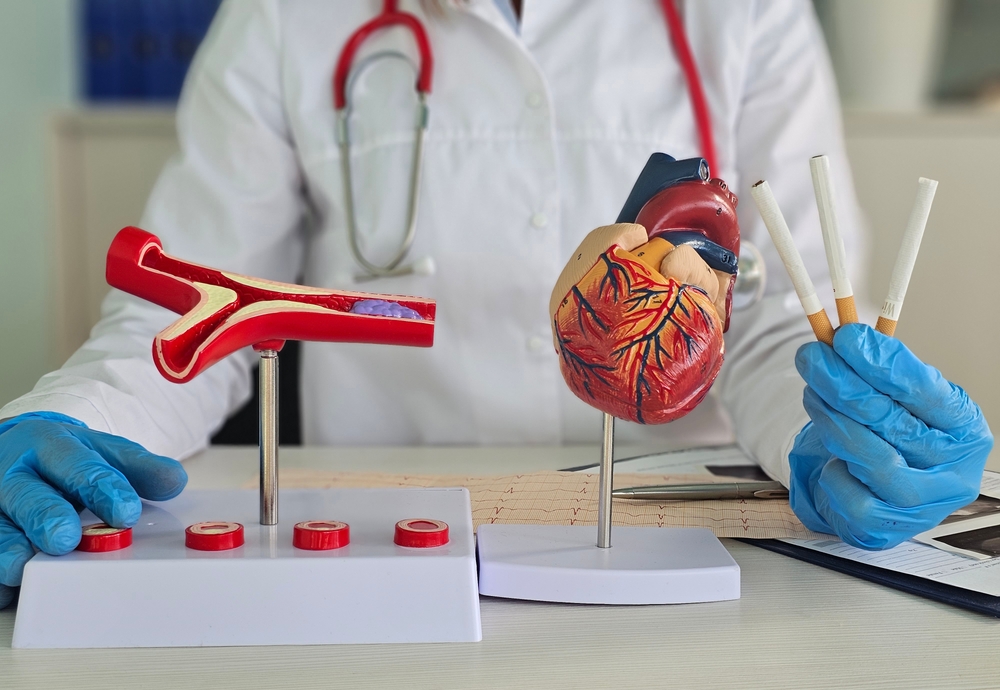
Peripheral artery disease is a circulatory problem in which narrowed arteries reduce blood flow to your limbs. While PAD can affect any blood vessel outside of the heart and brain, it most commonly impacts the legs and feet. This narrowing is caused by atherosclerosis, a condition where fatty deposits, or plaque, build up on the artery walls.
As the plaque accumulates, the arteries become stiff and constricted, making it difficult for oxygen-rich blood to reach the muscles and tissues in your extremities. This oxygen deprivation is what causes the symptoms of PAD.
The Overwhelming Link Between Smoking and Peripheral Artery Disease (PAD)
While factors like age, diabetes, and high cholesterol contribute to PAD, smoking stands in a category of its own. Smokers are up to four times more likely to develop PAD than non-smokers. The thousands of toxic chemicals in cigarette smoke directly assault the vascular system in several ways.
How Smoking Causes and Worsens PAD
- Damages Artery Walls: The chemicals in tobacco smoke damage the smooth inner lining of the arteries (the endothelium). This damage creates rough patches where plaque can easily begin to form, initiating the process of atherosclerosis.
- Promotes Plaque Buildup: Smoking alters blood chemistry, increasing levels of “bad” LDL cholesterol and making it “stickier.” This accelerates the rate at which plaque builds up on the already damaged artery walls.
- Thickens Blood: Smoking makes blood thicker and more prone to clotting. This not only contributes to the narrowing of arteries but also dramatically increases the risk of a clot forming and causing a complete blockage.
- Constricts Blood Vessels: Nicotine is a vasoconstrictor, meaning it causes blood vessels to tighten and narrow. This further reduces blood flow to the limbs and forces the heart to work harder.
Recognizing the Symptoms of PAD in Smokers’ Legs
The symptoms of PAD often develop slowly and can be mistaken for a normal part of aging. However, for smokers, these signs can progress more rapidly. The most common symptom is known as claudication.
- Claudication: This is muscle pain or cramping in the legs or hips that begins with physical activity, such as walking, and subsides after a few minutes of rest.
- Leg Numbness or Weakness: A feeling of heaviness or fatigue in the leg muscles.
- Coldness in the Lower Leg or Foot: A noticeable temperature difference in one leg compared to the other.
- Non-healing Sores: Ulcers or sores on the toes, feet, or legs that are slow to heal or do not heal at all.
- Changes in Skin Color or Appearance: The skin on the legs may become shiny or turn a pale or bluish color.
- Hair Loss: A slowing or complete cessation of hair growth on the feet and legs.
In severe cases, PAD smokers’ legs can progress to critical limb ischemia (CLI), a condition characterized by constant pain and a high risk of amputation.
Seeking Help from a Vascular Specialist
If you are a smoker and experience any of the symptoms mentioned above, it is crucial to see a doctor immediately. A vascular specialist is an expert in diagnosing and treating conditions affecting the blood vessels. They can perform simple, non-invasive tests to check the blood flow in your legs.
A consultation at a vascular clinic in Brooklyn can provide a comprehensive evaluation, including an ankle-brachial index (ABI) test, which compares the blood pressure in your ankle to the blood pressure in your arm. This test is a quick and reliable way to diagnose PAD. A vascular specialist can then recommend a treatment plan tailored to your needs.
The link between smoking and peripheral artery disease (PAD) is direct and dangerous. Smoking is the most powerful and preventable risk factor for developing this debilitating condition. It accelerates the disease process, worsens symptoms, and significantly increases the risk of complications like amputation and heart attack.
Quitting smoking is the single most important action you can take to slow the progression of PAD and improve your overall health. It is never too late to quit. If you are struggling with symptoms of PAD smokers’ legs or are concerned about your vascular health, do not wait. Schedule an appointment with a professional at a vascular clinic in Brooklyn to get the expert care you need. For any vascular problems, call us on + 1-718-367-2555. The Vascular Disease Specialists at Doral Health & Wellness consistently have outstanding patient satisfaction ratings. The professionals at Doral Health & Wellness Vascular Health Department Brooklyn can improve your health and quality of life because of their vast training and experience. New Yorkers can get the greatest medical and surgical vascular care at Doral Health & Wellness Brooklyn. If you need help, register your information and make direct contact with our doctors at https://yuz88hfiyh7.typeform.com/Doralintake or send an email to info@doralhw.org. Visit us at 1797 Pitkin Avenue, Brooklyn, NY 11212.