Aching legs. Twisted, bulging veins. A tired heaviness by the end of the day. If this sounds like your daily reality, you are not alone, and you have options. Sclerotherapy is one of several trusted treatments that can help you feel comfortable in your legs again.
Choosing between VenaSeal, RFA, and Sclerotherapy can feel overwhelming when you just want relief. Each one works differently, and the right choice depends on your veins, your health, and your goals. This guide breaks down all three in plain language so you can make a confident decision with your care team. Whether you are treating small spider veins or larger varicose veins, understanding your choices is the first step toward lasting relief.
Understanding Your Varicose Vein Treatment Options
Varicose veins happen when the valves inside your veins weaken and blood pools instead of flowing upward. Left untreated, this can lead to swelling, skin changes, and discomfort. The good news: modern, minimally invasive treatments make relief easier than ever.
A skilled Varicose Veins Surgeon will always match the treatment to your specific condition. Before any procedure, most patients benefit from an in-home vein consultation that assesses your circulation and comfort level. To prepare for that visit, review these signs of poor circulation so you know what questions to ask.
VenaSeal: Medical Adhesive Closure
VenaSeal uses a medical-grade adhesive to seal the damaged vein shut. Your body then reroutes blood through healthier veins nearby.
- No heat, no needles for numbing: Most patients feel little discomfort during the procedure.
- Quick recovery: You can usually return to normal activity the same day.
- No compression stockings required: A convenient perk for busy families.
VenaSeal suits larger veins and patients who want minimal downtime.
RFA (Radiofrequency Ablation): Heat-Based Sealing
RFA uses controlled heat delivered through a thin catheter to close the faulty vein. It is one of the most studied and effective treatments for larger varicose veins.
- High success rate: Long-term closure rates are excellent.
- Local anesthesia: The area is numbed for comfort.
- Mild recovery: Some bruising or tightness may last a few days.
RFA is a dependable choice when veins are large, and symptoms are significant.
Sclerotherapy: Injection-Based Treatment
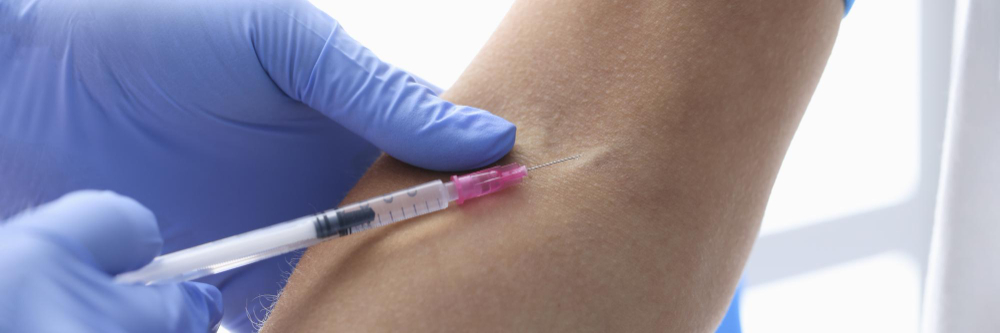
Sclerotherapy involves injecting a solution directly into the vein, causing it to collapse and fade over time. It shines for smaller varicose veins and spider veins.
- Simple and fast: Sessions often take under 30 minutes.
- No incisions: Just a fine needle and a targeted solution.
- Gradual, natural fading: Results improve over several weeks.
Sclerotherapy is often the go-to for cosmetic concerns and smaller vessels.
Comparing the Three at a Glance
Feature | VenaSeal | RFA | |
Best for | Large veins | Large veins | Small veins, spider veins |
Anesthesia | Minimal | Local | None needed |
Downtime | Very low | Low | Very low |
Compression stockings | Not required | Often required | Sometimes required |
The right option depends on the size and location of your veins. A trusted Vascular Surgeon Brooklyn that families rely on can help you weigh comfort, cost, and results.
Conclusion: Take the Next Step Toward Comfortable Legs
Your legs carry you through every day, and you deserve to feel good in them. The right treatment is closer than you think, and expert help is available whenever you are ready.
If you are exploring Sclerotherapy or comparing it with VenaSeal and RFA, speak with a caring Varicose Veins Surgeon who listens to your concerns. Reach out today by calling 1-347-384-5690 or visiting us at 1797 Pitkin Avenue, Brooklyn, New York 11212 to schedule a consultation to book a personalized Vascular Health consultation and start your path to relief.