Pill fatigue is real. When your loved one already takes medicine for blood pressure, diabetes, or heart health, one more pain pill can feel like too much. Missed doses, upset stomachs, and confusing schedules often follow.
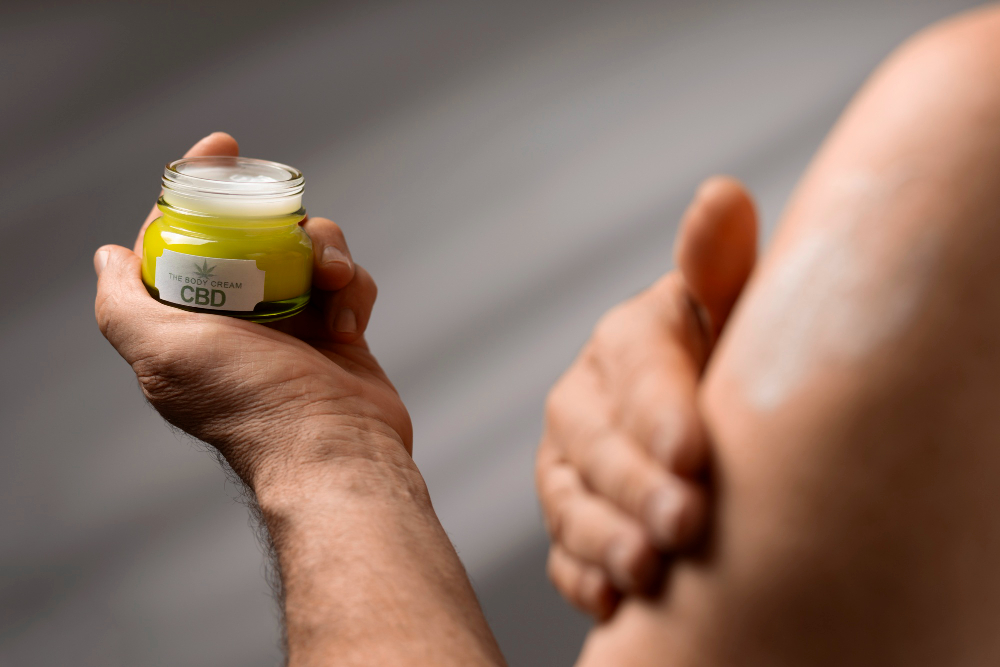
That is why many families ask about compounded topical pain creams. These custom-mixed creams go directly on the skin where pain flares. For many people, they offer a way of targeting localized nerve flares without pill fatigue. This guide explains how the creams work, what the research shows, and how to use them safely at home. You will also learn when to talk with a pain management doctor about whether a cream fits your loved one’s care plan.
What Are Compounded Topical Pain Creams?
A compounding pharmacy mixes these creams to match a specific prescription. Store-bought rubs usually contain one ingredient. A compounded cream may combine several medicines, such as lidocaine, ketamine, baclofen, or gabapentin, in a single base.
How They Differ From Pills
- Applied where it hurts: The cream goes on the painful area instead of traveling through the whole body first.
- Fewer pills to track: Your loved one’s daily pill count may stay the same or even drop.
- Custom strength: The formula can be adjusted to your loved one’s needs.
Compounded creams are not FDA-approved the way brand-name medicines are, so careful guidance matters.
Targeting Localized Nerve Flares Without Pill Fatigue
Nerve pain often stays in one spot. It might be burning feet, tingling near a surgical scar, or a sharp ache that returns in the same place. Treating that one area directly makes sense to many families.
Who May Benefit
- People with focused nerve pain: Pain limited to one area is the best match for a topical approach.
- Those who struggle with pills: Swallowing problems or a sensitive stomach can make oral medicine hard.
- Patients on many medications: A cream may reduce the risk of mixing up doses.
What the Research Shows
Results are mixed. Survey data shared by compounding providers report that many users feel meaningful relief. However, a randomized trial from the U.S. Department of Defense found these creams worked no better than placebo for localized chronic pain. The American Society of Health-System Pharmacists has raised concerns about their safety and effectiveness.
This does not mean a cream will not help your loved one. It means the decision deserves an expert eye. A doctor may suggest a compounded formula, a well-studied single-ingredient cream, or a different approach entirely.
Using Topical Creams Safely at Home
Skin creams feel gentle, but the medicine can still reach the bloodstream. Research published through the National Institutes of Health has documented whole-body side effects from compounded pain creams.
Simple Safety Steps
- Use only as prescribed: More cream does not mean more relief.
- Apply to healthy skin: Avoid cuts, rashes, or open wounds.
- Skip heat: Do not cover treated skin with heating pads, which can increase absorption.
- Wash your hands: Caregivers should wash up after every application.
- Watch for changes: Report drowsiness, dizziness, or confusion right away.
- Store safely: Keep creams away from children and pets.
A short daily log of pain levels and any side effects helps the care team adjust the plan.
When to Talk With a Pain Management Doctor
Lingering nerve pain wears down patients and caregivers alike. Consider an evaluation if pain disrupts sleep, keeps returning to the same spot, or has stopped responding to current treatment. A pain management doctor can review every medication your loved one takes and decide whether a topical option is safe and worthwhile.
Our pain management clinic in Brooklyn takes the time to explain each option in plain language, so you can make choices with confidence.
Comfort Without the Pill Burden
Daily pain should not mean a growing pile of pill bottles. With the right guidance, your loved one can find relief that fits their routine and their health needs.
Reach out to our Pain Management team today by calling +1-718-367-2555 or visiting us at 1797 Pitkin Avenue, Brooklyn, NY 1121 to schedule a visit at our pain management clinic in Brooklyn. You do not have to manage this alone.