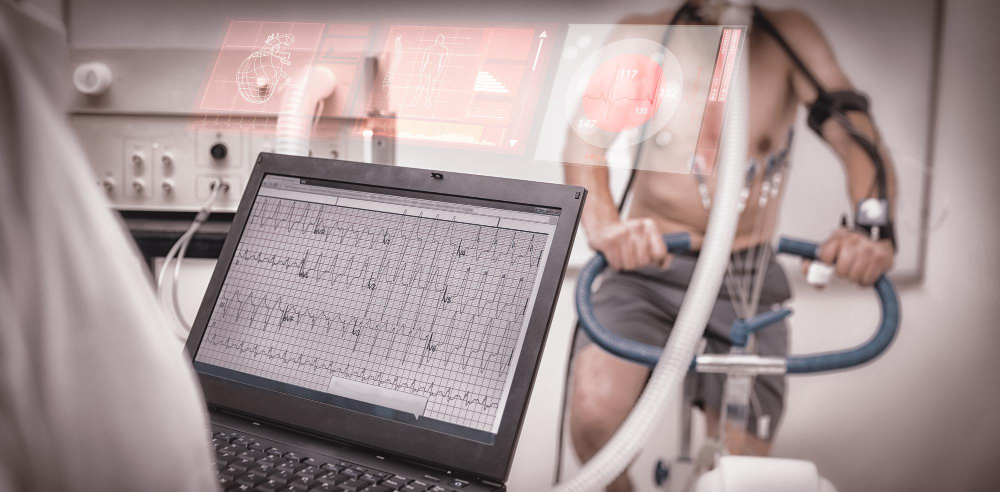
A nuclear stress test is generally safe for most patients. Common side effects include flushing, dizziness, and temporary fatigue. Serious complications are rare but possible. Knowing what to expect and when to call your doctor helps you recover with confidence.
Hearing that you need a nuclear stress test can feel unsettling. The word “nuclear” alone raises questions, and uncertainty about what to expect can add to the anxiety. The good news is that for most patients, this test is well-tolerated and performed routinely at cardiology clinics across the country, including at a cardiology clinic in Brooklyn.
Understanding how the test works, what side effects are normal, and when to call your cardiologist gives you the knowledge to move through this process with less worry.
Is a Nuclear Stress Test Safe?
How Does a Nuclear Stress Test Work, and What Is Its Safety Profile?
A nuclear stress test uses a small amount of radioactive tracer, injected into the bloodstream, to create images of blood flow through the heart. The images are taken both at rest and during physical or pharmacological stress.
According to the American Heart Association, the radiation exposure from the tracer is low and comparable to other routine imaging procedures. The test is typically performed under medical supervision, with a cardiologist monitoring your heart rate, blood pressure, and rhythm throughout.
For most patients, the procedure poses minimal risk. However, people with certain conditions, such as severe asthma or unstable heart disease, may require special consideration before proceeding. Your cardiologist will review your full health history before recommending the test.
Common Side Effects of a Nuclear Stress Test
Mild and Temporary Side Effects
Most patients tolerate the test without significant discomfort. Mild side effects are common and typically resolve within minutes to a few hours. These include:
- Flushing or warmth: Caused by the stress medication used to stimulate the heart, this usually fades quickly.
- Headache or dizziness: Brief and generally mild, these often improve once the medication wears off.
- Shortness of breath: Temporary breathlessness is expected, particularly during the stress phase.
- Nausea: Some patients feel slightly queasy, though vomiting is uncommon.
- Fatigue: Feeling tired after the test is normal and typically resolves with rest.
These effects are a routine part of how the test works. They are not a sign that something has gone wrong.
Less Common Side Effects of a Nuclear Stress Test
A small number of patients may experience effects that are less typical but still manageable:
- Chest discomfort: Mild tightness or pressure can occur during the stress phase. Medical staff are present and trained to respond if this happens.
- Irregular heartbeat: Brief changes in heart rhythm may be detected during the test. These are usually temporary and self-resolving.
- Low blood pressure: A drop in blood pressure can occur in some patients, particularly those taking certain heart medications.
- Skin reactions: Mild redness or irritation at the injection site is occasionally reported.
Serious allergic reactions to the tracer are rare, according to the Society of Nuclear Medicine and Molecular Imaging. Still, medical teams are fully equipped to respond if one occurs.
When to Call Your Doctor After a Nuclear Stress Test
Warning Signs to Watch For
Most people feel back to normal within a few hours of the test. However, some symptoms after a nuclear stress test warrant a prompt call to your cardiologist.
Contact your doctor right away if you experience any of the following:
- Chest pain or pressure that does not resolve within a few minutes
- Difficulty breathing that worsens rather than improves after the test
- Fainting or near-fainting at any point after leaving the clinic
- Rapid or irregular heartbeat that persists for more than a few minutes
- Severe headache that feels different from a typical headache
- Swelling, redness, or pain at the injection site that worsens over time
These symptoms are uncommon, but they should never be dismissed. When in doubt, it is always the right decision to call.
Take the Next Step
A nuclear stress test gives your cardiologist critical information about how your heart is functioning. That knowledge is the foundation of a care plan built around your specific needs.
You do not have to navigate this process alone. Our cardiologists are here to answer your questions, explain your results, and guide you through every step of your cardiac care. Reach out to our team today by calling us at +1-718-367-2555 or walking into our clinic at 1797 Pitkin Avenue, Brooklyn, NY 11212, to schedule a consultation where we will listen and help you move forward with clarity.