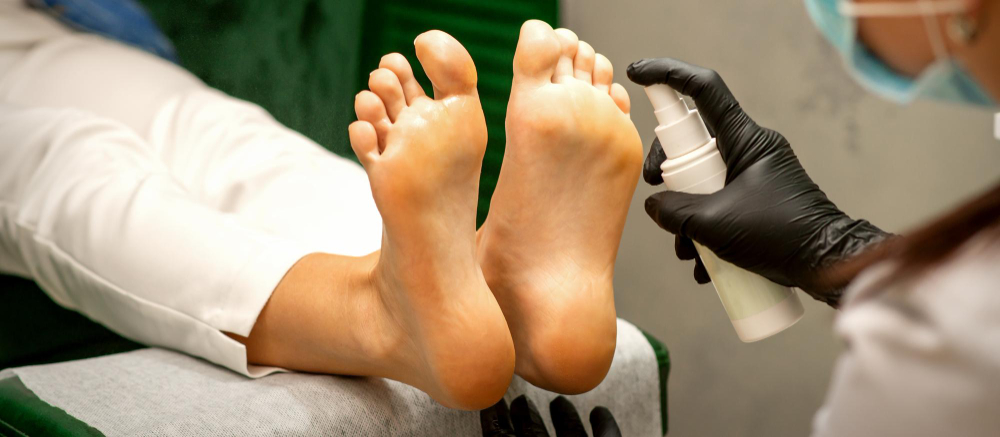
You file them down. They feel smooth for a few days. Then the hard, thick skin returns, right where it always does. If this cycle sounds familiar, you are not alone, and you are not doing anything wrong.
The truth is that most calluses come back because the surface is treated while the root cause is ignored. Understanding why foot calluses keep coming back is the first step toward lasting relief. This clinical and root-cause guide for foot callus removal walks you through what triggers them, which treatments actually work, and how to keep your feet comfortable for good. By identifying the real source of pressure, you can finally break the cycle.
Why Foot Calluses Keep Coming Back: The Root Causes
Calluses are your body’s way of protecting the skin. When one area of your foot takes repeated pressure or friction, the skin thickens to shield itself. That protection is helpful in small doses. The problem starts when the pressure never goes away.
Biomechanical and Structural Factors
Sometimes the shape and movement of your foot is the real driver. Your body puts extra weight on certain spots, and the skin responds.
- Foot structure: Flat feet, high arches, or bunions change how weight spreads across your foot.
- Gait patterns: The way you walk can concentrate pressure on the ball of the foot or the heel.
- Bone alignment: Hammertoes or prominent bones create friction points inside your shoes.
When the cause is structural, filing alone will never keep the callus away. The pressure returns, and so does the hard skin.
Footwear and Lifestyle Triggers
Daily habits play a large role too. Small choices add up over time and keep the friction going.
- Tight or loose shoes: Both create rubbing that thickens the skin.
- High heels: These push weight onto the front of the foot.
- Going barefoot often: Hard floors increase pressure on the heels.
- Long hours standing: Extra time on your feet means extra strain.
By spotting your personal triggers, you can start solving the problem at its source rather than chasing the symptom.
Permanent Removal and Prevention Strategies for Foot Calluses
Good news: calluses are highly treatable. Lasting results come from pairing professional care with smart daily habits. Here are the permanent removal and prevention strategies for foot calluses that make the biggest difference.
Clinical Treatment Options
A podiatrist can treat the callus safely and address why it formed in the first place.
- Professional debridement: A podiatrist carefully removes thickened skin with sterile tools.
- Custom orthotics: These inserts redistribute pressure so one spot no longer takes all the load.
- Footwear guidance: Expert advice helps you choose shoes that fit your foot shape.
- Treating the root cause: Correcting bunions or gait issues stops the callus from returning.
At-Home Prevention Tips
Between visits, a simple routine keeps your skin soft and protected.
- Moisturize daily: Use a cream with urea or salicylic acid to soften hard skin.
- Use a pumice stone gently: File after a bath, never on dry skin, and never too hard.
- Choose supportive shoes: Pick a proper fit with cushioning and room for your toes.
- Add protective padding: Cushions over pressure points reduce friction during the day.
Consistency matters more than intensity. Small steps each day protect your feet far better than aggressive filing once a week.
When to See a Podiatrist
Some calluses need more than home care. Reach out to a podiatry clinic in Brooklyn if you notice any of the following:
- Pain, redness, or signs of infection
- A callus that keeps returning no matter what you try
- Bleeding, cracking, or open skin
- Diabetes or poor circulation, which raise the risk of complications
If you have diabetes, never treat calluses on your own. A small break in the skin can turn serious quickly. Professional care keeps you safe.
Your Feet Deserve Lasting Comfort
Recurring calluses are frustrating, but they are not something you have to live with. When you treat both the surface and the source, real relief is possible. You do not have to keep repeating the same cycle.
Our Podiatry team is here to help you find the cause and build a plan that lasts. Reach out today by calling +1 718 367 2555 or visit us at 1797 Pitkin Avenue, New York, NY 11212 to schedule a consultation, and let us help you take the first step toward comfortable, healthy feet.