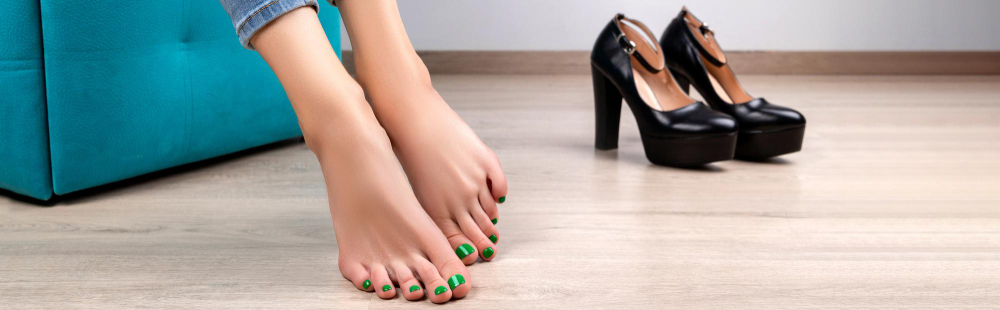
For many people in Brooklyn, high heels are a non-negotiable staple of professional wardrobes and weekend nights out. Whether navigating corporate boardrooms or walking to a dinner reservation, a stylish pair of heels elevates any look. However, if you regularly wear stilettos, wedges, or pumps, you might find yourself dealing with an unwelcome side effect: a sharp, burning, or aching sensation right beneath your toes.
This condition is known as metatarsalgia, and it is one of the most common complaints treated by podiatrists. If every step feels like you are walking on sharp pebbles, your footwear choices are likely placing an unsustainable burden on the front of your feet.
The Anatomy of High Heel Pain
To understand why high heels cause so much trouble, you have to look at how they alter your natural biomechanics. When you walk barefoot or in flat, supportive shoes, your body weight is distributed relatively evenly between your heel and the forefoot.
When you slide your foot into a pair of high heels, your center of gravity instantly shifts forward. The higher the heel, the more drastic the shift:
- A 1-inch heel increases pressure on the forefoot by roughly 22%.
- A 2-inch heel increases that pressure to about 57%.
- A 3-inch or higher heel forces a staggering 76% to 90% of your total body weight onto the balls of your feet.
This extreme pressure is concentrated entirely on the metatarsal heads—the long bones that connect your ankle to your toes. Over time, this chronic flattening and pounding compress the sensitive nerves, joints, and protective fat pads beneath the toes, triggering severe inflammation and metatarsalgia.
Recognizing the Symptoms of Metatarsalgia
Metatarsalgia rarely strikes out of nowhere. Instead, it typically builds gradually, starting as a mild ache that turns into a daily disruption. Common warning signs include:
- A sharp, aching, or burning pain in the ball of your foot, right behind your toes.
- Pain that worsens when you stand, walk, or run, but improves when you rest.
- A distinct sensation that feels like there is a pebble or a crumpled sock inside your shoe.
- Numbness or a tingling “pins and needles” feeling radiating into your toes.
If left untreated, the chronic inflammation can lead to more severe complications, such as stress fractures in the metatarsal bones or Morton’s neuroma—a painful thickening of the tissue surrounding the nerves leading to your toes.
How to Fix Ball-of-Foot Pain Without Sacrificing Style
The most effective cure for metatarsalgia is to stop wearing high heels entirely, but if your lifestyle or career makes that difficult, you can take strategic steps to protect your feet and find relief:
1. Lower the Incline
You don’t have to switch exclusively to flat shoes to heal. Lowering your heel height to two inches or less dramatically reduces the load placed on the forefoot. Additionally, switching from a spindly stiletto to a chunkier block heel or a platform wedge helps distribute your weight across a broader surface area, lowering peak pressure points.
2. Utilize Metatarsal Pads
Metatarsal pads are small, dome-shaped silicone or felt inserts placed inside your shoes just behind the ball of the foot. They work by slightly offloading the pressure from the painful joint heads, redistributing the weight back toward the shaft of the bone, and giving your nerves room to breathe.
3. Stretch Your Calves and Feet
Wearing high heels causes your calf muscles and Achilles tendons to chronically shorten and tighten. When you transition back to flat shoes or walk barefoot, those tight muscles pull upward on the heel, forcing even more pressure onto the front of your foot. Regularly performing calf stretches against a wall can break this painful cycle.
Don’t Let Foot Pain Limit Your Lifestyle
If ball-of-foot pain is making your daily commute a nightmare, our Brooklyn podiatrists can help. From custom offloading orthotics to advanced anti-inflammatory therapies, we get you back on your feet comfortably.
When to See a Brooklyn Podiatrist
If you have tried modifying your shoes and using over-the-counter padding for a few weeks but your pain persists, it is time to seek professional care. A podiatrist can perform a physical assessment and diagnostic imaging to rule out stress fractures or nerve damage. They can also craft custom orthotics that fit discreetly inside your preferred footwear, providing targeted offloading where your feet need it most.
Protecting your foot health doesn’t mean you can never wear your favorite shoes again. It just means learning how to balance style with proper support so you can walk through the city pain-free.
Book your Podiatry appointment today with us by calling +1 718 367 2555 or visit us at 1797 Pitkin Avenue, New York, NY 11212 to get a proper consultation for your foot health.