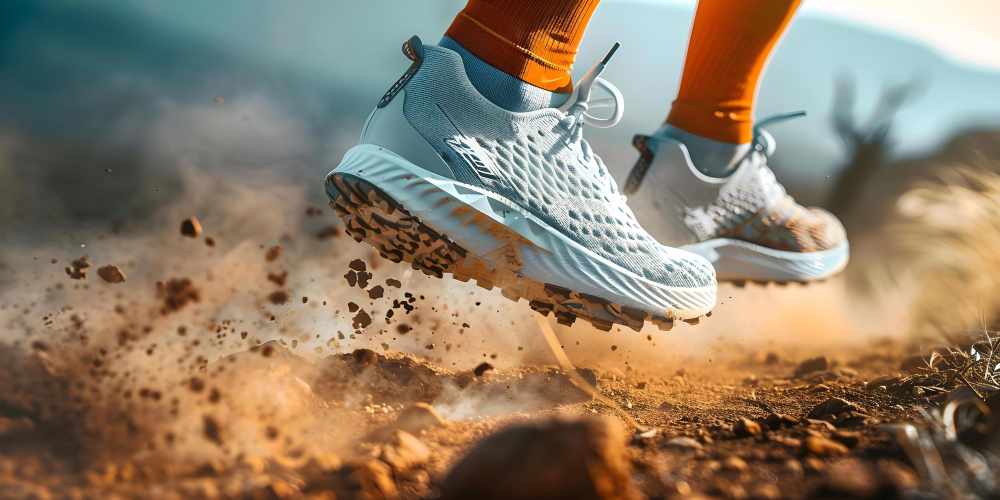
Whether you are training for the Brooklyn Half Marathon or simply logging miles on the concrete paths of Prospect Park, your running shoes are your most critical piece of equipment. They act as your body’s primary defense against the harsh ground forces of running. However, many runners wait until they see gaping holes in the fabric or a completely smoothed-out rubber tread before buying a new pair.
This is a painful mistake.
The structural integrity of a running shoe decays from the inside out. Long before the exterior looks worn down, the internal midsole cushioning and shock-absorbing insoles lose their resiliency. Running on an “expired” shoe shifts massive amounts of stress onto your joints, muscles, and tendons, making a worn-out running shoe lifespan a leading cause of sudden lower-extremity pain.
The Silent Decay of Midsole Cushioning
To understand why old shoes cause injuries, you have to look at what happens inside the sole. The midsole of a modern running shoe is typically constructed from specialized foams, such as Ethylene Vinyl Acetate (EVA) or polyurethane, packed with tiny gas bubbles. Every time your foot strikes the ground, these bubbles compress to absorb shock and then bounce back to provide energy return.
Over miles of repetitive pounding, these foam cells experience mechanical fatigue. They slowly lose their structural memory, stay compressed, and harden.
While a factory-fresh shoe can absorb a significant portion of your body’s impact force, a collapsed midsole passes that shock directly up your skeletal system. Your plantar fascia, Achilles tendons, shins, and knees are suddenly forced to take the brunt of the abuse.
Signs Your Running Shoes Have Expired
Because you cannot easily see internal foam collapse with the naked eye, you must rely on usage metrics and physical warning signs to determine your shoe’s true lifespan.
1. The Mileage Rule of Thumb
As a general baseline, most high-quality running shoes lose their optimal shock-absorption capabilities after 300 to 500 miles (roughly 500 to 800 kilometers). If you run 15 miles a week, your shoes will hit their expiration date in about five to seven months. Heavier runners or those who exclusively run on unforgiving city concrete will compress the foam faster and should skew closer to the 300-mile mark.
2. Sudden, Unexplained Aches
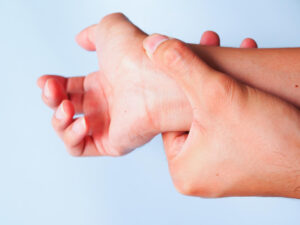
If you wake up the morning after a routine run with a dull ache in your arches, localized shin splints, or stiffness in your knees that you have never felt before, your shoes are telling you they are done. When footwear fails to protect you, overuse injuries like plantar fasciitis and patellofemoral pain syndrome (runner’s knee) quickly take hold.
3. The Compression Test
Place your shoe on a flat table and look at it from behind at eye level. Does the heel tilt or lean to one side? Next, press your thumb firmly into the center of the midsole foam from the outside. If the foam feels rigid, brittle, or shows deep, permanent creasing lines, the cushioning has bottomed out.
The Dangerous Trap of Aftermarket Insoles
When shoes begin to feel firm, many runners attempt to extend their lifespan by sliding an over-the-counter gel or foam insole over the old one. While a fresh insert can temporarily relieve some minor ball-of-foot or heel pressure, it cannot fix a structurally compromised shoe.
An aftermarket insole sits on top of a collapsed, uneven foundation. If the underlying midsole foam is compressed lopsidedly due to your natural stride, a new insert will simply tilt along that same warped angle. This can worsen biomechanical imbalances, throwing off your gait and potentially accelerating an injury.
How to Maximize Your Shoe Lifespan Safely
If you want to get the absolute most out of your athletic footwear investment without compromising your physical health, practice these podiatrist-approved habits:
- Rotate your shoes: If you run on consecutive days, alternate between two different pairs. Foam midsoles take roughly 24 to 48 hours to fully decompress back to their original shape after a strenuous workout.
- Keep them run-specific: Do not wear your dedicated running shoes to the grocery store, for casual walks, or during high-friction gym workouts. Everyday use adds stealth mileage to the foam.
- Track your mileage: Use fitness tracking apps to log the exact mileage on each pair of sneakers in your closet so you never have to guess when it is time to swap them out.
Investing in a fresh pair of running shoes before your old ones fully disintegrate is a form of preventative healthcare. Keeping your structural foundation secure ensures you can continue exploring the city streets safely and pain-free.
Book your Podiatry appointment today with the podiatry team by calling +1 718 367 2555 or visit us at 1797 Pitkin Avenue, New York, NY 11212 to get a proper consultation for your foot health.