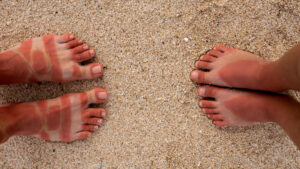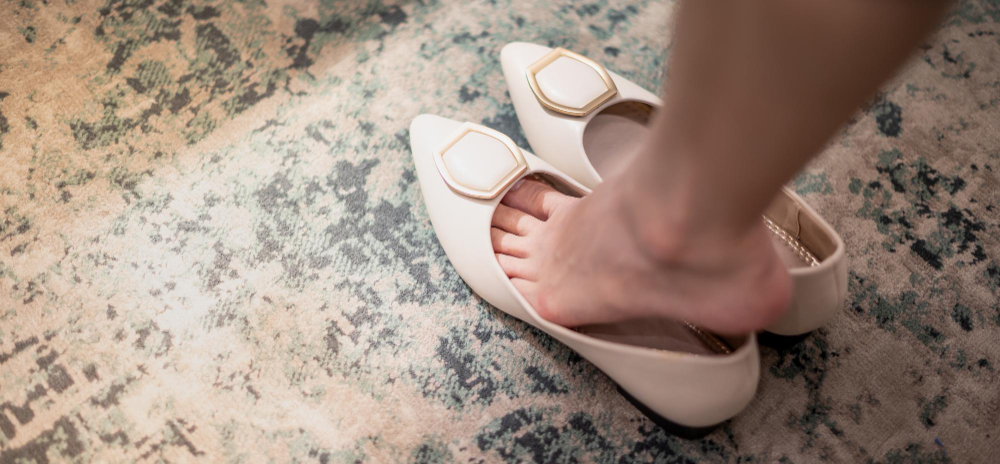
When the summer heat finally hits Brooklyn, trading in heavy boots and sneakers for a pair of breeze-catching flip-flops feels like the ultimate relief. They are convenient, lightweight, and perfect for a casual stroll down the boardwalk or a quick trip to the neighborhood market. However, as the summer weeks roll on, many New Yorkers notice a less-than-pleasant seasonal trend: a sharp, stabbing ache in their heels or a burning sensation along the arches of their feet.
This is not a coincidence. Flimsy, flat flip-flops are one of the most notorious triggers for severe plantar strain and structural foot fatigue. Walking miles on unforgiving city concrete in footwear with zero structural support can quickly turn your summer relaxation into a painful mobility crisis.
The Mechanical Flaws of the Standard Flip-Flop
To understand why flip-flops cause so much damage, you have to look at how they fail to support basic human biomechanics. A healthy walking stride relies on a secure shoe that flexes naturally with your foot while anchoring your heel in place.
Standard flip-flops fail on every front due to three major design flaws:
1. The Total Absence of Arch Support
Most traditional flip-flops consist of a completely flat piece of foam or rubber. They provide absolutely no contouring to mimic the natural curve of your arch. Without a built-in arch support to distribute your body weight evenly, the plantar fascia—the thick band of connective tissue spanning the bottom of your foot—is forced to overstretch and sag with every single step.
2. The Dreaded “Toe Gripping” Reflex
Because flip-flops have no back strap, the shoe is inherently unstable. To keep the sandal from flying off your foot while walking, your toes must instinctively curl downward and grip the thin sole. This constant, unnatural contraction overworks the flexor tendons in your toes and places immense, continuous tension on the plantar fascia, rapidly accelerating inflammation.
3. Subpar Shock Absorption
Cheap summer sandals offer incredibly thin soles that bottom out under the pressure of your weight. When walking on hard concrete sidewalks, these thin layers fail to absorb the ground reaction forces. That structural impact travels directly into your calcaneus (heel bone), leading to micro-tears in the surrounding soft tissues.
Recognizing the Signs of Plantar Strain
Plantar strain typically starts as a subtle annoyance but can quickly escalate into a debilitating condition known as plantar fasciitis. Watch out for these common summer warning signs:
- A sharp, searing pain in the bottom of your heel during your first few steps out of bed in the morning.
- A dull, persistent ache along the inside arch of your foot after a day of walking around the city.
- Increased foot fatigue and calf tightness that makes walking to the subway uncomfortable.
- Swelling or tenderness when pressing firmly on the center of your heel.
How to Enjoy the Summer Pain-Free
Protecting your feet from plantar strain doesn’t mean you have to wear heavy winter sneakers all summer long. You can keep your feet cool and comfortable by making smarter footwear choices:
- Upgrade to Supportive Sandals: Look for summer sandals designed with built-in, contoured arch support, a deep heel cup to prevent sliding, and a secure ankle or back strap. A back strap eliminates the need for your toes to grip the shoe, instantly relaxing your plantar fascia.
- Limit Flip-Flop Mileage: Treat traditional rubber flip-flops strictly as situational footwear. They are perfectly fine for walking on the sand at the beach, stepping around a public pool, or using in a gym locker room. They are not designed for a 15-block walk on city streets.
- Stretch Your Calves and Arches: If you have been wearing flat sandals, counteract the strain by stretching daily. Roll the arch of your foot over a frozen water bottle for 5 to 10 minutes to reduce localized inflammation, and perform gentle calf stretches against a wall to relieve upward tension on your heel.
Your feet are your foundation, especially in a walking-heavy city like New York. Choosing footwear that respects your anatomy ensures you can enjoy the warm weather without paying for it in pain.
Book your Podiatry appointment today with the podiatry team by calling +1 718 367 2555 or visit us at 1797 Pitkin Avenue, New York, NY 11212 to get a proper consultation for your foot health.