Choosing high-impact shoes for metatarsalgia pain means prioritizing cushioning in the ball of the foot, a wide toe box, and firm arch support. Avoiding thin soles and narrow fits reduces pressure on the metatarsal heads, where pain originates. A podiatrist can help confirm fit and function for your specific foot type.
Foot pain has a way of reshaping your entire day. When the ball of your foot aches with every step, activities you once took for granted — a walk to work, a morning run, an afternoon on your feet — become something to dread. If that pain centers in the ball of the foot and flares during high-impact movement, metatarsalgia may be the cause.
The right footwear can make a real difference. This post walks you through what metatarsalgia is, why shoe choice matters, and exactly what to look for when choosing high-impact shoes for metatarsalgia pain.
What Is Metatarsalgia and Why Do Shoes Matter?
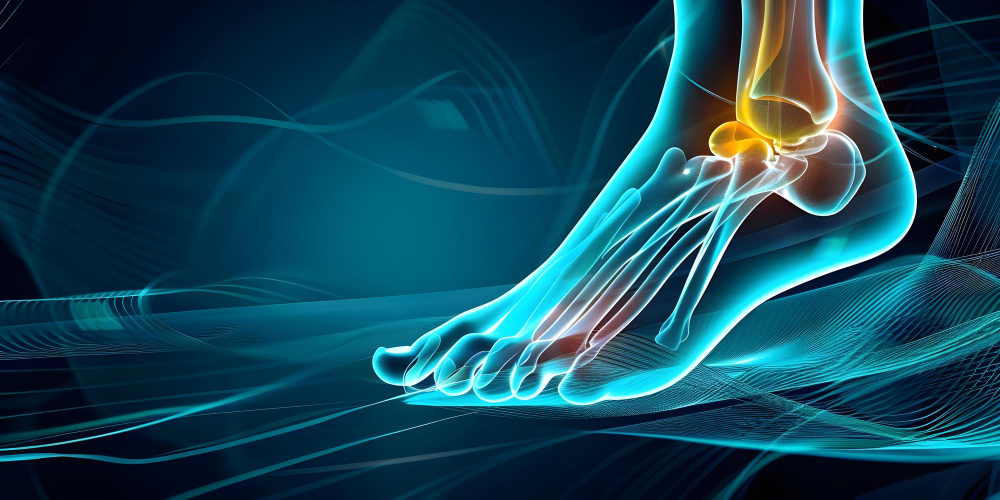
Metatarsalgia refers to pain and inflammation in the ball of the foot — specifically around the metatarsal heads, the five bones that connect your toes to the rest of your foot. The discomfort often feels like a sharp ache, a burning sensation, or the feeling of walking on a pebble.
High-impact activities like running, jumping, or prolonged standing increase the load on these bones significantly. Shoes that lack proper cushioning or structure transfer that force directly to the metatarsal heads, accelerating pain and inflammation. According to the American Orthopaedic Foot and Ankle Society, ill-fitting footwear is one of the most common contributors to forefoot pain conditions, including metatarsalgia.
A podiatrist will often assess your footwear as a first step because in many cases, the shoe is part of the problem.
How to Choose High-Impact Shoes for Metatarsalgia Pain
Getting the right shoe is not just about comfort. It is about distributing load away from the irritated area and supporting the foot’s natural mechanics during movement.
Prioritize Forefoot Cushioning
The most important quality in a high-impact shoe for metatarsalgia is cushioning under the ball of the foot. Look for shoes with extra padding in the forefoot zone, not just the heel. This cushioning absorbs ground impact before it reaches the metatarsal heads.
Choose a Rocker Bottom or Curved Sole
A rocker-bottom sole — slightly curved from heel to toe — allows the foot to roll through its natural gait without forcing the metatarsals to bear the full push-off load. Many podiatry-recommended athletic shoes feature this design.
Ensure a Wide Toe Box
Narrow toe boxes compress the forefoot and increase pressure across the metatarsal heads. A wide, rounded toe box allows the foot to spread naturally during impact, reducing concentrated load on any one point.
Features to Look for in High-Impact Shoes
When evaluating shoes at a store or online, check for the following:
- Metatarsal padding: Built-in or removable pads that sit just behind the ball of the foot redirect pressure away from the metatarsal heads.
- Firm, supportive midsole: A midsole that is too soft collapses under load. Look for structured foam or a dual-density design that maintains support during repetitive impact.
- Arch support: Proper arch support keeps the foot aligned and prevents excess stress from shifting to the forefoot.
- Low heel-to-toe drop: High heel-to-toe drop shoes shift weight forward onto the forefoot. A lower drop encourages more evenly distributed pressure.
- Removable insole: Shoes with removable insoles allow a podiatrist to fit custom orthotics, which can be especially helpful for structural contributors to metatarsalgia.
If you are unsure which features apply to your situation, a podiatrist can assess your gait, foot structure, and footwear to give you personalized guidance.
Take the Next Step Toward Pain-Free Movement
Choosing high-impact shoes for metatarsalgia pain is one of the most effective ways to manage symptoms and protect the forefoot during activity. The right shoe does not just reduce discomfort — it supports your ability to stay active without setbacks.
You do not have to figure this out alone. Our Podiatry team is here to help you find the right solution for your specific needs. If forefoot pain is affecting your movement or quality of life, reach out today by calling +1 718 367 2555 or visit us at 1797 Pitkin Avenue, New York, NY 11212 to book a visit and take the first step toward clearer, healthier nails.