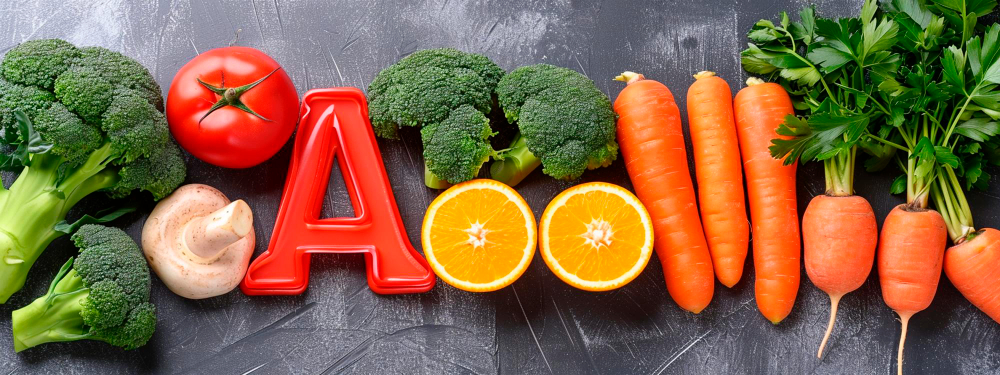
Vitamin A supports your vision, your immune system, and your skin. It is easy to assume that more of a good thing is better. But too much vitamin A can quietly harm your body over time.
This condition is called hypervitaminosis A. It happens when vitamin A builds up faster than your body can clear it. Because your liver stores this vitamin, it often takes the first hit.
The tricky part is that symptoms start small. Many people miss the early warning signs of vitamin A overdose and liver stress until the damage grows. Knowing what to watch for can protect your health before things get serious. In this post, you will learn the early signals, why your liver is involved, and when to seek expert help.
What Causes Hypervitaminosis A
Your body does not flush out extra vitamin A the way it does with water-soluble vitamins. Instead, it stores the surplus in your liver. Over time, that storage can become a problem.
Most cases come from a few common sources:
- High-dose supplements: Taking more than the recommended amount daily is the leading cause.
- Certain medications: Some acne and skin treatments contain high levels of retinoids.
- Concentrated animal sources: Foods like liver and fish liver oils carry very high amounts.
The condition can be acute from one large dose, or chronic from smaller doses taken over months. Chronic cases are the ones that sneak up on people.
Early Warning Signs of Vitamin A Overdose and Liver Stress
The first symptoms are easy to brush off. They often feel like everyday tiredness or minor skin trouble. That is exactly why they get overlooked.
Watch for these early signals:
- Fatigue: Feeling worn out even after rest can point to a struggling liver.
- Dry, peeling skin: Cracked lips and flaky patches are common early clues.
- Headaches: Frequent or unexplained headaches may appear.
- Nausea and poor appetite: Your stomach may feel off without a clear reason.
- Joint or bone pain: Aches that linger can signal buildup over time.
When the liver is under strain, other signs may follow. These include yellowing skin, swelling in the abdomen, and pain on the upper right side of your belly. These signs mean it is time to act.
You do not have to guess what your body is telling you. A nutritionist can review your supplements and diet to spot the cause.
How to Protect Your Liver and Recover
The good news is that many cases improve once the excess intake stops. Your liver has a strong ability to heal when given the chance.
Here are steps that support recovery:
- Review your intake: Add up vitamin A from every supplement and food source.
- Stop high-dose supplements: Do this with guidance from a professional.
- Choose whole foods: Plant sources of beta-carotene are much safer than concentrated forms.
- Get tested: Blood work can measure vitamin A levels and check liver function.
A qualified nutritional consultant in Brooklyn can build a plan that meets your needs without overloading your system. Working with an expert removes the guesswork and keeps your recovery on track.
Take the First Step Toward Healing
Vitamin A overdose rarely announces itself with a single dramatic symptom. It builds slowly, and your liver often carries the weight in silence. Catching the early warning signs of vitamin A overdose and liver stress gives you the chance to reverse the damage.
You do not have to sort this out alone. Reach out to our nutritional expert today by calling +1-718-367-2555 or visiting us at 1797 Pitkin Avenue, Brooklyn, NY 1121 to book your consultation. Our team can review your supplements, test your levels, and design a safe plan that protects your liver for years to come.