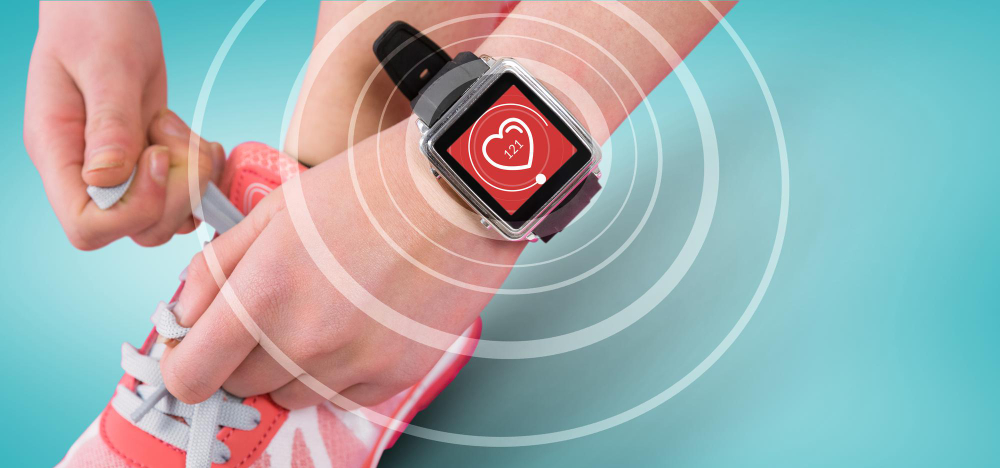
Your Apple Watch buzzes with an irregular heartbeat notification. Your stomach drops. That small alert can feel like a big warning.
Take a breath. An alert is a starting point, not a diagnosis. To confirm what your watch detected, cardiologists often turn to a Holter Monitor, a small device that records your heart’s activity over one or more days. Where your watch captures brief snapshots, a Holter Monitor watches continuously, giving your care team the full picture.
This guide walks you through what to do with that alert, how the data reaches your clinic, and how the right specialist turns raw numbers into a clear plan. You are not alone in sorting this out.
What Your Apple Watch Actually Detects
Your Apple Watch can flag two things worth taking seriously: an irregular rhythm that may point to atrial fibrillation, and a single-lead ECG you record yourself. These readings are helpful. They are also limited.
The watch samples your heart at moments, often when you are still. It may miss events that happen during sleep, exercise, or stress. That gap is exactly why your doctor may recommend longer monitoring.
If you have received repeated alerts, it helps to understand the warning signs your heart may be sending before your visit. Reviewing common symptoms of an irregular heartbeat can help you describe what you feel more clearly.
How a Holter Monitor Confirms the Full Story
A Holter Monitor is worn under your clothing and records every heartbeat, usually for 24 to 48 hours. Some newer patch versions run up to two weeks. It captures the moments your watch cannot.
Here is how the two work together:
- Your watch spots the trigger. A one-time alert gives your cardiologist a reason to look closer.
- The Holter Monitor gathers the evidence. Continuous recording reveals how often events happen and when.
- Your care team connects the dots. Specialists match your recorded symptoms to the exact rhythm on the tracing.
You do not need to travel far for this. Home-based monitoring means the device can be fitted and reviewed with support that fits your schedule, so daily life keeps moving.
Syncing Your Watch Data
Getting your Apple Watch data into your clinic is simpler than it sounds. A few steps make your appointment far more productive.
Before Your Visit
- Export your ECG. Open the Health app, tap the ECG recording, and save the PDF to share.
- Note your symptoms. Write down the date, time, and how you felt during each alert.
- List your medications. Bring a current list so nothing is overlooked.
During Your Visit
Your specialist reviews your watch data alongside the Holter Monitor results. This combined view helps the best cardiologist rule out false alarms and catch patterns a single reading would miss.
Finding the right partner matters here. Families searching for the best cardiologist in Brooklyn should look for a team that explains findings in plain language and coordinates care around your needs.
Turning Data Into a Care Plan You Understand
Numbers alone rarely bring comfort. What brings peace of mind is a clear explanation and a next step.
A trusted specialist reviews everything together, then walks you through what it means for you or your loved one. Whether it is a benign flutter or something needing treatment, you deserve answers you can act on. The best cardiologist in Brooklyn will make sure you leave with a plan, not just a printout.
Take the Next Step Toward Answers
A heart alert is worth listening to, but it should never leave you guessing. With continuous monitoring and a caring specialist, that anxiety turns into action.
Reach out today by calling us at +1-718-367-2555 or walking into our clinic at 1797 Pitkin Avenue, Brooklyn, NY 11212 to schedule your Holter Monitor evaluation with our Cardiology team, and let us help you understand your heart with confidence.