Digestive trouble can wear you down. The bloating, the cramping, the constant guessing about which foods set you off—it affects your days and your peace of mind. If you or a loved one struggles with a sensitive stomach, know this: you are not stuck with it.
A thoughtful dietary modification can make a real difference. The low-FODMAP approach limits certain hard-to-digest carbohydrates that trigger gut symptoms, and it works even better when you build meals around fresh, seasonal food. New York City’s Greenmarkets make that easy. With crisp produce picked days before it reaches your plate, you get flavor and gut-friendly nutrition in one trip.
Let’s walk through how to do it well.
Why This Dietary Modification Works
Bloating rarely comes from one culprit. It builds slowly, often tied to foods you eat every day without a second thought.
FODMAPs are fermentable carbs found in many common foods. For sensitive guts, they draw water into the intestine and ferment quickly, causing gas and discomfort. Removing high-FODMAP foods for a short window, then reintroducing them carefully, helps you find your personal triggers.
This is not about restriction forever. It is about learning what your body can handle. Working with a Registered Dietitian keeps the process safe and structured, so you avoid cutting out nutrients you actually need. For families managing digestive concerns alongside other health issues, our in-home nutrition support can bring that guidance right to your door.
Shopping the Greenmarket for Gut-Friendly Produce
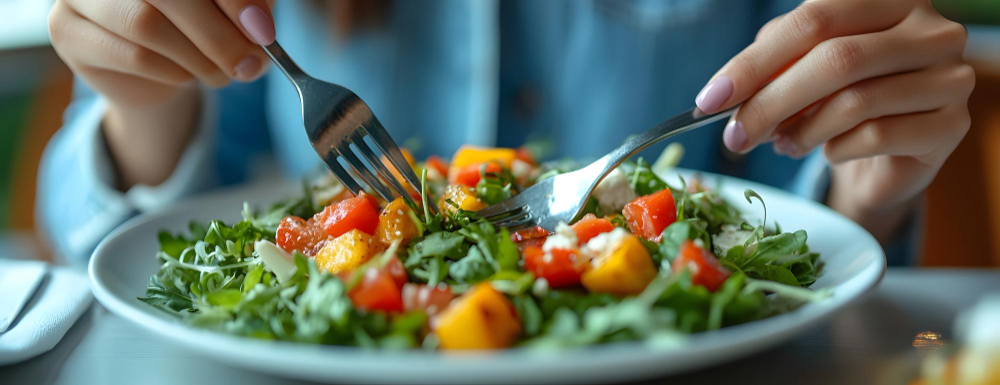
The good news: many Greenmarket favorites are naturally low in FODMAPs. You can fill your basket with color and still protect your stomach.
Low-FODMAP Picks to Grab
- Leafy greens: Spinach, kale, and lettuce are gentle and versatile. Toss them into salads or sauté them as a side.
- Carrots and bell peppers: Sweet, crunchy, and easy to digest. Great for snacking or roasting.
- Zucchini and cucumbers: Light and hydrating, they work in nearly any dish.
- Tomatoes and eggplant: Both add depth to sauces without triggering symptoms.
- Firm bananas and strawberries: A safe way to satisfy a sweet craving.
Foods to Limit at the Stand
- Garlic and onions: Common triggers, even in small amounts. Try garlic-infused oil for flavor instead.
- Apples, pears, and stone fruit: High in fructose, these often cause trouble.
- Cauliflower and mushrooms: Best kept off the plate during the elimination phase.
By choosing carefully, you can enjoy market-fresh meals without the fear of what comes after. Small swaps add up to steady relief.
Getting Support Close to Home
Changing how you eat is hard to do alone. Questions come up fast, and generic advice online rarely fits your situation.
Searching for a “Nutritionist near me Brooklyn, NY” often leaves families overwhelmed by options. A trusted Registered Dietitian can simplify things—reviewing your symptoms, planning your meals, and adjusting as you go. If you are comparing a “Nutritionist near me Brooklyn, NY” for an aging parent or a recovering family member, in-home care removes the stress of travel entirely.
For more everyday tips, our guide to eating well after surgery offers gentle, practical steps you can start today.
Your Next Step Toward Comfort
You deserve to eat without worry. A guided dietary modification, paired with fresh local produce, can bring lasting relief and a calmer gut.
Our compassionate care team is ready to help. Reach out today by calling +1-718-367-2555 or visiting us at 1797 Pitkin Avenue, Brooklyn, NY 1121, to connect with our personalized Nutrition services and get expert support wherever you feel most comfortable, right at home.