Plantar fascia release recovery typically takes 6 to 10 weeks for most patients, with a return to light activity around weeks 4 to 6. A podiatrist will monitor your healing at each stage and clear you for full activity when the tissue has properly repaired.
Recovery after plantar fascia release surgery raises a lot of questions. How long will you be off your feet? When can you walk normally again? What should you expect each week? These are concerns worth understanding before and after your procedure. Knowing the benchmark recovery timelines helps you plan your days, set realistic expectations, and avoid setbacks that can push healing further out.
What Is Plantar Fascia Release?
Plantar fascia release is a surgical procedure used to treat chronic plantar fasciitis that has not responded to conservative treatments. The plantar fascia is a thick band of tissue running along the bottom of the foot, connecting the heel bone to the toes. When this tissue becomes inflamed and remains painful despite rest, physical therapy, or injections, surgery may be recommended.
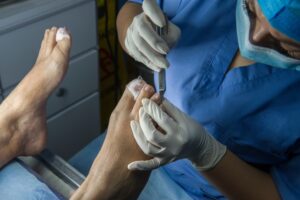
During the procedure, a podiatrist partially cuts the plantar fascia to relieve tension and reduce pain. It is typically performed as an outpatient procedure, meaning you go home the same day.
Plantar Fascia Release Benchmark Recovery Timelines
Recovery does not follow the same path for every patient, but there are clear phases most people move through. Understanding what each stage looks like helps you recognize normal progress and spot signs that something needs attention.
Week 1: Rest and wound care
The first week is about protecting the surgical site and managing swelling. Pain and discomfort are expected, and keeping weight off the foot is essential.
During this phase:
- Keep the foot elevated as much as possible
- Follow your podiatrist’s wound care and dressing instructions carefully
- Use crutches or a walking boot as directed
- Avoid placing full weight on the foot without support
Weeks 2–3: Gradual healing
By the second week, swelling begins to reduce and pain becomes more manageable. Most patients start transitioning from crutches to a walking boot, depending on how healing progresses.
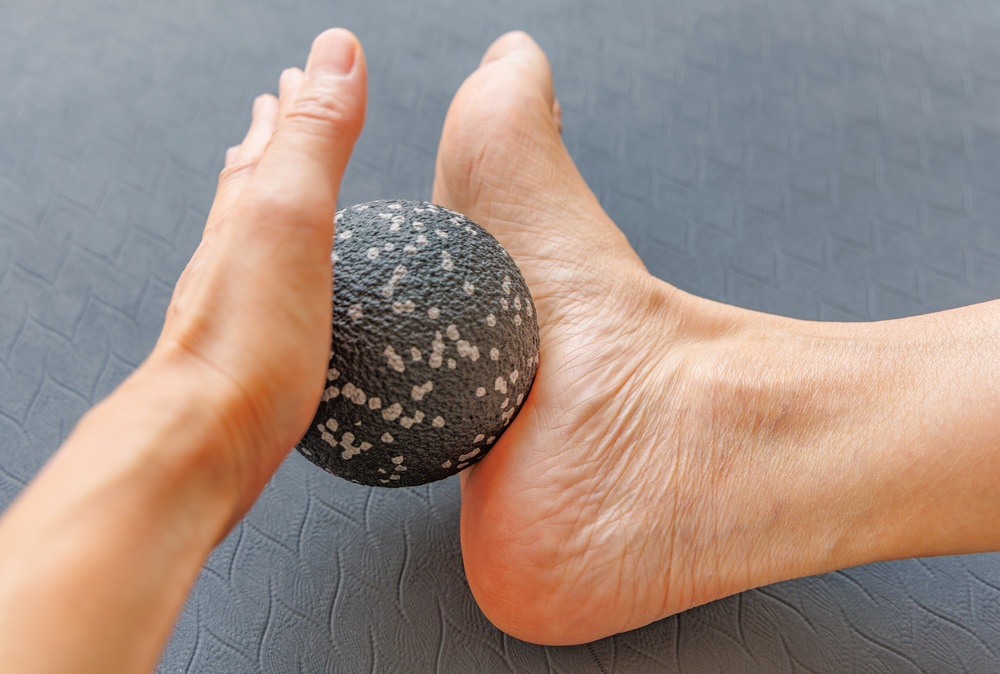
Physical therapy or gentle stretching exercises may be introduced during this period. Your podiatrist will assess the wound and guide the next steps.
Weeks 4–6: Return to light activity
This is the phase where many patients begin walking more comfortably and returning to daily routines. Light activity, including short walks, is often possible with your podiatrist’s approval.
Signs that healing is on track include:
- Reduced pain with walking
- No signs of infection or wound complications
- Improved flexibility in the foot
High-impact activity, such as running or prolonged standing, is still not recommended during this window.
When recovery takes longer
Some patients experience a longer recovery. Factors that can extend plantar fascia release benchmark recovery timelines include diabetes, obesity, poor circulation, or complications such as nerve damage or infection. If pain persists or worsens beyond the expected timeline, contact your podiatrist promptly.
How a Podiatrist Supports Your Recovery
A podiatrist guides your recovery from the day of surgery through full clearance for activity. Follow-up visits are not optional extras — they are where your care team confirms the wound is healing, adjusts your rehabilitation plan, and determines when it is safe to progress.
If you are looking for reliable support close to home, a podiatry clinic in Brooklyn can provide consistent, accessible care throughout your recovery. Having a local podiatry clinic in Brooklyn means you are not navigating this process alone. Your podiatrist is a steady presence at every stage, not just on surgery day.
Tips to Speed Up Healing After Surgery
Your daily habits have a direct impact on how well and how quickly you heal. These steps support recovery from the ground up:
- Follow wound care instructions: Skipping dressing changes or cleaning steps can introduce infection and delay healing significantly.
- Wear recommended footwear: Supportive, properly fitted shoes reduce strain on the healing tissue.
- Attend every follow-up appointment: Your podiatrist tracks progress you cannot see and adjusts your care accordingly.
- Manage your activity level: Returning to physical demands too soon is one of the most common reasons recovery stalls.
- Support healing through nutrition: A balanced diet with adequate protein supports tissue repair from the inside out.
Take the Next Step in Your Recovery
Recovering from plantar fascia release takes time, but the path forward is clear. By understanding the benchmark recovery timelines and working closely with your podiatrist, you give your foot the best chance at full, lasting healing.
You do not have to navigate this alone. Our podiatry team is here to guide you through every stage of recovery with expert, compassionate care. Reach out today by calling us at +1-718-367-2555 or walking into our clinic at 1797 Pitkin Avenue, Brooklyn, NY 11212 to schedule a consultation and take the first step toward pain-free movement.