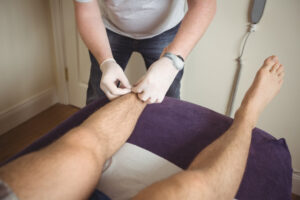
Most people can return to running 4 to 6 weeks after ingrown toenail surgery, depending on the procedure type and how well the toe heals. A podiatrist will guide your recovery and clear you for activity when the nail bed is fully healed.
Dealing with an ingrown toenail is painful enough on its own. But once a podiatrist recommends surgery, a new concern often surfaces: how long until you can get back to running? Recovery after ingrown toenail surgery is more straightforward than most people expect, and with the right care, you can return to activity sooner than you might think.
What Happens During Ingrown Toenail Surgery?
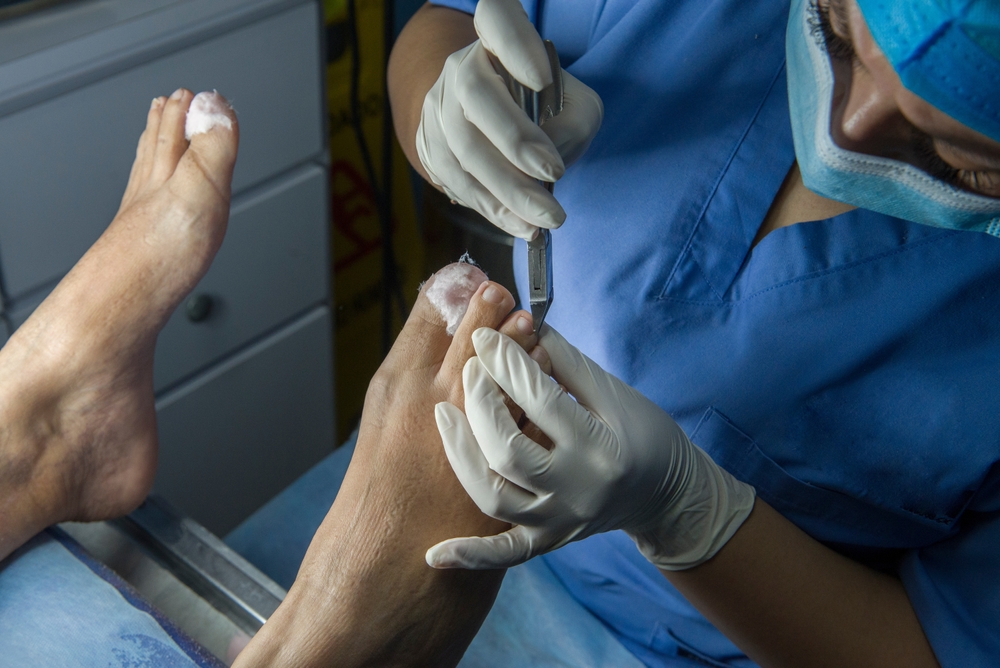
Ingrown toenail surgery is a minor outpatient procedure. A podiatrist numbs the toe with a local anesthetic, then removes part or all of the affected nail. In some cases, a chemical called phenol is applied to prevent the nail from growing back into the skin. The procedure typically takes less than 30 minutes.
There are two main types:
- Partial nail avulsion: Only the ingrown edge of the nail is removed. This is the most common approach.
- Total nail avulsion: The entire nail is removed. Reserved for more severe or recurring cases.
Both procedures are performed under local anesthesia. You will be awake but will not feel pain during the surgery itself.
Recovery Timeline After Ingrown Toenail Surgery Until You Can Run
Recovery moves through several clear stages. Knowing what to expect at each point helps you plan your return to running without setbacks.
Week 1: Rest and wound care
The first week focuses on keeping the toe clean, dry, and protected. Expect some soreness, swelling, and light drainage from the wound site. Your podiatrist will provide specific dressing instructions, and it is important to follow them closely.
During this time:
- Keep the foot elevated as much as possible
- Avoid soaking the foot unless directed
- Wear open-toe shoes or loose footwear
- Avoid any high-impact activity, including walking long distances
Weeks 2 to 3: Gradual healing
By the second week, most patients notice a significant reduction in pain and swelling. The wound continues to close, and normal daily walking becomes more comfortable.
Running is still off the table at this stage. The nail bed remains vulnerable, and impact from running could reopen the wound or slow healing.
Weeks 4 to 6: Return to running
This is when most patients get the green light to run, provided healing has progressed well. Your podiatrist will assess the toe at a follow-up visit before clearing you for high-impact activity.
Signs you may be ready to return to running include:
- No open wound or drainage
- Minimal to no tenderness at the nail bed
- Comfortable walking without pain
- Clearance from your podiatrist
Start with short, easy runs and monitor how your toe responds. If pain or swelling returns, ease back and check in with your care team.
When recovery takes longer
Some factors can extend the recovery timeline. These include infection, diabetes, poor circulation, or a total nail avulsion procedure. If you experience increased redness, warmth, or discharge beyond the first week, contact your podiatrist promptly.
How a Podiatrist Supports Your Recovery
A podiatrist does more than perform the procedure. Your podiatrist monitors healing at follow-up visits, adjusts wound care instructions as needed, and determines when it is safe for you to return to physical activity. Skipping follow-up appointments can delay your recovery or lead to complications that set you back further.
If you are based in Brooklyn, visiting a podiatry clinic in Brooklyn with experience in nail procedures means you have local, accessible support throughout your recovery, not just on surgery day.
Tips to Speed Up Healing After Surgery
Your daily habits play a real role in how quickly you heal. A few consistent steps make a meaningful difference:
- Keep the wound clean: Follow your podiatrist’s dressing routine without skipping days.
- Wear proper footwear: Tight shoes put pressure on the healing nail bed and slow recovery.
- Stay off it when you can: Especially in the first week, rest supports faster tissue repair.
- Watch for infection: Early signs include increased pain, swelling, or unusual discharge.
- Eat well and stay hydrated: Nutrition supports tissue healing from the inside out.
Getting Back to Running Safely
Recovery from ingrown toenail surgery is manageable, and returning to running is a realistic goal for most patients within four to six weeks. The key is following your podiatrist’s guidance at every stage, not rushing the process, and listening to your body as you ease back into activity.
If you are searching for compassionate, experienced foot care, our podiatry clinic in Brooklyn is here to support you from pre-surgery questions through to your first run back. Reach out to our podiatry team by calling us at +1-718-367-2555 or walking into our clinic at 1797 Pitkin Avenue, Brooklyn, NY 11212 to schedule a consultation and take the first step toward pain-free movement.