Fluid retention warning signs for congestive heart failure include sudden weight gain, swelling in the legs or abdomen, shortness of breath, and persistent coughing. These symptoms happen when a weakened heart cannot pump blood efficiently, causing fluid to build up in the body. Recognizing these signs early and contacting a cardiologist can prevent hospitalization and improve long-term outcomes.
Watching a loved one struggle to catch their breath or noticing their ankles swelling more than usual can be frightening. You may not know if it is something minor or a sign that something more serious is happening with their heart. This uncertainty is common among families managing congestive heart failure, and understanding the warning signs can help you respond with confidence instead of fear.
Congestive heart failure affects millions of people, and fluid retention is one of its most telling symptoms. Knowing what to watch for and when to reach out to a cardiologist can make a real difference in your loved one’s comfort and safety. This guide walks through the key signs, when medical attention is needed, and how ongoing care, including support from a cardiology clinic in Brooklyn, can help manage symptoms at home.
What Is Congestive Heart Failure and How Does It Cause Fluid Retention?
Congestive heart failure occurs when the heart cannot pump blood as effectively as it should. When this happens, blood can back up in the veins, and fluid begins to leak into surrounding tissues.
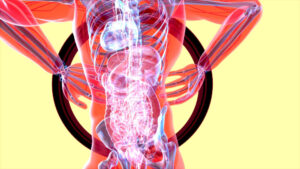
This fluid buildup, known as edema, often shows up first in the legs, ankles, and feet. In more advanced cases, fluid can also collect in the lungs or abdomen, making everyday activities like walking or lying down uncomfortable.
What Are the Fluid Retention Warning Signs for Congestive Heart Failure?
Fluid retention warning signs for congestive heart failure can develop gradually or appear suddenly. Either way, they deserve attention.
- Sudden weight gain: Gaining two or more pounds in a day, or five pounds in a week, often signals fluid buildup rather than diet changes.
- Swelling: Puffiness in the legs, ankles, feet, or abdomen is one of the most visible signs.
- Shortness of breath: Difficulty breathing, especially when lying flat, can mean fluid is collecting in the lungs.
- Persistent coughing or wheezing: A cough that produces white or pink mucus should never be ignored.
- Fatigue and weakness: Extra fluid puts strain on the body, leaving your loved one feeling unusually tired.
- Reduced appetite or nausea: Fluid buildup around the digestive organs can make eating uncomfortable.
If you notice several of these signs together, it is time to speak with a cardiologist rather than wait to see if symptoms improve on their own.
Why Do These Symptoms Matter So Much?
Left unaddressed, fluid retention can quickly escalate, leading to hospitalization or worsening heart function. Catching these signs early gives your loved one’s care team more options and a better chance at keeping symptoms under control.
When Should You See a Cardiologist?
Not every instance of swelling means an emergency, but some situations call for prompt attention. Contact a cardiologist if your loved one experiences:
- Rapid weight gain over one to two days.
- New or worsening shortness of breath.
- Swelling that does not improve with rest or elevation.
- Chest pain, confusion, or fainting, which require immediate emergency care.
Regular checkups with a cardiologist also help track changes over time, so adjustments to medication or care plans can happen before symptoms become severe.
How Can You Manage Symptoms at Home or Through a Cardiology Clinic in Brooklyn?
Managing congestive heart failure is rarely something families handle alone, and it does not have to be. Many patients benefit from a combination of home monitoring and support from a cardiology clinic in Brooklyn.
- Daily weight checks: Weighing your loved one each morning helps catch fluid changes early.
- Low-sodium diet: Reducing salt intake helps limit fluid buildup.
- Medication adherence: Diuretics and other prescribed medications work best when taken consistently.
- Activity monitoring: Gentle movement, as approved by a cardiologist, supports circulation without overexertion.
- Routine visits: A cardiology clinic in Brooklyn can provide ongoing monitoring, adjusting care plans as your loved one’s needs change.
You Are Not in This Alone
Caring for a loved one with congestive heart failure comes with real worry, and you deserve support that meets you where you are. Our cardiology team works alongside families to monitor symptoms and provide steady, compassionate care in the comfort of home. Reach out to us today by calling +1-718-367-2555 or visiting us at 1797 Pitkin Avenue, Brooklyn, NY 1121 to schedule a visit and take the next step toward peace of mind.