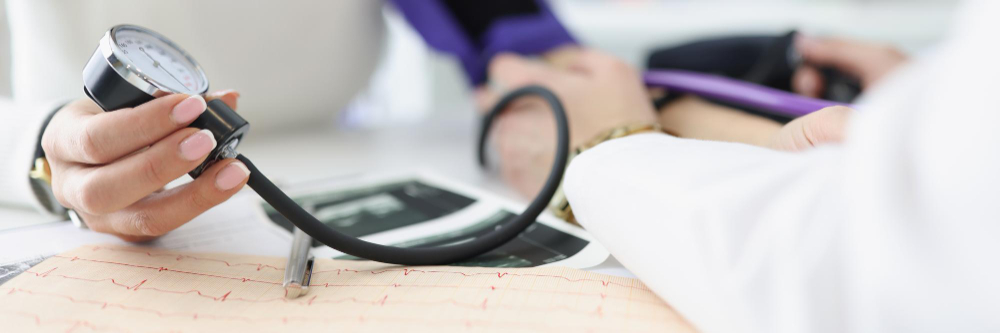
Hypertension has four stages: normal, elevated, stage 1, and stage 2. Stage 1 hypertension means a reading between 130-139/80-89 mmHg, while stage 2 means 140/90 mmHg or higher, according to the American Heart Association (2017). A reading above 180/120 mmHg is a hypertensive crisis requiring immediate medical attention. Understanding your stage helps you and your care team choose the right treatment plan.
Seeing an unfamiliar number on your blood pressure monitor can be unsettling. You may wonder what it means, whether it is dangerous, and what to do next. You are not alone in feeling this way, and understanding the hypertension stages can turn that uncertainty into a clear plan of action.
High blood pressure, or hypertension, is measured in two numbers: systolic (the pressure when your heart beats) over diastolic (the pressure when your heart rests). Knowing where your numbers fall on the hypertension stages chart is the first step toward protecting your heart and your peace of mind.
What Are the Four Stages of High Blood Pressure?
The American Heart Association (AHA) breaks blood pressure readings into four categories:
- Normal: Below 120/80 mmHg. Your heart is working efficiently, and no action is needed beyond maintaining healthy habits.
- Elevated: 120-129 systolic and below 80 diastolic. This is a signal to make lifestyle changes before hypertension develops.
- Stage 1 Hypertension: 130-139 systolic or 80-89 diastolic. Your doctor may recommend lifestyle changes and, in some cases, medication.
- Stage 2 Hypertension: 140/90 mmHg or higher. Medication is typically recommended alongside lifestyle adjustments.
A reading above 180/120 mmHg is considered a hypertensive crisis. This requires emergency care, especially if you also experience chest pain, shortness of breath, or vision changes (American Heart Association, 2017).
Why Do These Numbers Matter So Much?
Every stage represents a different level of strain on your heart and blood vessels. Left unmanaged, hypertension can lead to serious complications, including heart disease, stroke, and kidney damage. Catching elevated numbers early, before they progress to stage 1 or stage 2, gives you more options and better long-term outcomes.
How Is Hypertension Diagnosed at Home?
Many families worry that a single high reading means a hypertension diagnosis. That is rarely the case. Doctors typically look at multiple readings taken over time and in different settings to get an accurate picture.
- Consistency matters: A doctor will often ask for readings taken at the same time each day.
- Environment matters: Stress, recent activity, or even a full bladder can temporarily raise your numbers.
- Trends matter more than single readings: One elevated number is a data point, not a diagnosis.
This is where in-home monitoring becomes so valuable. A trained care provider visiting you or your loved one can track blood pressure consistently, in the comfort of home, and flag patterns your doctor needs to see.
What Should You Do If Your Numbers Are High?
If your reading falls into stage 1 or stage 2, your care team may recommend:
- Reducing sodium intake and following a heart-healthy eating plan.
- Increasing physical activity, as approved by your doctor.
- Taking prescribed medication consistently and on schedule.
- Monitoring your blood pressure regularly to track progress.
If you or a loved one experiences a reading above 180/120 mmHg along with symptoms like chest pain or confusion, call 911 immediately. This is a medical emergency, not something to manage at home.
You Do Not Have to Manage This Alone
Understanding your hypertension stage is only the beginning. Managing it well means having support you can rely on, whether that is help remembering medications, someone to check your blood pressure accurately, or simply a familiar face who understands your health history.
Our cardiology team is here to provide that steady, compassionate support. From routine monitoring to medication management, our team works with you and your family to keep your heart health on track, right where you feel most comfortable. Reach out to us today by calling +1-718-367-2555 or visiting us at 1797 Pitkin Avenue, Brooklyn, NY 1121 to schedule an in-home visit and take the next step with confidence.